






Rocky Mountain Parnassian
parnassius smintheus
The Rocky Mountain Parnassian is a beautiful butterfly with stunning white wings and black spots! It flutters around mountain meadows, bringing joy to everyone who sees it.
Hábitat: Mountain meadows and alpine regions in the Rocky Mountains.
The Rocky Mountain Parnassian has creamy-white wings with distinctive black markings and bright red or orange eye-spots on its hindwings. Its wings are somewhat translucent, allowing light to pass through, which makes it visually distinct from most other butterflies. They typically lack tails.
Categoría
InsectosRareza
Common
Peligro
0/5 · Sin peligro conocido
Snaps
¡Sé la primera persona en hacer un snap!
Adult Rocky Mountain Parnassians lay their eggs on stony ground near host plants, not directly on the leaves.
Despite their seemingly slow, fluttery flight, their wing shapes make them incredibly stable flyers in windy conditions.
Their fuzzy caterpillars are dark and look almost like tiny walking woolly bears found in mountain habitats.
These butterflies are often called "ghost butterflies" due to their translucent, almost see-through wings!
Rocky Mountain Parnassian caterpillars can absorb toxins from their host plants, making them unappetizing to most predators.
Females develop a unique hardened mating plug, called a sphragis, after mating that prevents re-mating.
Rocky Mountain Parnassians have dark bodies that help them absorb sunlight, allowing them to warm up and fly in chilly mountain air.
Adults drink flower nectar; caterpillars munch on stonecrop leaves.
Diferencias por edad: Caterpillars eat plant leaves, while adults feed on liquid nectar from flowers.

Sedum lanceolatum
Its caterpillars exclusively feed on the leaves of this mountain plant.
Solidago multiradiata
Adult butterflies visit its flowers for sweet nectar, helping pollination.

Castilleja miniata
They aid in pollinating these vibrant red alpine wildflowers for seed production.
Los animales solitarios viven solos durante la mayor parte de su vida y solo interactúan con otros para aparearse o cuidar de sus crías.
El camuflaje describe a los organismos que poseen colores o patrones que les permiten mezclarse con su entorno.
Colorido describe a organismos u objetos que exhiben una amplia variedad de colores brillantes y distintivos.
Los animales diurnos están activos principalmente durante el día y suelen descansar o dormir por la noche.

Describe organismos que transfieren polen, permitiendo la fertilización y reproducción de las plantas.
Peligro
0/5 · Sin peligro conocido
Todavía no hay notas especiales de seguridad.
45-60 mm
25-35 mm
10-30 días
Adults drink flower nectar; caterpillars munch on stonecrop leaves.
Mountain meadows and alpine regions in the Rocky Mountains.
Foraging
6
Acércate para separar los grupos y explorar dónde se ha fotografiado este objeto.
Los snaps recientes aparecerán aquí a medida que se añadan nuevas observaciones.
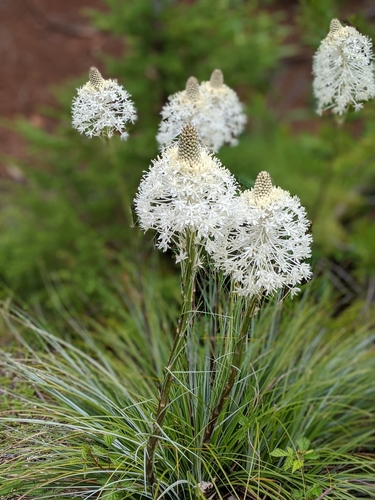
British Columbia, CA
Puedes ver Common Beargrass, Subalpine Larch y Mountain Bog Gentian.
Ver guía →

British Columbia, CA
Puedes ver Subalpine Larch, Arrowleaf Senecio y Moss Campion.
Ver guía →













