Rose Spirea
Spiraea douglasii
The Rose Spirea is a lovely shrub that blooms with pink flowers in the summer. It grows in many places and is great for attracting butterflies and bees!
Hábitat: Wetlands
The Rose Spirea has dense clusters of small, fuzzy, rose-pink to purple flowers that form cone-shaped towers at the ends of its woody stems. Its oval, serrated leaves are a vibrant green, often turning yellow or orange in autumn. The striking flower clusters make it visually distinct from many other green shrubs.
Categoría
PlantasRareza
Common
Peligro
1/5 · Muy bajo
Snaps
¡Sé la primera persona en hacer un snap!
Its roots are like super glue, holding riverbanks together to prevent floods!
Its tiny flowers grow in fuzzy, pyramid-shaped clusters, making the plant look like it's covered in pink clouds!
Some people used its strong, flexible branches to make baskets long ago!
This tough plant can grow new plants from its branches if they touch soil, helping it spread quickly!
Rose Spirea has a strong, spreading root system that helps it hold soil firmly, preventing erosion along waterways.
Rose Spirea can produce abundant, nectar-rich flowers that attract many different bees and butterflies to help it reproduce.
Rose Spirea has special adaptations allowing it to thrive in damp, soggy soils where many other plants would struggle.
Bombus bifarius
Collects nectar and pollen.
Odocoileus hemionus
Browses on leaves and twigs.
Euphydryas chalcedona
Larvae feed on its leaves.
Apis mellifera
Gathers nectar and pollen.
Las plantas caducifolias pierden periódicamente todas sus hojas, por lo general durante el otoño o las estaciones secas.
Las plantas con flores son cualquier planta que produce flores como parte de su ciclo reproductivo.
Un arbusto es una planta leñosa más pequeña que un árbol, típicamente con múltiples tallos que se ramifican desde o cerca del suelo.
Las plantas de floración de verano producen sus flores durante la temporada estival, a menudo aportando un color vibrante cuando muchas otras plantas ya han terminado de florecer.

Las flores fragantes emiten un aroma agradable, a menudo para atraer polinizadores o como defensa.

Los colores otoñales se refieren al cambio estacional en la pigmentación del follaje, principalmente en plantas de hoja caduca, mostrando tonos vibrantes.

Describe plantas que son particularmente atractivas y beneficiosas para una amplia variedad de organismos polinizadores.

Este rasgo de hábitat identifica especies que se encuentran en humedales, que son áreas de tierra saturadas de agua, ya sea permanente o estacionalmente, e incluyen marismas, pantanos y ciénagas.
Todavía no hay alias listados.
Peligro
1/5 · Muy bajo
Always stay on paths when exploring plants, and don't touch without asking an adult.
120-180 cm
120-180 cm
0.5-1 cm
Verano
No
Ninguna
Perenne
Insectos
Acércate para separar los grupos y explorar dónde se ha fotografiado este objeto.
Los snaps recientes aparecerán aquí a medida que se añadan nuevas observaciones.
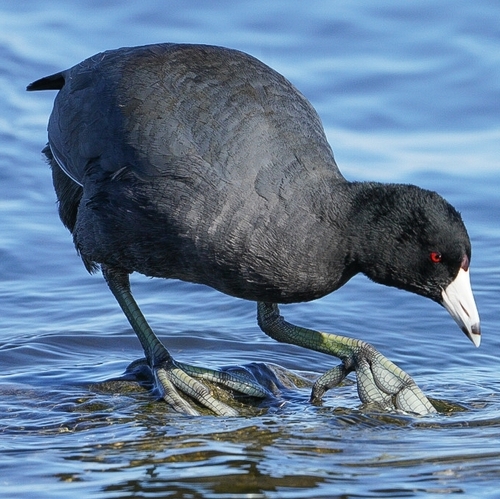
British Columbia, CA
Puedes ver American Coot, Pato y Barnacla Canadiense.
Ver guía →

British Columbia, CA
Puedes ver águila Calva, Ghost Pipe y Salmonberry.
Ver guía →

Washington, US
Puedes ver Western Yellow Pond-Lily, Rose Spirea y Fireweed.
Ver guía →
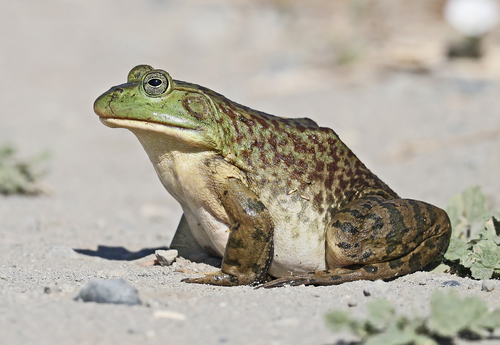
British Columbia, CA
Puedes ver Rana Toro Americana, Salal y Culebra De Liga.
Ver guía →
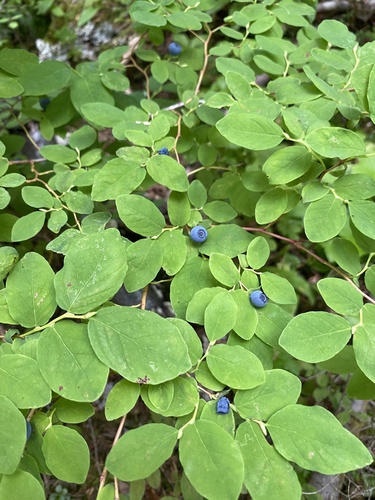
British Columbia, CA
Puedes ver Oval-Leaf Blueberry, Columbia Lily y Green False Hellebore.
Ver guía →