rough cocklebur
Xanthium strumarium
The rough cocklebur is a plant with big, spiky seed pods. It grows in sunny places and can be found in fields and along roadsides. Its unique look makes it easy to spot!
Hábitat: Fields and roadsides
The rough cocklebur is a sturdy plant with thick, reddish-green stems and broad, heart-shaped leaves that feel rough to the touch. Its most striking feature is the numerous oval-shaped burrs, covered in stiff, hooked spines, which mature from green to brown.
Categoría
PlantasRareza
Common
Peligro
2/5 · Bajo
Snaps
¡Sé la primera persona en hacer un snap!
It is one of the top causes of hay fever due to its abundant wind-blown pollen!
Its buried seeds can survive for over 10 years, just waiting for a chance to grow!
The cocklebur's amazing hooked burrs inspired the invention of super-sticky Velcro!
This plant is often one of the first to grow in disturbed soil, like a pioneer!
Rough cocklebur has tough, spiky burrs that cling to fur or clothes, helping its seeds travel far and wide to new growing spots.
Rough cocklebur can grow in poor soils and disturbed areas, quickly establishing itself where other plants struggle.
The rough cocklebur produces toxic compounds, especially in its young plants, to deter hungry animals from eating it.

Bos taurus
Young seedlings are highly toxic to grazing livestock.
Odocoileus virginianus
Deer help spread seeds by carrying burrs on their fur.
Phytomyza xanthii
Its larvae feed by tunneling inside the leaves of the plant.
Las plantas con flores son cualquier planta que produce flores como parte de su ciclo reproductivo.
Las plantas comestibles son aquellas partes de una planta que se consideran seguras para el consumo humano.
Las plantas de crecimiento rápido exhiben tasas de crecimiento aceleradas, aumentando rápidamente de tamaño y biomasa en un corto período de tiempo.
Describe plantas que son particularmente atractivas y beneficiosas para una amplia variedad de organismos polinizadores.

Los hábitats de pastizales son biomas terrestres dominados por pastos y plantas herbáceas, que sustentan a una variedad de animales de pastoreo.

Posee proyecciones puntiagudas y afiladas o espinas en el cuerpo o en la superficie.

Las especies invasoras son organismos no nativos que causan daños al medio ambiente, la economía o la salud humana.
Todavía no hay alias listados.
Peligro
2/5 · Bajo
Be careful not to touch the spiky seed pods, as they can be sharp.
30-150 cm
30-90 cm
0.5-1 cm
Late summer to fall
No
Alta
Anual
Viento
Acércate para separar los grupos y explorar dónde se ha fotografiado este objeto.
Los snaps recientes aparecerán aquí a medida que se añadan nuevas observaciones.

New York, US
Puedes ver Gaviota De Delaware, Barnacla Canadiense y Rough Cocklebur.
Ver guía →

Illinois, US
Puedes ver Barnacla Canadiense, Gaviota De Delaware y Tordo Sargento.
Ver guía →
Michigan, US
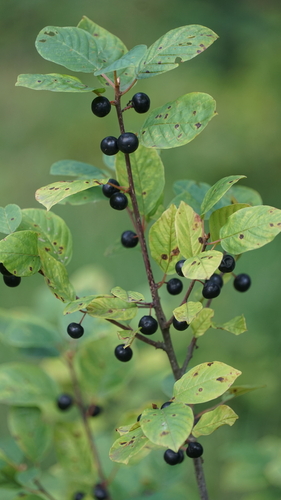
Puedes ver Alder Buckthorn, Bulblet Fern y Western Poison Ivy.
Ver guía →