%2C_jard%C3%ADn_bot%C3%A1nico_alpino-%C3%A1rtico%2C_Troms%C3%B8%2C_Noruega%2C_2019-09-04%2C_DD_81.jpg&width=800)





rough horsetail
Equisetum hyemale
Rough horsetail is a tall, green plant that looks like a bunch of thin tubes. It grows in wet places and is very old, dating back millions of years!
Hábitat: Wetlands
The rough horsetail has rigid, dark green, hollow stems with distinct black bands at each joint. Its unique segmented appearance and rough, sandpaper-like texture make it easily identifiable, lacking true leaves or showy flowers.
Categoría
PlantasRareza
Common
Peligro
1/5 · Muy bajo
Snaps
¡Sé la primera persona en hacer un snap!
Its stems feel like sandpaper because they are packed with tiny glass-like crystals!
People once used these plants like scrubbing brushes to clean pots and pans!
Rough horsetail is an ancient plant, alive when dinosaurs roamed the Earth!
Water can easily flow through its hollow stems, helping it survive in damp places.
Rough horsetail has a special coating of silica in its stems that makes it tough and helps defend against hungry nibblers.
This plant has deep underground stems called rhizomes that help it spread widely and survive harsh conditions.
Instead of seeds, rough horsetail releases tiny spores that float on the wind to grow new plants far away.
Odocoileus virginianus
Browses stems, especially new shoots.
Hyalopteroides humilis
Feeds on sap from its stems.
Puccinia equiseti
Grows on its stems, causing rust-like spots.
Este rasgo caracteriza a las plantas que carecen de tejidos vasculares especializados (xilema y floema) para transportar agua y nutrientes.
Las plantas similares a la hierba son plantas herbáceas que se asemejan visualmente a las verdaderas hierbas, típicamente con hojas largas y estrechas.
Describe a los organismos que descomponen la materia orgánica muerta, reciclando los nutrientes de vuelta al ecosistema.
Este rasgo de hábitat identifica especies que se encuentran en humedales, que son áreas de tierra saturadas de agua, ya sea permanente o estacionalmente, e incluyen marismas, pantanos y ciénagas.

Este rasgo indica que los organismos pertenecen a un grupo evolutivo muy antiguo con antepasados que se remontan a millones de años.

Este rasgo caracteriza a los organismos con una esperanza de vida excepcionalmente larga en comparación con otros de su especie.
Todavía no hay alias listados.
Peligro
1/5 · Muy bajo
Always look but don't touch wild plants unless you have an adult with you.
30-150 cm
30-100 cm
No
Leve
Perenne
Viento
Wetlands
Acércate para separar los grupos y explorar dónde se ha fotografiado este objeto.
Los snaps recientes aparecerán aquí a medida que se añadan nuevas observaciones.

Illinois, US
Puedes ver White Mulberry, Pinzón Mexicano y Scissor Grinder.
Ver guía →

Virginia, US
Puedes ver Kiwi Bubbles, Common Pawpaw y Eastern Skunk Cabbage.
Ver guía →
Texas, US
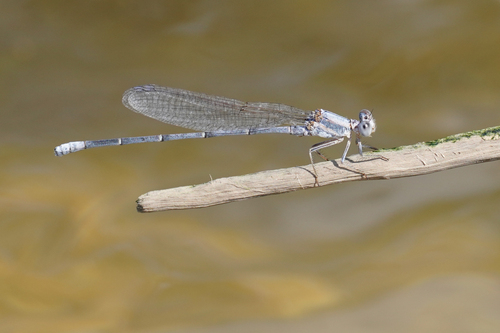
Puedes ver Powdered Dancer y Glassy-Winged Sharpshooter.
Ver guía →

Tennessee, US
Puedes ver Red Buckeye, Prairie Trillium y Largeflower Bellwort.
Ver guía →

Louisiana, US
Puedes ver Sharp-Lobed Hepatica y Purple-Flowered Raspberry.
Ver guía →

British Columbia, CA
Puedes ver Abeto De Douglas, Silverleaf Phacelia y Rocky Mountain Maple.
Ver guía →