
.jpg&width=800)





Ruddy Turnstone
Arenaria interpres
The Ruddy Turnstone is a small bird that loves to explore beaches and rocky shores. It has a beautiful mix of brown, white, and black feathers and is known for turning over stones to find tasty snacks!
Hábitat: Coastal areas
The Ruddy Turnstone is a sturdy shorebird with short orange legs and a distinctive wedge-shaped bill. It has a striking reddish-brown and black mottled back, contrasting with a white belly and chest, marked by a black band. Its bold, harlequin-like facial pattern makes it easily recognizable among other coastal birds.
Categoría
AvesRareza
Common
Peligro
1/5 · Muy bajo
Snaps
¡Sé la primera persona en hacer un snap!
Ruddy Turnstones often nest in a shallow scrape on the ground in the Arctic tundra.
Some Ruddy Turnstones fly from the Arctic to New Zealand – an incredible journey!
Their scientific name, *Arenaria*, means 'sand-dweller', perfect for their beach home.
They are one of the most widespread shorebirds, found on almost every continent.
Ruddy Turnstones can use their strong, short bills to flip over stones and shells because this helps them find hidden food underneath.
Ruddy Turnstones have an incredible sense of direction that helps them migrate thousands of kilometers from the Arctic to warm coasts.
Ruddy Turnstones have mottled reddish-brown and black plumage that helps them blend perfectly with rocky shorelines and tundra.
These clever birds love to feast on a variety of small critters found hiding in sand and under rocks!
Vulpes lagopus
Arctic Fox preys on Ruddy Turnstone eggs and chicks in nesting areas.
Stercorarius parasiticus
Jaegers are aerial predators that hunt adult Ruddy Turnstones and their young.
Carcinus maenas
Ruddy Turnstones forage for and consume small Green Crabs in coastal areas.
Arenicola marina
Turnstones pull Lugworms from the sand and mudflats as a food source.
Describe a los animales, principalmente aves, que poseen una cubierta de plumas.
Los animales sociales viven en grupos organizados, cooperando para obtener beneficios de supervivencia como la búsqueda de alimento, la defensa y la cría de descendencia.
Este rasgo identifica a los organismos cuya dieta consiste principalmente en insectos y otros pequeños invertebrados.
Los hábitats costeros son entornos dinámicos situados a lo largo de la interfaz entre la tierra y el mar, influenciados por las mareas, las olas y el agua salada.

Este rasgo identifica a los organismos cuya dieta consiste total o principalmente en tejido animal.

Este rasgo identifica a los organismos que exhiben una rapidez excepcional en sus movimientos para cazar, escapar o desplazarse.

Los animales migratorios emprenden movimientos estacionales de una región a otra, típicamente en respuesta a cambios en el clima o la disponibilidad de alimentos.
Todavía no hay alias listados.
Peligro
1/5 · Muy bajo
Always watch birds from a distance and don't try to touch them.
21-26 cm
50-57 cm
0.085-0.17 kg
10-19 años
70 km/h
These clever birds love to feast on a variety of small critters found hiding in sand and under rocks!
Coastal areas
Foraging
Acércate para separar los grupos y explorar dónde se ha fotografiado este objeto.
Los snaps recientes aparecerán aquí a medida que se añadan nuevas observaciones.
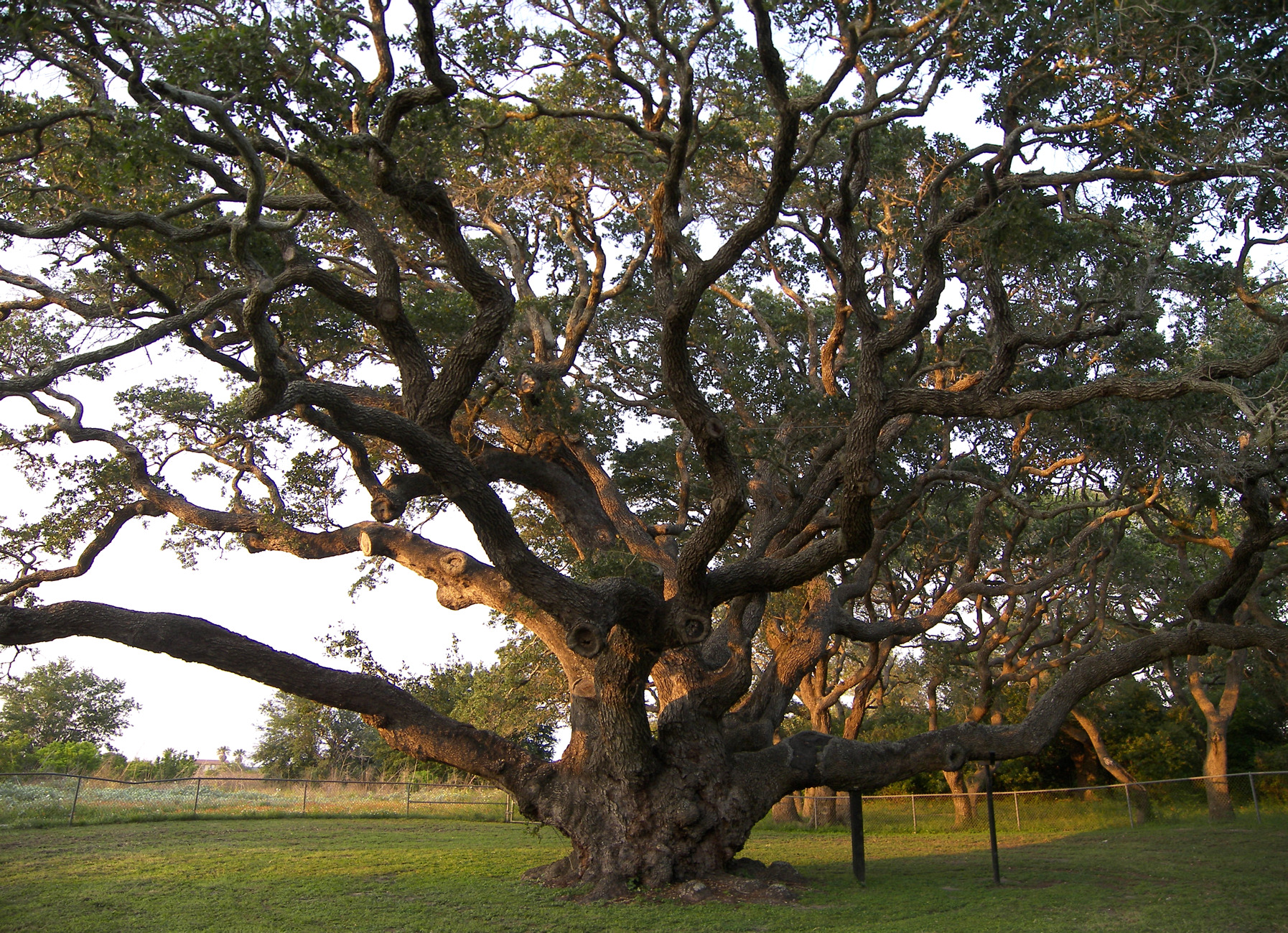
Texas, US
Puedes ver Pelícano Pardo, Ciervo De Cola Blanca y Laughing Gull.
Ver guía →

Florida, US
Puedes ver False Rosemary, Florida Rosemary y Sanderling.
Ver guía →

Florida, US
Puedes ver Willet, Lightning Whelk y Ruddy Turnstone.
Ver guía →
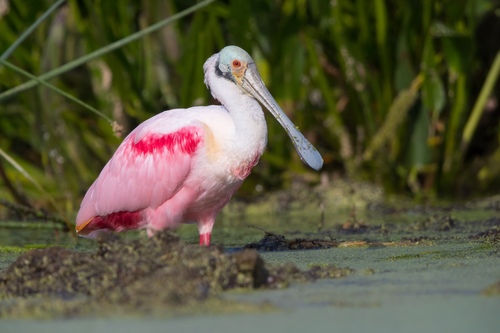
Florida, US
Puedes ver Roseate Spoonbill, Tricolored Heron y Great Egret.
Ver guía →










.jpg&width=800)



