

Rudiloria Trimaculata
rudiloria trimaculata
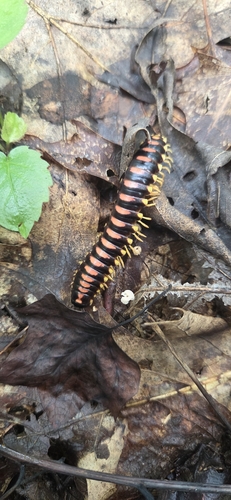
Rudiloria trimaculata es un milpiés llamativo perteneciente a la familia Xystodesmidae, ampliamente apreciado por su vívida coloración de advertencia y su aspecto de espalda plana. Nativo de los bosques húmedos y caducifolios del este de Norteamérica, este fascinante artrópodo es un gigante gentil de la hojarasca. Como parte vital del ecosistema forestal, trabaja incansablemente como detritívoro, descomponiendo la materia vegetal en descomposición y reciclando nutrientes de vuelta al suelo. Lo que hace que R. trimaculata sea realmente notable es su mecanismo de defensa química; cuando se siente amenazado, puede secretar un fluido que contiene cianuro de hidrógeno, emitiendo un olor similar a las almendras amargas para disuadir a los depredadores.
Hábitat: Se encuentra en la hojarasca húmeda y sombreada y en troncos en descomposición de bosques caducifolios maduros en el este de Norteamérica.
Este milpiés presenta una forma corporal distintivamente de espalda plana (polidesmido), con extensiones laterales llamadas paranotos en cada segmento. Como su epíteto específico 'trimaculata' implica, está bellamente adornado con tres manchas distintas y de colores brillantes —típicamente amarillas, naranjas o rojas— a lo largo de cada uno de sus segmentos dorsales de color marrón oscuro o negro, que consisten en una mancha central y dos laterales. Carece completamente de ojos, confiando en sus antenas para navegar en su entorno oscuro y húmedo. A pesar del nombre 'milpiés', no posee ni cerca de mil patas, teniendo un par en los primeros segmentos y dos pares en los segmentos corporales restantes.
Categoría
AnimalRareza
Común
Peligro
1/5 · Muy bajo
Snaps
1
A pesar de que el nombre 'milpiés' significa 'mil pies', esta especie tiene menos de 100 patas, poseyendo exactamente dos pares en la mayoría de sus segmentos corporales.
Su nombre de especie, 'trimaculata', se traduce directamente como 'con tres manchas', describiendo perfectamente el llamativo trío de puntos de color en cada segmento corporal.
Como todas las especies del orden Polydesmida, es completamente ciego y navega por la hojarasca oscura únicamente por el tacto y el olfato.
Rudiloria trimaculata huele fuertemente a refresco de cereza o almendras amargas cuando se le molesta, una clara advertencia química de que está secretando gas cianuro de hidrógeno tóxico.
Secreta cianuro de hidrógeno y benzaldehído cuando se siente amenazado para disuadir a los depredadores, lo que huele fuertemente a almendras amargas.
Utiliza patrones de tres manchas brillantes y contrastantes en sus segmentos como una advertencia visual a los depredadores potenciales sobre su toxicidad.
Al carecer completamente de ojos, se basa en antenas muy sensibles y pelos táctiles para navegar y localizar alimento en la hojarasca oscura.
Se alimenta principalmente de materia orgánica en descomposición, desempeñando un papel crucial en el ciclo de nutrientes dentro del suelo del bosque.
Diferencias por edad: Los juveniles consumen materia orgánica más blanda y altamente descompuesta, mientras que los adultos pueden procesar hojarasca más dura y restos de madera.
Trametes versicolor
Se alimenta de madera en descomposición descompuesta por hongos, utilizando el hongo como suplemento dietético y como agente de procesamiento.
Phengodes laticollis
Cazado por escarabajos luciérnaga especializados cuyas larvas se alimentan casi exclusivamente de milpiés tóxicos.
Blarina brevicauda
Comparte el hábitat de la hojarasca pero generalmente es evitado debido a sus defensas químicas.
Aún no hay insignias de rasgos asignadas a este objeto.
Todavía no hay alias listados.
Las colecciones para este objeto aparecerán aquí a medida que se añadan más temas.
Peligro
1/5 · Muy bajo
Todavía no hay notas especiales de seguridad.
Empieza por la forma del cuerpo, las patas o aletas, el pelo, las plumas o las escamas y las marcas más llamativas. Después valora el tamaño, el hábitat y el lugar donde lo viste. Las crías y los pelajes de temporada pueden verse muy distintos de los adultos que conoces. Identificador de animales: sube una foto y compara los detalles visibles.
3-5 cm
0.001-0.005 kg
1-3 años
Se alimenta principalmente de materia orgánica en descomposición, desempeñando un papel crucial en el ciclo de nutrientes dentro del suelo del bosque.
Se encuentra en la hojarasca húmeda y sombreada y en troncos en descomposición de bosques caducifolios maduros en el este de Norteamérica.
Búsqueda De Alimento
50-300
Acércate para separar los grupos y explorar dónde se ha fotografiado este objeto.
Llévate el descubrimiento
Haz una foto con Snappit, identifica la especie y guarda el hallazgo en tu colección.