rue anemone
Thalictrum thalictroides
Rue anemone is a pretty little flower that blooms in spring. Its delicate white petals and yellow centers make it look like tiny stars in the forest!
Hábitat: Forests
The rue anemone is a delicate woodland plant with airy, white to sometimes pinkish flowers that resemble tiny stars. Its leaves are finely divided, similar to a maidenhair fern, giving it a soft, feathery appearance distinct from other early spring bloomers.
Categoría
PlantasRareza
Common
Peligro
2/5 · Bajo
Snaps
¡Sé la primera persona en hacer un snap!
Its name "anemone" comes from a Greek word meaning "windflower," referring to its delicate stems.
Rue anemone leaves look a bit like the herb meadow rue, giving it its common name.
The plant often goes completely dormant by early summer, waiting for next year's spring!
Those beautiful white "petals" on the rue anemone are actually sepals, not true petals!
Rue anemone has seeds with a fatty cap called an elaiosome that ants carry, helping spread its seeds!
Rue anemone can bloom in early spring, soaking up sunlight before the forest canopy fills in with leaves.
Rue anemone's leaves and flowers disappear by summer, letting it survive heat and drought underground!
Andrena erythrogaster
Visits flowers for nectar
Odocoileus virginianus
Browses on its foliage
Formica subsericea
Disperses seeds for treats
Las plantas caducifolias pierden periódicamente todas sus hojas, por lo general durante el otoño o las estaciones secas.
Las plantas con flores son cualquier planta que produce flores como parte de su ciclo reproductivo.
Las plantas de floración primaveral producen sus flores durante la temporada de primavera, lo que a menudo significa el final del invierno y el comienzo de un nuevo crecimiento.
Las plantas tolerantes a la sombra están adaptadas para crecer y prosperar en áreas con bajos niveles de luz, requiriendo menos luz solar directa.

Las plantas medicinales poseen compuestos químicos que pueden utilizarse con fines terapéuticos para tratar enfermedades o mantener la salud.

Describe plantas que son particularmente atractivas y beneficiosas para una amplia variedad de organismos polinizadores.

Los hábitats boscosos son entornos terrestres dominados por una densa cubierta arbórea, que sustentan una gran diversidad de vida animal y vegetal.
Todavía no hay alias listados.
Peligro
2/5 · Bajo
Always look but don't touch flowers without asking an adult, as some plants can be sensitive.
15-30 cm
15-30 cm
1-2.5 cm
Early spring to late spring
No
Leve
Perenne
Insectos
Acércate para separar los grupos y explorar dónde se ha fotografiado este objeto.
Los snaps recientes aparecerán aquí a medida que se añadan nuevas observaciones.

Minnesota, US
Puedes ver Rue Anemone, Eastern Skunk Cabbage y Bloodroot.
Ver guía →
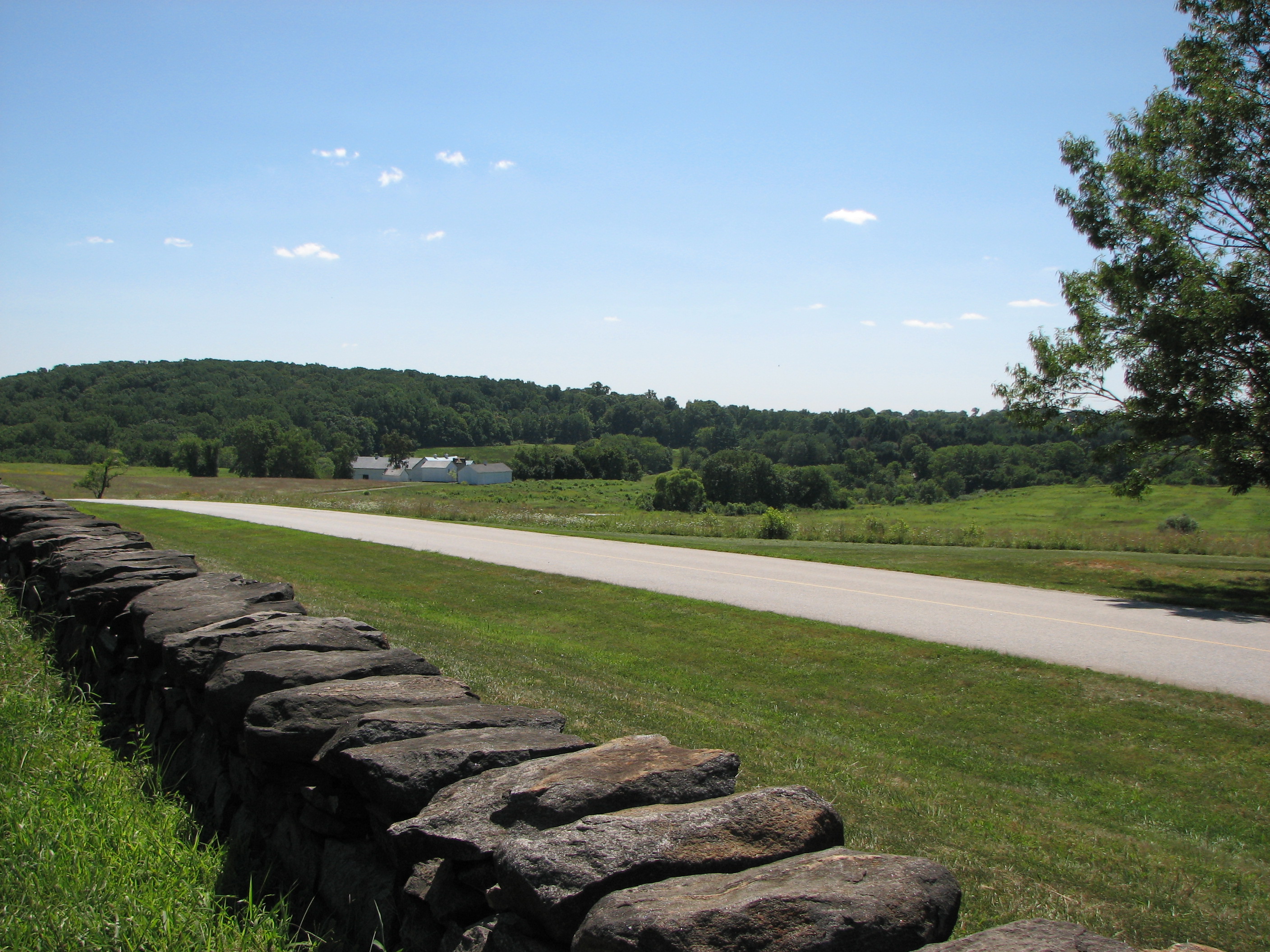
Delaware, US
Puedes ver Virginia Bluebells, Sapo Americano y Bloodroot.
Ver guía →

North Carolina, US
Puedes ver Common Watersnake, Sapo De Fowler y Fire Pink.
Ver guía →
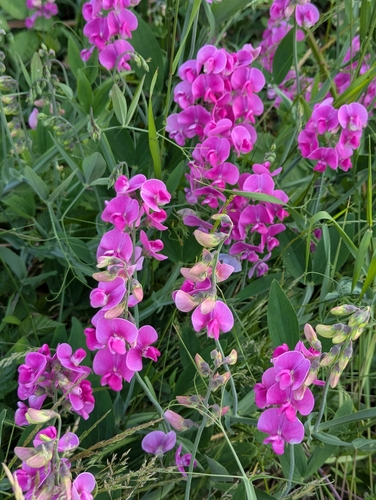
Michigan, US
Puedes ver Broad-Leaved Sweet Pea, Garlic Mustard y White Baneberry.
Ver guía →

Pennsylvania, US
Puedes ver Rana Toro Americana, Allegheny Monkeyflower y Partridgeberry.
Ver guía →
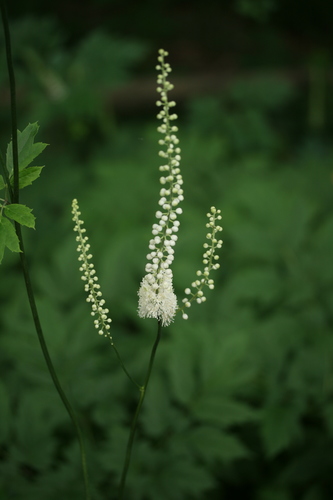
Virginia, US
Puedes ver Black Cohosh, Common Coral Slime y Rue Anemone.
Ver guía →




_Teucrium_fruticans_-_Flowers.jpg&width=800)




.jpg&width=800)