






Ruffed Grouse
Bonasa umbellus
The Ruffed Grouse is a fluffy bird that loves to hide in the woods. It can blend in with the leaves and is known for its special drumming sound during springtime to attract friends.
Hábitat: Forests
The Ruffed Grouse has mottled brown, gray, and black feathers, allowing it to blend perfectly with forest environments. It features a distinct fan-shaped tail with a broad, dark band and a crest. Males display iridescent black neck feathers, called a ruff, which they can flair out.
Categoría
AvesRareza
Common
Peligro
1/5 · Muy bajo
Snaps
¡Sé la primera persona en hacer un snap!
A male grouse makes a drumming sound without hitting anything!
Baby grouse can fly a little just one week after hatching!
Sometimes, they eat so many aspen buds they actually smell like them!
They grow special comb-like fringes on their toes for better grip on snow!
Ruffed Grouse can burst from cover with explosive speed because of powerful wing muscles, helping them escape predators instantly.
Ruffed Grouse can burrow into soft snow because of their instinctual behavior, helping them create a warm, insulating winter den.
Ruffed Grouse has a unique "drumming" sound because males rapidly beat their wings, helping them attract mates and define territory.
Ruffed Grouse has special comb-like fringes on their toes that help them walk on snow without sinking, like natural snowshoes.
An omnivore eating buds, twigs, leaves, berries, and insects from the forest floor.
Diferencias por edad: Chicks eat mostly insects for protein, while adults switch to more plant material like buds and twigs.
Bubo virginianus
A silent predator, the owl hunts grouse, especially at night.
Lynx rufus
This wild cat stalks grouse in dense forest undergrowth.
Populus tremuloides
Grouse depend heavily on aspen buds for winter survival.
Describe a los animales, principalmente aves, que poseen una cubierta de plumas.
Los animales sociales viven en grupos organizados, cooperando para obtener beneficios de supervivencia como la búsqueda de alimento, la defensa y la cría de descendencia.
Los animales cantores producen vocalizaciones complejas, a menudo con el propósito de atraer parejas, defender el territorio o comunicarse dentro de su especie.
Este rasgo identifica organismos cuya dieta incluye tanto materia vegetal como animal.

El camuflaje describe a los organismos que poseen colores o patrones que les permiten mezclarse con su entorno.

Los hábitats boscosos son entornos terrestres dominados por una densa cubierta arbórea, que sustentan una gran diversidad de vida animal y vegetal.

Los animales diurnos están activos principalmente durante el día y suelen descansar o dormir por la noche.

Este rasgo identifica a los organismos que exhiben una rapidez excepcional en sus movimientos para cazar, escapar o desplazarse.
Todavía no hay alias listados.
Peligro
1/5 · Muy bajo
Enjoy watching birds from a distance and don't try to catch them.
40-48 cm
50-64 cm
0.5-0.8 kg
1-10 años
72 km/h
An omnivore eating buds, twigs, leaves, berries, and insects from the forest floor.
Forests
Foraging
Acércate para separar los grupos y explorar dónde se ha fotografiado este objeto.
Los snaps recientes aparecerán aquí a medida que se añadan nuevas observaciones.
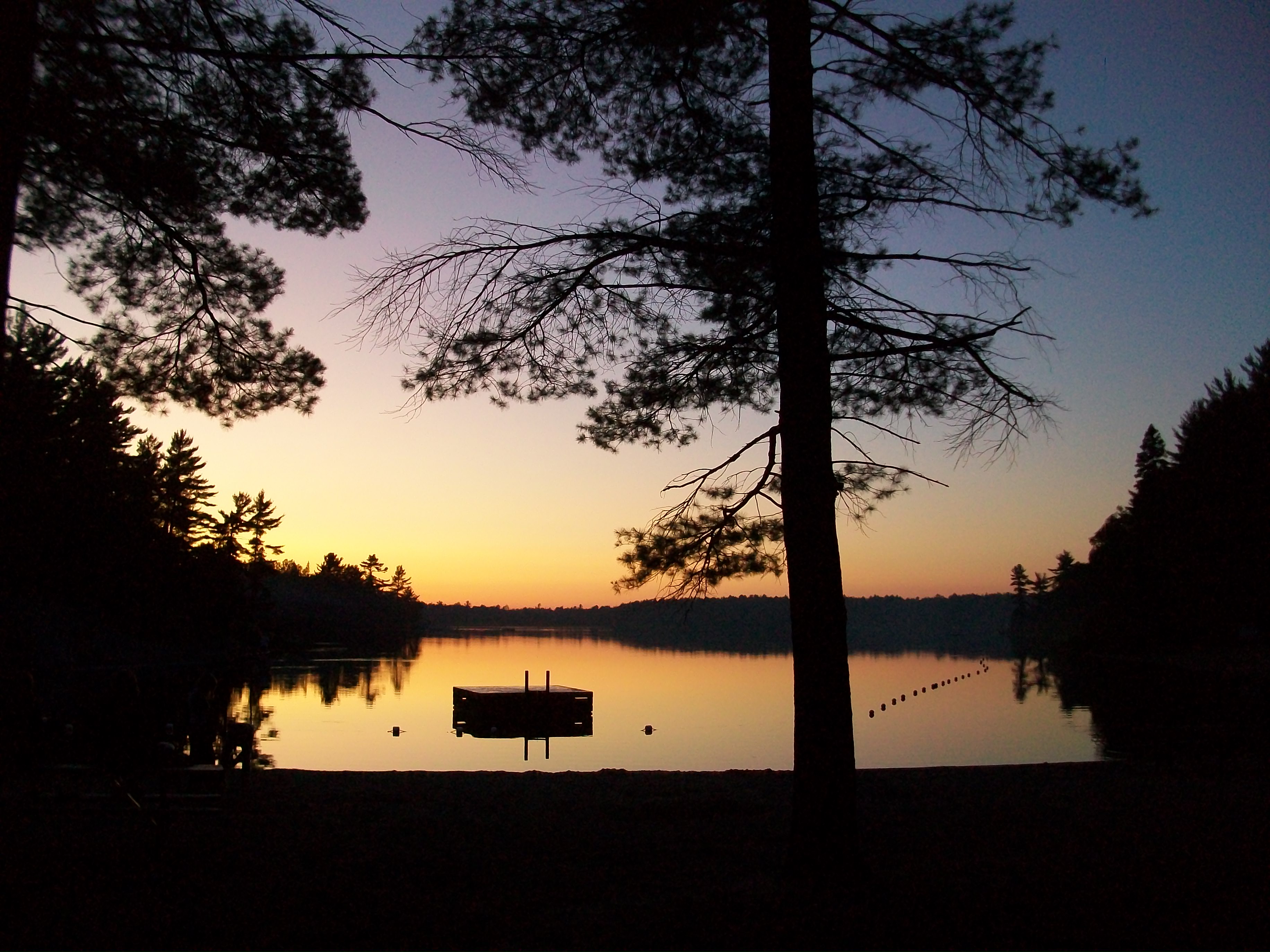
Ontario, CA
Puedes ver Tortuga Pintada, Common Watersnake y Bristly Sarsaparilla.
Ver guía →
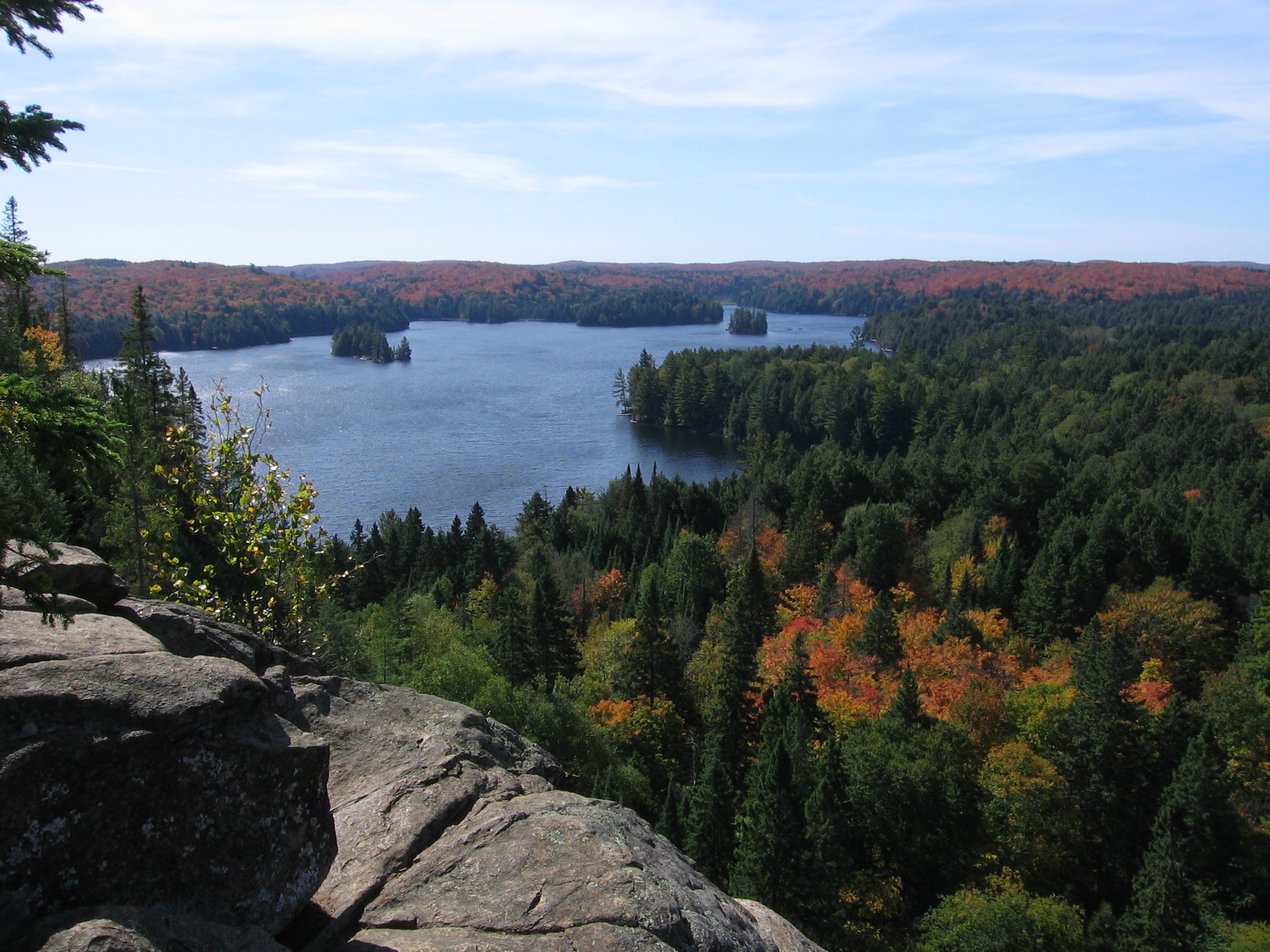
Ontario, CA
Puedes ver Alce, Brittlegills y Canadian Bunchberry.
Ver guía →
.jpg)
Manitoba, CA
Puedes ver Canadian Bunchberry, Jack Pine y Abedul Papelero.
Ver guía →

British Columbia, CA
Puedes ver Shinyleaf Meadowsweet, Northern Checkerspot y Fireweed.
Ver guía →
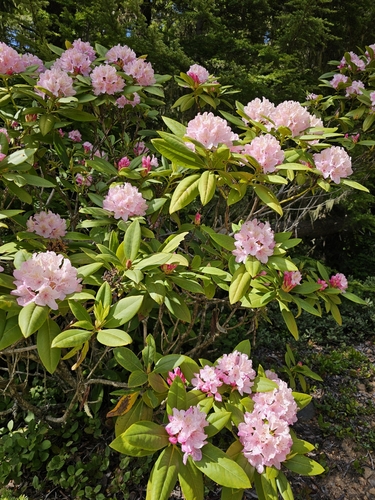
British Columbia, CA
Puedes ver Pacific Rhododendron, Vanilla Leaf y Pacific Trillium.
Ver guía →
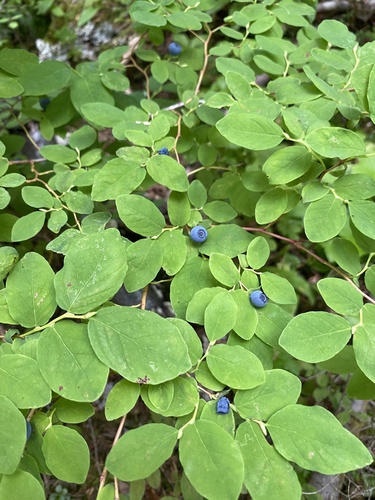
British Columbia, CA
Puedes ver Oval-Leaf Blueberry, Columbia Lily y Green False Hellebore.
Ver guía →

















