Sand Tiger Shark
carcharias taurus
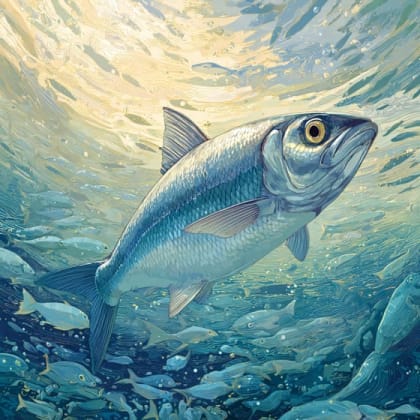
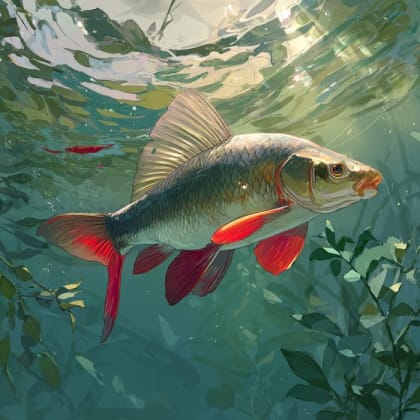
The Sand Tiger Shark is a unique-looking fish known for its long, slender body and toothy grin! These sharks can be found swimming gracefully through the ocean, making them a fascinating sight for underwater explorers.
Hábitat: Coastal waters of the ocean, often near coral reefs and sandy bottoms.
The Sand Tiger Shark has a bulky body and a pointed snout. It is brownish-grey with darker spots, a pale belly, and distinctive jagged teeth that protrude even when its mouth is closed, giving it a fierce look.
Categoría
PecesRareza
Common
Peligro
1/5 · Muy bajo
Snaps
¡Sé la primera persona en hacer un snap!
Even with their scary teeth, Sand Tiger Sharks are generally not dangerous to people.
These sharks are famous for eating their siblings inside their mom's womb!
They can gulp air like a balloon to float perfectly still without moving their fins.
They can replace hundreds of their sharp, needle-like teeth throughout their life!
Sand Tiger Sharks can gulp air into their stomachs that helps them hover perfectly still in the water, conserving energy.
Sand Tiger Sharks are skilled nocturnal predators that helps them surprise and catch unsuspecting prey at night.
Sand Tiger Sharks have rows of long, pointed, needle-like teeth that help them firmly grasp slippery fish prey.
These sharks are carnivores, primarily eating fish and other small ocean creatures they hunt!
Diferencias por edad: Young sharks eat smaller prey like crabs and shrimp, while adults hunt larger fish and squid.
Scomber scombrus
for quick, nutritious meals.
Anguilla rostrata
in coastal seabed habitats.
Loligo pealeii
for a varied diet.
Carcharodon carcharias
when young and vulnerable.
Los animales solitarios viven solos durante la mayor parte de su vida y solo interactúan con otros para aparearse o cuidar de sus crías.
Este rasgo identifica a los organismos cuya dieta consiste total o principalmente en tejido animal.
Los hábitats acuáticos abarcan entornos donde los organismos viven principalmente en el agua, incluidos océanos, ríos, lagos y humedales.
Los hábitats marinos abarcan todos los entornos de agua salada de los océanos de la Tierra, sustentando una inmensa diversidad de vida acuática.
Peligro
1/5 · Muy bajo
Always observe marine life from a safe distance.
250-320 cm
95-160 kg
15-30 años
These sharks are carnivores, primarily eating fish and other small ocean creatures they hunt!
8 km/h
Coastal waters of the ocean, often near coral reefs and sandy bottoms.
Ambush
190 m
Acércate para separar los grupos y explorar dónde se ha fotografiado este objeto.
Los snaps recientes aparecerán aquí a medida que se añadan nuevas observaciones.

Massachusetts, US
Puedes ver Lobo Fino Del Norte, Charrán Común y Foca Común.
Ver guía →

Louisiana, US
Puedes ver Aurelia Aurita, Tortuga Marina y African Penguin.
Ver guía →

Spain, ES
Puedes ver Foca, Pulpo y Hormiga.
Ver guía →