






Sanderling
Calidris alba
Sanderlings are small, lively birds that love to run along the beach. They have fluffy white feathers and are often seen chasing the waves as they search for tiny food in the sand.
Hábitat: Coastal areas
The Sanderling is a small, plump shorebird with a short, stout black bill and black legs. In winter, it is strikingly pale grey above and pure white below, appearing almost ghost-like on sandy beaches. It lacks a hind toe, giving it a distinctive track and running style.
Categoría
AvesRareza
Common
Peligro
1/5 · Muy bajo
Snaps
¡Sé la primera persona en hacer un snap!
Sanderlings don't have a back toe, which helps them run super fast on the sand!
These birds gain a lot of weight before migration, sometimes doubling their body mass!
They travel from Arctic nesting sites to beaches as far south as South America!
You can often spot a flock of Sanderlings running together, following the ocean waves.
Sanderling can dart quickly along the water's edge because of its streamlined body and rapid leg movements, helping them catch prey.
Sanderling has incredible endurance and navigation skills that help them migrate thousands of kilometers between breeding and wintering grounds.
Sanderling can efficiently probe wet sand with its sensitive bill, helping them find tiny invertebrates hidden beneath the surface.
Sanderlings mostly eat tiny ocean creatures they find buried in the sand or on the surface.
Haustorius canadensis
Sanderlings hunt this common sand flea along the shoreline.
Scoloplos armiger
This worm is a key food source for Sanderlings on many beaches.
Falco peregrinus
Fast falcons hunt Sanderlings during their long migrations.
Vulpes lagopus
Arctic foxes raid Sanderling nests for eggs and young chicks.
Describe a los animales, principalmente aves, que poseen una cubierta de plumas.
Este rasgo identifica a los organismos cuya dieta consiste principalmente en insectos y otros pequeños invertebrados.
Los hábitats costeros son entornos dinámicos situados a lo largo de la interfaz entre la tierra y el mar, influenciados por las mareas, las olas y el agua salada.
Este rasgo identifica a los organismos cuya dieta consiste total o principalmente en tejido animal.

Este rasgo identifica a los organismos que exhiben una rapidez excepcional en sus movimientos para cazar, escapar o desplazarse.

Los animales migratorios emprenden movimientos estacionales de una región a otra, típicamente en respuesta a cambios en el clima o la disponibilidad de alimentos.
Todavía no hay alias listados.
Peligro
1/5 · Muy bajo
Always watch birds from a distance and don't try to touch them.
18-21 cm
36-39 cm
0.04-0.1 kg
3-13 años
55 km/h
Sanderlings mostly eat tiny ocean creatures they find buried in the sand or on the surface.
Coastal areas
Foraging
Acércate para separar los grupos y explorar dónde se ha fotografiado este objeto.
Los snaps recientes aparecerán aquí a medida que se añadan nuevas observaciones.

Massachusetts, US
Puedes ver Lobo Fino Del Norte, Charrán Común y Foca Común.
Ver guía →

Virginia, US
Puedes ver Pelícano Pardo, Cormorán Orejudo y Yellow-Crowned Night Heron.
Ver guía →

Ontario, CA
Puedes ver Monarch, Rana Leopardo y Cisne Vulgar.
Ver guía →
.jpg)
California, US
Puedes ver Long-Billed Curlew, Snowy Plover y Sanderling.
Ver guía →

Florida, US
Puedes ver False Rosemary, Florida Rosemary y Sanderling.
Ver guía →
California, US
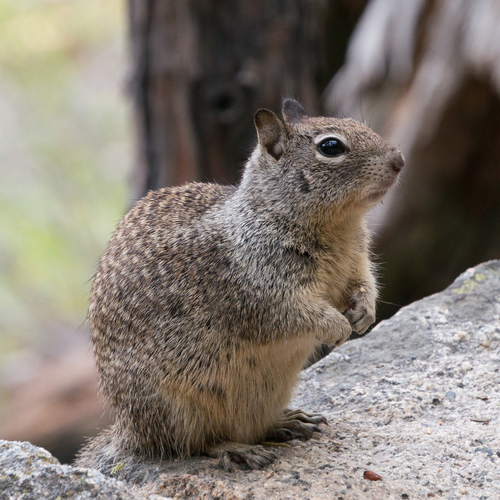
Puedes ver California Ground Squirrel y Coast Cholla.
Ver guía →













_-_Mikhailov_Nikita.jpg&width=800)

