






sassafras
Sassafras albidum
The sassafras tree is a special tree with unique leaves that can be shaped like mittens! It has a lovely smell, especially when you crush its leaves or bark.
Hábitat: Forests
The sassafras has uniquely shaped leaves, often appearing as mittens, three-lobed 'ghosts,' or unlobed ovals, sometimes all on the same tree! Its bark is deeply furrowed and reddish-brown, while its small, yellow-green flowers bloom in spring before the leaves emerge.
Categoría
PlantasRareza
Common
Peligro
2/5 · Bajo
Snaps
¡Sé la primera persona en hacer un snap!
Before modern plastics, its durable wood was often used to build fence posts and even small boats!
Many birds love to feast on its shiny, dark blue berries, helping the tree spread its seeds!
Scratching a sassafras twig or bark smells like a delicious mix of root beer and citrus!
The sassafras tree is like a chameleon, often growing three different leaf shapes on the same branch!
Sassafras has leaves that grow in three distinct shapes (oval, mitten, three-lobed) to adapt to different light conditions.
The sassafras releases a spicy, citrusy scent from its bark, leaves, and roots to deter hungry browsers.
Sassafras can send up new shoots from its roots, forming a small grove to expand and survive.
Papilio troilus
Larvae feed on sassafras leaves
Cyanocitta cristata
Feeds on the dark blue berries

Bombus impatiens
Visits sassafras flowers for nectar
Ursus americanus
Consumes the tree's ripened berries
Las plantas aromáticas producen y emiten compuestos orgánicos volátiles fragantes, a menudo como defensa o para atraer a los polinizadores.
Las plantas caducifolias pierden periódicamente todas sus hojas, por lo general durante el otoño o las estaciones secas.
Las flores fragantes emiten un aroma agradable, a menudo para atraer polinizadores o como defensa.
Los árboles de hoja ancha son angiospermas caracterizadas por hojas planas y anchas que típicamente se caen anualmente en climas templados.

Los colores otoñales se refieren al cambio estacional en la pigmentación del follaje, principalmente en plantas de hoja caduca, mostrando tonos vibrantes.

Las plantas comestibles son aquellas partes de una planta que se consideran seguras para el consumo humano.

Se refiere a la madera que ha sido preparada para su uso en la construcción y la carpintería.

Los hábitats boscosos son entornos terrestres dominados por una densa cubierta arbórea, que sustentan una gran diversidad de vida animal y vegetal.
Todavía no hay alias listados.
Peligro
2/5 · Bajo
Do not eat any parts of the sassafras tree without asking an adult first.
900-3000 cm
600-1200 cm
0.5-1 cm
Primavera
Sí
Leve
Perenne
Insectos
Acércate para separar los grupos y explorar dónde se ha fotografiado este objeto.
Los snaps recientes aparecerán aquí a medida que se añadan nuevas observaciones.
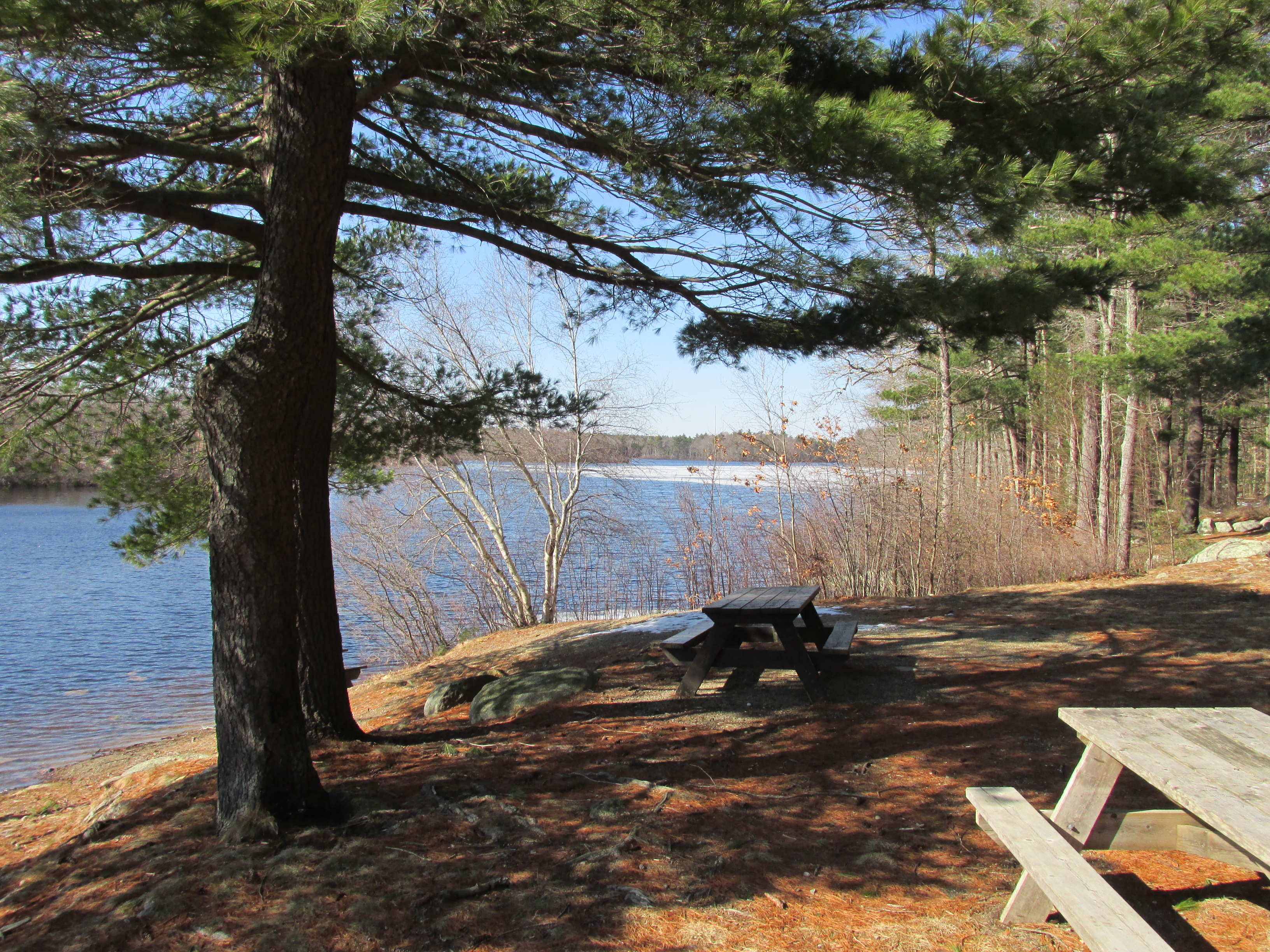
Massachusetts, US
Puedes ver Barnacla Canadiense, Common Watersnake y Cisne Vulgar.
Ver guía →
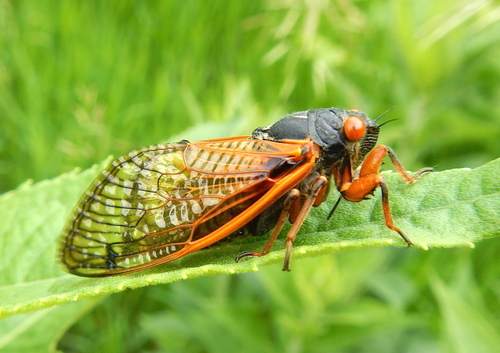
Ohio, US
Puedes ver Cassin's 17-Year Cicada, Pharaoh Cicada y Leafcup.
Ver guía →
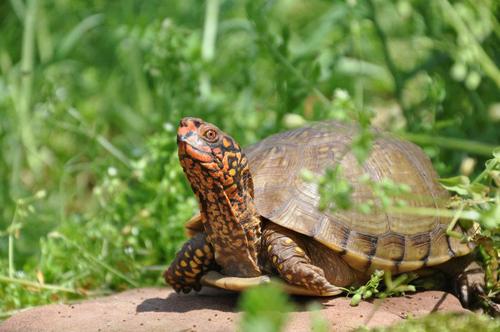
Oklahoma, US
Puedes ver Three-Toed Box Turtle, Blackjack Oak y American Persimmon.
Ver guía →
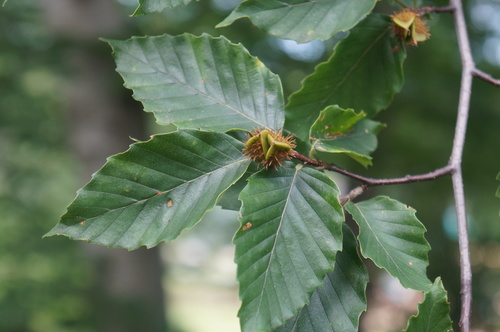
Virginia, US
Puedes ver Haya Americana, Strawberry Bush y Liquidámbar Americano.
Ver guía →
Virginia, US
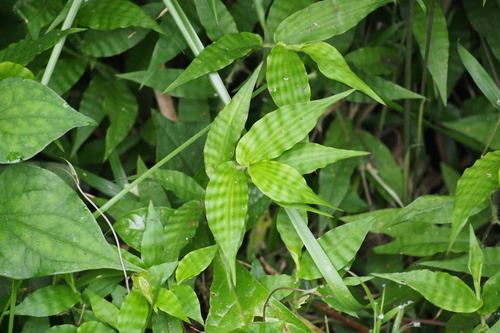
Puedes ver Wavyleaf Basketgrass, Asian Jumpseed y Dekay's Brownsnake.
Ver guía →
Virginia, US
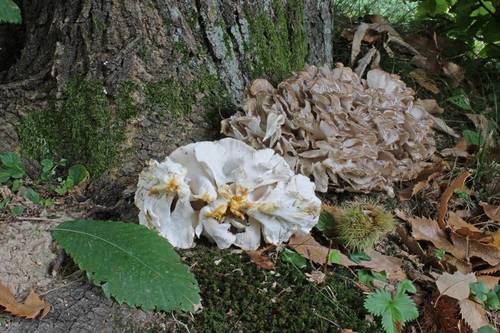
Puedes ver Gallina De Los Bosques, Roble Blanco y Harlequin Glorybower.
Ver guía →













.jpg&width=800)




