.JPG&width=800)





Satyr Tragopan
Tragopan satyra
The Satyr Tragopan is a beautiful bird with bright colors and unique patterns. It loves to live in the forests of the Himalayas, where it can hide among the trees and enjoy the fresh air.
Hábitat: Mountain regions
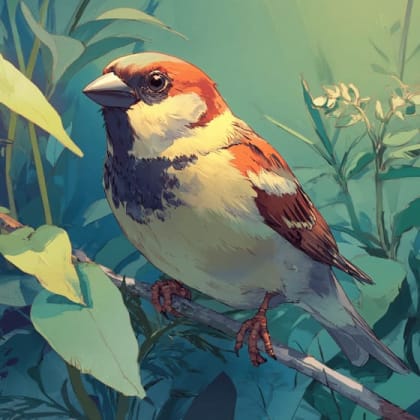
The Satyr Tragopan has a striking appearance, with males boasting a bright red body covered in white spots, a deep blue face, and vibrant inflatable blue 'horns' and an orange wattle during courtship. Females are camouflaged in mottled brown, grey, and black, helping them blend into their forest habitat.
Categoría
AvesRareza
Rare
Peligro
1/5 · Muy bajo
Snaps
¡Sé la primera persona en hacer un snap!
Males perform an elaborate, dancing 'bow' display to impress females.
Their eggs are surprisingly large, often a creamy buff color with specks.
They move between altitudes as seasons change, seeking food and milder weather.
Unlike most pheasants, these birds build their nests high up in trees!
Satyr Tragopan males can inflate bright blue, fleshy 'horns' and an orange wattle to attract mates because these elaborate displays showcase their health.
Satyr Tragopan has mottled brown and grey feathers that help them blend perfectly into the dense forest undergrowth to avoid predators.
Satyr Tragopan can make deep, booming calls that echo through the mountains because it helps them communicate across vast, dense territories.
They munch on plants, including leaves and berries, and snack on insects found on the forest floor.
Panthera pardus
Adult Satyr Tragopans can be hunted by leopards.
Martes flavigula
Marten often prey on eggs and young chicks in nests.
Aquila chrysaetos
Eagles are significant aerial predators of tragopans.
Rhododendron arboreum
Tragopans feed on leaves and buds of rhododendron plants.
Describe a los animales, principalmente aves, que poseen una cubierta de plumas.
Los animales solitarios viven solos durante la mayor parte de su vida y solo interactúan con otros para aparearse o cuidar de sus crías.
Colorido describe a organismos u objetos que exhiben una amplia variedad de colores brillantes y distintivos.
Este rasgo caracteriza a los organismos cuya dieta consiste total o principalmente en material vegetal.

Este rasgo de hábitat identifica a las especies que se encuentran en regiones montañosas, caracterizadas por su gran altitud, pendientes pronunciadas y zonas climáticas variables.

Los hábitats boscosos son entornos terrestres dominados por una densa cubierta arbórea, que sustentan una gran diversidad de vida animal y vegetal.

Los animales diurnos están activos principalmente durante el día y suelen descansar o dormir por la noche.

Describe una especie cuya presencia y papel tienen un efecto desproporcionadamente grande en su entorno.

Describe organismos que transfieren polen, permitiendo la fertilización y reproducción de las plantas.

El estado de peligro de extinción indica que una especie corre un riesgo muy alto de extinguirse en estado silvestre en un futuro próximo.
Todavía no hay alias listados.
Peligro
1/5 · Muy bajo
Always observe birds from a distance so you don't scare them away.
50-70 cm
80-100 cm
1.2-2.2 kg
5-15 años
45 km/h
They munch on plants, including leaves and berries, and snack on insects found on the forest floor.
Mountain regions
Foraging
Acércate para separar los grupos y explorar dónde se ha fotografiado este objeto.
Los snaps recientes aparecerán aquí a medida que se añadan nuevas observaciones.