



Scarabs
Scarabaeidae
Scarabs are shiny beetles that are often found in gardens and fields. They are known for their unique shapes and colors, and they play an important role in nature by helping to clean up waste.
Hábitat: Grasslands
The Scarabs has a distinctive stout, often rounded body, and can display a wide array of colors, from iridescent greens and blues to dull browns and blacks. They are characterized by their unique lamellate antennae, which can fan out, differentiating them from other beetle families.
Categoría
InsectosRareza
Common
Peligro
1/5 · Muy bajo
Snaps
¡Sé la primera persona en hacer un snap!
A few types of scarab beetles can glow in the dark, lighting up their forest homes!
Some scarab larvae live underground for years before becoming beetles!
Some scarabs can make loud squeaking sounds by rubbing body parts together!
The largest scarab beetle can be bigger than a human hand!
Scarabs can push and pull objects many times their own weight because of their powerful legs, which helps them dig tunnels and roll dung.
Scarabs has specialized lamellate antennae that helps them detect faint chemical signals, useful for finding mates or food.
Scarabs has an extremely hard exoskeleton that helps them protect their soft bodies from predators and impacts.
Scarabs mostly eat decaying plants, dung, or sometimes fresh leaves and flowers.
Diferencias por edad: Larvae often feed on decaying wood or roots, while adults consume dung, fungi, or plant matter.
Turdus migratorius
Robins frequently forage for scarab larvae and adults.
Quercus robur
Some scarab larvae consume the roots and decaying wood of oak trees.
Bos taurus
Many dung beetles rely on cattle dung for food and for housing their larvae.
Tiphia vernalis
Female wasps lay eggs on scarab grubs, which their larvae then consume.
Los carroñeros consumen materia orgánica muerta, ayudando a descomponer los cadáveres y otros desechos en el ecosistema.
Colorido describe a organismos u objetos que exhiben una amplia variedad de colores brillantes y distintivos.
Este rasgo caracteriza a los organismos cuya dieta consiste total o principalmente en material vegetal.
Los hábitats de pastizales son biomas terrestres dominados por pastos y plantas herbáceas, que sustentan a una variedad de animales de pastoreo.

Describe a los organismos que descomponen la materia orgánica muerta, reciclando los nutrientes de vuelta al ecosistema.

Los animales diurnos están activos principalmente durante el día y suelen descansar o dormir por la noche.

Describe una especie cuya presencia y papel tienen un efecto desproporcionadamente grande en su entorno.

Describe organismos que transfieren polen, permitiendo la fertilización y reproducción de las plantas.
Todavía no hay alias listados.
Peligro
1/5 · Muy bajo
Scarabs are harmless and fun to watch, but it's best to leave them alone.
5-300 mm
2-170 mm
365-1095 días
15 km/h
Scarabs mostly eat decaying plants, dung, or sometimes fresh leaves and flowers.
Grasslands
Foraging
6
Acércate para separar los grupos y explorar dónde se ha fotografiado este objeto.
Los snaps recientes aparecerán aquí a medida que se añadan nuevas observaciones.
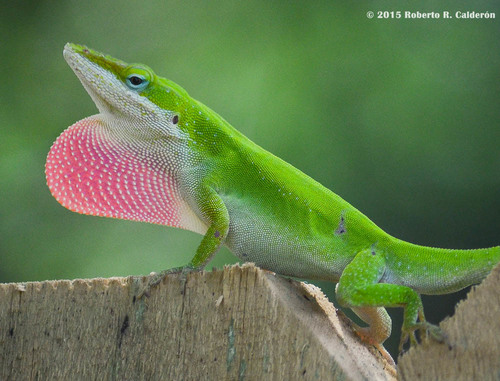
Florida, US
Puedes ver Anolis Verde, Common Gallinule y White Beggarticks.
Ver guía →
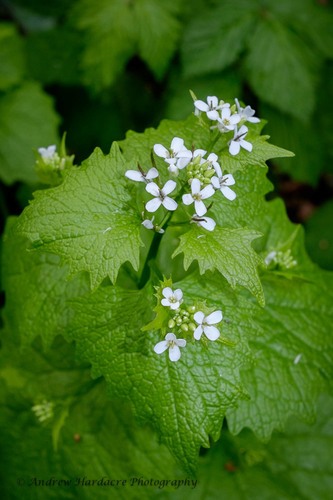
Virginia, US
Puedes ver Garlic Mustard, Violetas y Wineberry.
Ver guía →

British Columbia, CA
Puedes ver Abeto De Douglas, Silverleaf Phacelia y Rocky Mountain Maple.
Ver guía →




_Figures_1%E2%80%934.jpg&width=800)