
.jpg&width=800)





Scarlet Ibis
Eudocimus ruber
The Scarlet Ibis is a beautiful bird known for its bright red feathers. It loves to live near water and can often be seen wading in shallow ponds and marshes looking for food.
Hábitat: Wetlands
The Scarlet Ibis is a medium-sized wading bird famously adorned in brilliant, fiery red plumage from head to tail, with only black wingtips visible in flight. Its long, slender, downcurved beak is reddish, perfect for probing, making it distinct from other wading birds.
Categoría
AvesRareza
Common
Peligro
1/5 · Muy bajo
Snaps
¡Sé la primera persona en hacer un snap!
Baby ibises are brown, slowly turning red as they eat special foods!
Imagine flying with 1,000 friends – Scarlet Ibises often do, in huge flocks!
Scarlet Ibises are Venezuela's national bird, a symbol of their vibrant nature!
These birds use their curved beaks like chopsticks to slurp up tasty crabs!
Scarlet Ibis has intensely red feathers that come from pigments in the crustaceans they eat, helping them attract mates.
Scarlet Ibis can find hidden food in soft mud because its long, curved beak acts like specialized tongs, reaching deep.
Scarlet Ibis can fly in large, synchronized flocks, helping them find new food sources and navigate safely.
These vibrant birds feast on small aquatic animals, which also gives them their famous fiery red color!
Uca pugnax
Feasts on fiddler crabs for food and color.
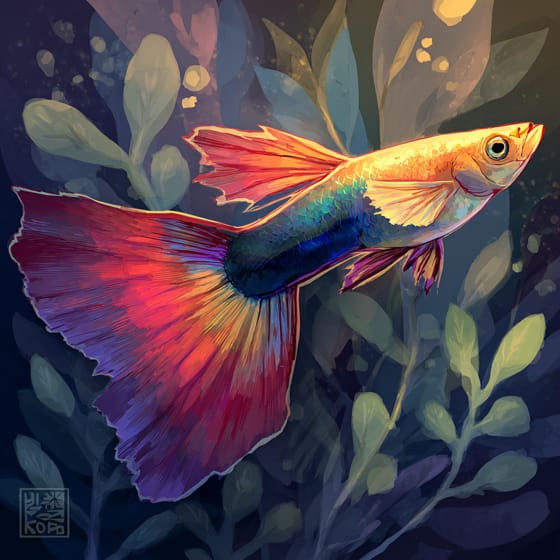
Poecilia reticulata
Consumes small fish in shallow waters.
Boa constrictor
Eggs and chicks can be prey for snakes.
Caiman crocodilus
Young birds are vulnerable to caimans.
Describe a los animales, principalmente aves, que poseen una cubierta de plumas.
Los animales sociales viven en grupos organizados, cooperando para obtener beneficios de supervivencia como la búsqueda de alimento, la defensa y la cría de descendencia.
Colorido describe a organismos u objetos que exhiben una amplia variedad de colores brillantes y distintivos.
Los organismos piscívoros son animales que subsisten principalmente de una dieta a base de peces.

Este rasgo de hábitat identifica especies que se encuentran en humedales, que son áreas de tierra saturadas de agua, ya sea permanente o estacionalmente, e incluyen marismas, pantanos y ciénagas.

Este rasgo identifica a los organismos cuya dieta consiste total o principalmente en tejido animal.

Los animales diurnos están activos principalmente durante el día y suelen descansar o dormir por la noche.

Los animales migratorios emprenden movimientos estacionales de una región a otra, típicamente en respuesta a cambios en el clima o la disponibilidad de alimentos.

El estado de peligro de extinción indica que una especie corre un riesgo muy alto de extinguirse en estado silvestre en un futuro próximo.
Todavía no hay alias listados.
Peligro
1/5 · Muy bajo
Always watch birds from a distance and do not disturb their nests.
56-61 cm
85-95 cm
0.65-0.86 kg
15-20 años
60 km/h
These vibrant birds feast on small aquatic animals, which also gives them their famous fiery red color!
Wetlands
Foraging
Acércate para separar los grupos y explorar dónde se ha fotografiado este objeto.
Los snaps recientes aparecerán aquí a medida que se añadan nuevas observaciones.

Nebraska, US
Puedes ver León Africano, Jirafas y Tigre.
Ver guía →

Delaware, US
Puedes ver Northern Raven, Abeja y Panda Rojo.
Ver guía →

New York, US
Puedes ver Zorro Rojo, Lobo Gris y Equus Africanus Asinus.
Ver guía →

Virginia, US
Puedes ver Leopardo De Las Nieves, Panda Rojo y Lince Europeo.
Ver guía →

Texas, US
Puedes ver Dragón De Komodo, Domestic Bactrian Camel y Spectacled Bear.
Ver guía →

Occitania, FR
Puedes ver Guepardos, Camello y Emú.
Ver guía →













