sea fig
Carpobrotus edulis
The sea fig is a fun plant that grows along the coast. It has thick, juicy leaves and pretty yellow or pink flowers that bloom in the summer. This plant loves sunny places and can help keep the sand in place!
Hábitat: Coastal areas
The sea fig is a sprawling succulent with thick, fleshy, three-angled leaves that form dense mats. Its vibrant, daisy-like flowers are typically bright yellow or magenta, standing out against the glossy green foliage.
Categoría
PlantasRareza
Common
Peligro
1/5 · Muy bajo
Snaps
¡Sé la primera persona en hacer un snap!
Its juicy fruit was once used by sailors to prevent scurvy on long voyages!
Originally from South Africa, this tough plant now grows on coasts worldwide!
Sea fig can help stop erosion by anchoring sandy soils with its strong roots!
Some call it 'ice plant' because its glistening leaves look like they're covered in ice!
Sea fig can thrive in salty coastal soils because it has special cells to store and excrete excess salt.
Sea fig has thick, succulent leaves that store precious water, helping it survive long periods of drought.
Sea fig can quickly cover large areas, thanks to its fast-growing, rooting stems that spread aggressively.
Sea fig produces tasty, edible fruits that attract animals, which then help spread its seeds to new locations.
Apis mellifera
Visits its bright flowers to collect nectar and pollen.
Homo sapiens
Enjoy the sweet, tangy fruits of the sea fig.

Helix aspersa
Grazes on its fleshy leaves and stems, especially new growth.
Oryctolagus cuniculus
Feeds on the succulent leaves and stems of the plant.
Las plantas con flores son cualquier planta que produce flores como parte de su ciclo reproductivo.
Un arbusto es una planta leñosa más pequeña que un árbol, típicamente con múltiples tallos que se ramifican desde o cerca del suelo.
Las plantas de floración de verano producen sus flores durante la temporada estival, a menudo aportando un color vibrante cuando muchas otras plantas ya han terminado de florecer.
Las plantas frutales producen frutos, que son los ovarios maduros de las plantas con flores que contienen semillas.

Las plantas tolerantes a la sal pueden resistir y crecer en condiciones con niveles elevados de salinidad en el suelo o el agua.

Las plantas suculentas tienen partes engrosadas y carnosas, generalmente hojas o tallos, adaptadas para almacenar agua en climas áridos.

Las plantas tolerantes a la sequía pueden sobrevivir y florecer en condiciones de escasa disponibilidad de agua.

Las plantas comestibles son aquellas partes de una planta que se consideran seguras para el consumo humano.

Describe plantas que son particularmente atractivas y beneficiosas para una amplia variedad de organismos polinizadores.

Los hábitats costeros son entornos dinámicos situados a lo largo de la interfaz entre la tierra y el mar, influenciados por las mareas, las olas y el agua salada.
Peligro
1/5 · Muy bajo
Always look but don't touch plants without asking an adult first.
10-30 cm
100-300 cm
5-10 cm
Primavera a otoño
Sí
Ninguna
Perenne
Insectos
Acércate para separar los grupos y explorar dónde se ha fotografiado este objeto.
Los snaps recientes aparecerán aquí a medida que se añadan nuevas observaciones.
California, US
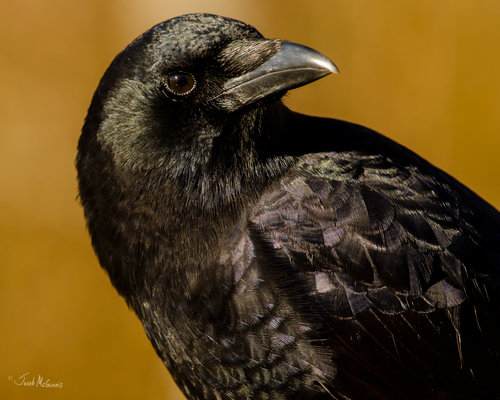
Puedes ver Cuervo Americano, Yellow-Rumped Warbler y Lincoln's Sparrow.
Ver guía →
California, US
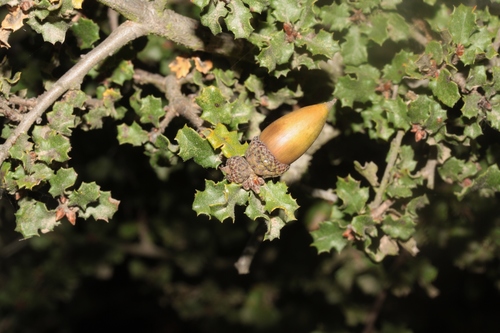
Puedes ver Nuttall's Scrub Oak, Pinzón Mexicano y Western Blue-Eyed Grass.
Ver guía →




.jpg&width=800)







_Sesbania_punicea_-_Les_Martels%2C_Giroussens_Tarn.jpg&width=800)