
sea purslane
Sesuvium portulacastrum
Sea purslane is a fun, green plant that grows near the beach! It has thick, juicy leaves and pretty little flowers. This plant loves salty air and can even grow in sandy soil.
Hábitat: Coastal areas
The sea purslane has thick, fleshy, bright green to reddish succulent leaves and stems that creep along the ground. It features small, star-shaped flowers that are typically pink or magenta, creating a vibrant contrast against its robust foliage.
Categoría
PlantasRareza
Common
Peligro
1/5 · Muy bajo
Snaps
¡Sé la primera persona en hacer un snap!
In several cultures, its fresh leaves are a tasty addition to salads or cooked like spinach!
Its tiny seeds can float for months, helping sea purslane spread to distant beaches worldwide!
Some people call it "pickleweed" because its salty leaves taste surprisingly tangy and crunchy!
This amazing plant helps prevent sand dunes from washing away during strong storms and winds!
Sea purslane thrives in salty soil by storing and shedding excess salt in its leaves.
Sea purslane has thick, succulent leaves that store precious water, helping it survive dry coastal conditions.
Sea purslane spreads by rooting new plants from its stems wherever they touch the ground.
Its sprawling roots and stems help to anchor loose sand, preventing erosion on fragile coastlines.
Apis mellifera
collects nectar from its flowers
Uca annulipes
hides among its dense growth
Spodoptera litura
larvae feed on its succulent leaves
Las plantas con flores son cualquier planta que produce flores como parte de su ciclo reproductivo.
Las plantas de hoja perenne conservan su follaje durante todo el año, sin perder nunca todas sus hojas a la vez.
Las plantas tolerantes a la sal pueden resistir y crecer en condiciones con niveles elevados de salinidad en el suelo o el agua.
Las plantas suculentas tienen partes engrosadas y carnosas, generalmente hojas o tallos, adaptadas para almacenar agua en climas áridos.

Las plantas tolerantes a la sequía pueden sobrevivir y florecer en condiciones de escasa disponibilidad de agua.

Describe plantas que son particularmente atractivas y beneficiosas para una amplia variedad de organismos polinizadores.

Los hábitats costeros son entornos dinámicos situados a lo largo de la interfaz entre la tierra y el mar, influenciados por las mareas, las olas y el agua salada.
Todavía no hay alias listados.
Peligro
1/5 · Muy bajo
Always explore plants with an adult and never eat anything you find without asking.
10-30 cm
50-150 cm
0.5-1 cm
Summer-Fall
Sí
Ninguna
Perenne
Insectos
Acércate para separar los grupos y explorar dónde se ha fotografiado este objeto.
Los snaps recientes aparecerán aquí a medida que se añadan nuevas observaciones.
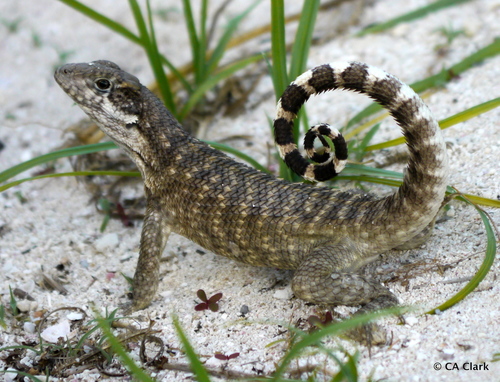
Florida, US
Puedes ver Northern Curly-Tailed Lizard, Iguana Verde y Triangle Cactus.
Ver guía →
Florida, US
Puedes ver Monk Parakeet, Peters's Rock Agama y Pelícano Pardo.
Ver guía →

Florida, US
Puedes ver Willet, Lightning Whelk y Ruddy Turnstone.
Ver guía →

Florida, US
Puedes ver Firewheel, Black Mangrove y Yaupon Holly.
Ver guía →