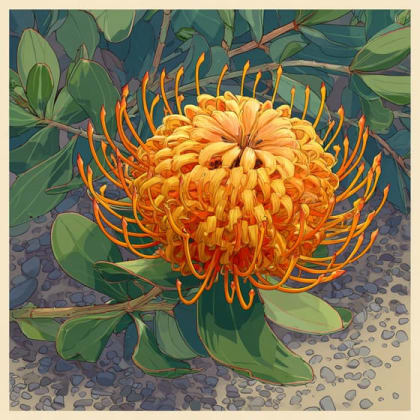
shining sumac
Rhus copallinum
Shining sumac is a lovely shrub with shiny leaves that can turn bright red in the fall. It grows in groups and is great for attracting butterflies and birds to your garden.
Hábitat: Forests
The shining sumac has glossy, dark green leaves with unique "wings" along the central stem. Its small, yellowish-green flowers form upright clusters, later turning into fuzzy, reddish-brown berry cones that stay on through winter.
Categoría
PlantasRareza
Common
Peligro
1/5 · Muy bajo
Snaps
¡Sé la primera persona en hacer un snap!
In autumn, its leaves transform into an amazing display of fiery red and orange colors!
Its tart red berries can be steeped in water to make a refreshing, lemonade-like drink!
Look closely! Each leaf has little "wings" along its stem, making it easy to identify.
This plant is a "pioneer," often being one of the first to grow in disturbed or open land.
Shining sumac can send out underground stems to quickly grow new plants, helping it colonize open areas.
Its tough roots and leaves help it survive in dry, sandy, or poor soil where many other plants struggle.
This sumac produces bright red, tart berries that provide crucial food for birds when other sources are scarce.
Turdus migratorius
eats winter berries
Odocoileus virginianus
browses on leaves
Apis mellifera
visits flowers for nectar
Las plantas caducifolias pierden periódicamente todas sus hojas, por lo general durante el otoño o las estaciones secas.
Las plantas con flores son cualquier planta que produce flores como parte de su ciclo reproductivo.
Un arbusto es una planta leñosa más pequeña que un árbol, típicamente con múltiples tallos que se ramifican desde o cerca del suelo.
Los colores otoñales se refieren al cambio estacional en la pigmentación del follaje, principalmente en plantas de hoja caduca, mostrando tonos vibrantes.

Describe plantas que son particularmente atractivas y beneficiosas para una amplia variedad de organismos polinizadores.

Los hábitats boscosos son entornos terrestres dominados por una densa cubierta arbórea, que sustentan una gran diversidad de vida animal y vegetal.
Peligro
1/5 · Muy bajo
Always look but don't touch plants unless an adult says it's safe.
200-800 cm
200-600 cm
0.2-0.5 cm
Verano
Sí
Ninguna
Perenne
Insectos
Acércate para separar los grupos y explorar dónde se ha fotografiado este objeto.
Los snaps recientes aparecerán aquí a medida que se añadan nuevas observaciones.
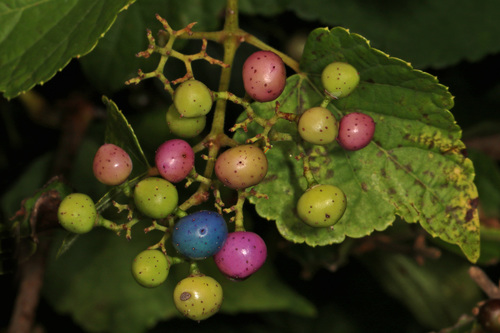
New York, US
Puedes ver Porcelain Berry y Common Mugwort.
Ver guía →

New York, US
Puedes ver Common Mugwort, Snow Goose × Brant y Spotted Lanternfly.
Ver guía →

New York, US
Puedes ver Common Mugwort, White Snakeroot y Common Eastern Bumble Bee.
Ver guía →
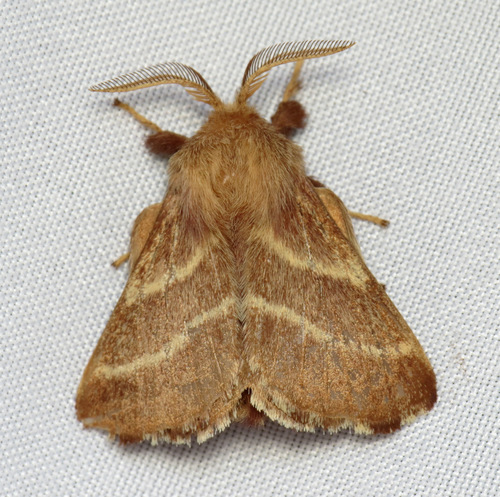
New York, US
Puedes ver Eastern Tent Caterpillar Moth y Common Mugwort.
Ver guía →

Connecticut, US
Puedes ver Rosa Silvestre, American Herring Gull y águila Pescadora.
Ver guía →
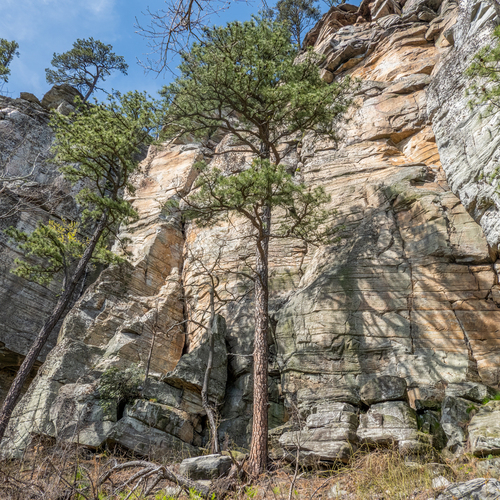
New Jersey, US
Puedes ver Pitch Pine, Pato y Gallberry.
Ver guía →