Siberian elm
Ulmus pumila
The Siberian elm is a strong tree that can grow tall and wide. It has beautiful green leaves that turn yellow in the fall. This tree is great for providing shade on hot days!
Hábitat: Urban areas
The Siberian elm is a medium-sized deciduous tree with an open, spreading crown and thin, rough, gray-brown bark. Its small, serrated, dark green leaves are distinctively asymmetrical at the base, and it produces numerous flat, round, papery seeds.
Categoría
PlantasRareza
Common
Peligro
1/5 · Muy bajo
Snaps
¡Sé la primera persona en hacer un snap!
Even when branches break, this tough tree often grows back stronger!
Its wood is so strong, it's used for making sturdy furniture and tools!
This tree grows so fast, it's often used to quickly provide shade!
Tiny, round 'wafers' are actually its seeds, which flutter like confetti!
Siberian elm can survive with very little water, thanks to its deep root system that helps it find moisture.
Siberian elm produces thousands of winged seeds that can be carried far by the wind, helping it spread quickly.
Siberian elm can grow in poor soils and harsh climates, making it one of the first trees to colonize disturbed areas.
Lymantria dispar
Larvae feed voraciously on its leaves.
Sciurus carolinensis
Feeds on the abundant seeds produced by the tree.
Turdus migratorius
Often builds nests in its sturdy branches.
Odocoileus virginianus
Browses on young twigs and foliage.
Las plantas caducifolias pierden periódicamente todas sus hojas, por lo general durante el otoño o las estaciones secas.
Las plantas tolerantes a la sombra están adaptadas para crecer y prosperar en áreas con bajos niveles de luz, requiriendo menos luz solar directa.
Los árboles de hoja ancha son angiospermas caracterizadas por hojas planas y anchas que típicamente se caen anualmente en climas templados.
Las plantas tolerantes a la sequía pueden sobrevivir y florecer en condiciones de escasa disponibilidad de agua.

Los colores otoñales se refieren al cambio estacional en la pigmentación del follaje, principalmente en plantas de hoja caduca, mostrando tonos vibrantes.

Se refiere a la madera que ha sido preparada para su uso en la construcción y la carpintería.

Este rasgo caracteriza a los organismos con una esperanza de vida excepcionalmente larga en comparación con otros de su especie.

Esta característica de hábitat indica especies que pueden coexistir con los humanos en entornos urbanos y suburbanos, utilizando estructuras artificiales y espacios verdes.
Todavía no hay alias listados.
Peligro
1/5 · Muy bajo
Be careful around trees; don't climb too high and watch for falling branches.
1000-2000 cm
800-1500 cm
0.2-0.4 cm
Primavera
Sí
Ninguna
Perenne
Viento
Acércate para separar los grupos y explorar dónde se ha fotografiado este objeto.
Los snaps recientes aparecerán aquí a medida que se añadan nuevas observaciones.
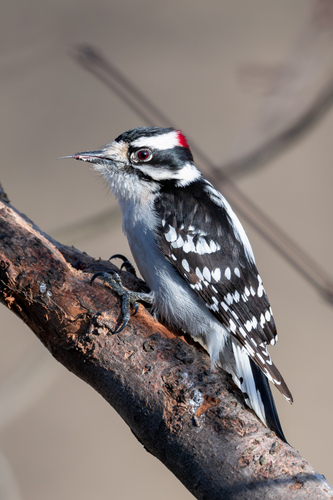
Illinois, US
Puedes ver Carpintero Peludo, Petirrojo Americano y Cuervo Americano.
Ver guía →

British Columbia, CA
Puedes ver Yellow-Bellied Marmot, Rubber Rabbitbrush y Siberian Elm.
Ver guía →
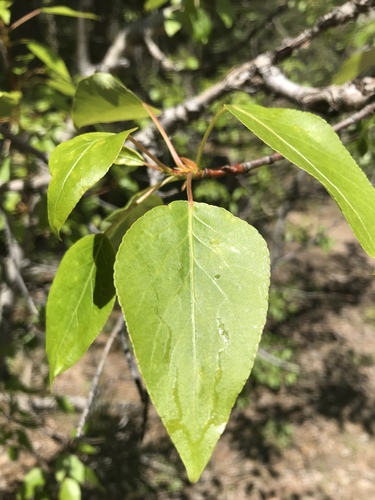
British Columbia, CA
Puedes ver Black Cottonwood, Oregon Grape y Showy Milkweed.
Ver guía →