





Sicus
Sicus
El Sicus es un insecto único conocido por sus colores brillantes y su forma interesante. Le encanta esconderse entre las hojas y se puede encontrar en jardines y bosques, ¡lo que lo convierte en una divertida sorpresa de avistar!
Hábitat: Bosques
El Sicus es un insecto pequeño e iridiscente, que a menudo exhibe vibrantes tonalidades verde metálico o rojo cobrizo en su cuerpo segmentado. Tiene ojos grandes y multifacéticos y antenas distintivas en forma de maza que sobresalen prominentemente de su cabeza, distinguiéndolo visualmente de otros pequeños escarabajos.
Categoría
InsectosRareza
Common
Peligro
1/5 · Muy bajo
Snaps
¡Sé la primera persona en hacer un snap!
¡Un Sicus puede volar hacia atrás, una hazaña rara para los insectos!
¡Las larvas de Sicus viven bajo tierra durante años antes de emerger como adultos!
Algunas especies de Sicus se comunican usando pequeñas vibraciones a través de las hojas.
Sus ojos tienen miles de lentes diminutas, creando un mosaico de super-visión.
¡Los Sicus son herbívoros, disfrutan de néctar, polen e incluso savia de plantas!
Diferencias por edad: Las larvas se alimentan de raíces, mientras que los adultos consumen néctar y polen.
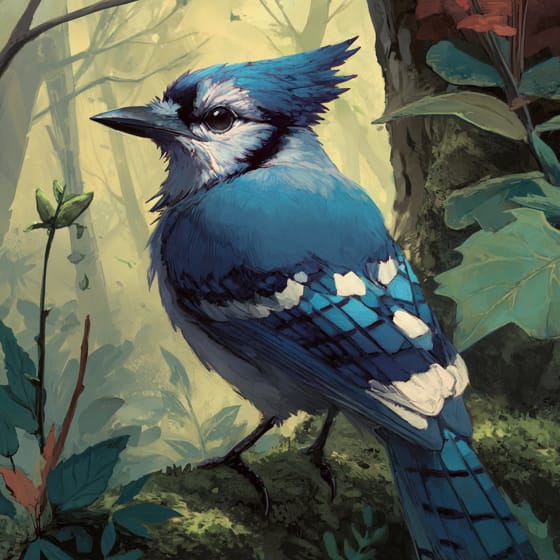
Cyanocitta cristata
Una comida rápida y colorida.

Trifolium pratense
Ayuda al trébol a producir nuevas semillas.
Helianthus annuus
Se alimenta de su dulce néctar.
Los animales solitarios viven solos durante la mayor parte de su vida y solo interactúan con otros para aparearse o cuidar de sus crías.
El camuflaje describe a los organismos que poseen colores o patrones que les permiten mezclarse con su entorno.
Colorido describe a organismos u objetos que exhiben una amplia variedad de colores brillantes y distintivos.
Este rasgo caracteriza a los organismos cuya dieta consiste total o principalmente en material vegetal.

Los hábitats boscosos son entornos terrestres dominados por una densa cubierta arbórea, que sustentan una gran diversidad de vida animal y vegetal.

Los animales diurnos están activos principalmente durante el día y suelen descansar o dormir por la noche.

Describe una especie cuya presencia y papel tienen un efecto desproporcionadamente grande en su entorno.

Describe organismos que transfieren polen, permitiendo la fertilización y reproducción de las plantas.
Todavía no hay alias listados.
Peligro
1/5 · Muy bajo
¡Siempre observe, pero no toque los insectos a menos que sepa que son seguros!
La forma más fácil de identificar a Sicus es usar la aplicación de identificación de naturaleza Snappit.
10-20 mm
5-10 mm
30-60 días
8 km/h
¡Los Sicus son herbívoros, disfrutan de néctar, polen e incluso savia de plantas!
Bosques
Forrajeo
Acércate para separar los grupos y explorar dónde se ha fotografiado este objeto.
Los snaps recientes aparecerán aquí a medida que se añadan nuevas observaciones.
Llévate el descubrimiento
Haz una foto con Snappit, identifica la especie y guarda el hallazgo en tu colección.







.jpg&width=800)

