






Silky Dogwood
cornus amomum
The Silky Dogwood is a beautiful plant with soft, silky leaves that look like they are glowing in the sun. Its branches are perfect for birds to perch on and enjoy the view!
Hábitat: Wetlands, swamps, and along riverbanks.
The Silky Dogwood has distinctive reddish-purple stems, especially vibrant in winter, and produces clusters of small, creamy-white flowers in late spring. Its lance-shaped leaves are dark green, often turning dull reddish-purple in autumn, complementing its striking blue berries.
Categoría
PlantasRareza
Common
Peligro
0/5 · Sin peligro conocido
Snaps
¡Sé la primera persona en hacer un snap!
If you gently break a Silky Dogwood leaf, you might see tiny, silky threads connecting the halves!
Native Americans historically used parts of this plant for medicinal purposes, like treating fevers.
Silky Dogwood berries are a favorite snack for at least 90 different bird species!
The name "dogwood" might come from "dag," meaning skewer, for its hard wood!
Silky Dogwood can stabilize stream banks with its extensive root system, helping prevent erosion and protect delicate habitats.
This plant grows vibrant blue berries in late summer, providing a crucial food source for many bird species and small mammals.
Silky Dogwood has a special tolerance for wet soils, allowing it to thrive in boggy areas where other plants struggle.
Its bright, reddish-purple stems stand out in winter, adding a splash of color to drab landscapes and helping it get noticed.
Turdus migratorius
Eats the blue berries
Bombycilla cedrorum
Feasts on abundant fruit clusters
Odocoileus virginianus
Browses its young stems and leaves
Apis mellifera
Gathers nectar from its small flowers

Syrphus ribesii
Visits flowers for nectar and pollen
Los animales sociales viven en grupos organizados, cooperando para obtener beneficios de supervivencia como la búsqueda de alimento, la defensa y la cría de descendencia.
Colorido describe a organismos u objetos que exhiben una amplia variedad de colores brillantes y distintivos.
Este rasgo caracteriza a los organismos cuya dieta consiste total o principalmente en material vegetal.
Los hábitats boscosos son entornos terrestres dominados por una densa cubierta arbórea, que sustentan una gran diversidad de vida animal y vegetal.

Describe organismos que transfieren polen, permitiendo la fertilización y reproducción de las plantas.
Peligro
0/5 · Sin peligro conocido
Todavía no hay notas especiales de seguridad.
150-450 cm
150-300 cm
0.5-1 cm
Late spring to early summer
No
Leve
Perenne
Insectos
Acércate para separar los grupos y explorar dónde se ha fotografiado este objeto.
Los snaps recientes aparecerán aquí a medida que se añadan nuevas observaciones.
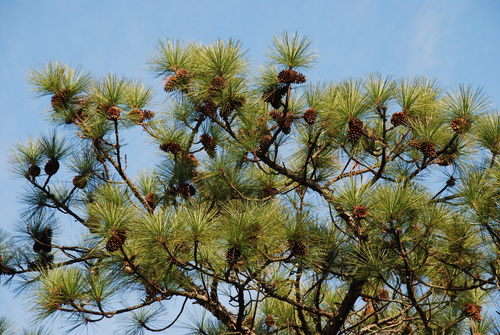
Virginia, US
Puedes ver Pines, Common Milkweed y Sweetbay Magnolia.
Ver guía →

Louisiana, US
Puedes ver Sharp-Lobed Hepatica y Purple-Flowered Raspberry.
Ver guía →
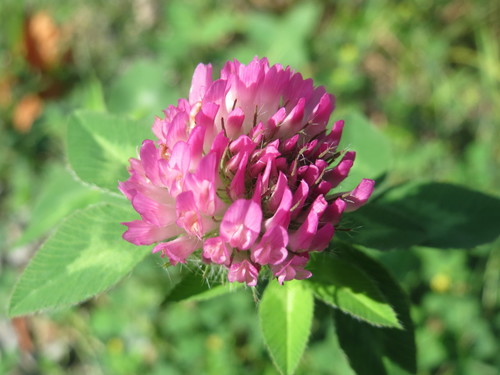
Virginia, US
Puedes ver Red Clover, American Tuliptree y Common Eastern Bumble Bee.
Ver guía →
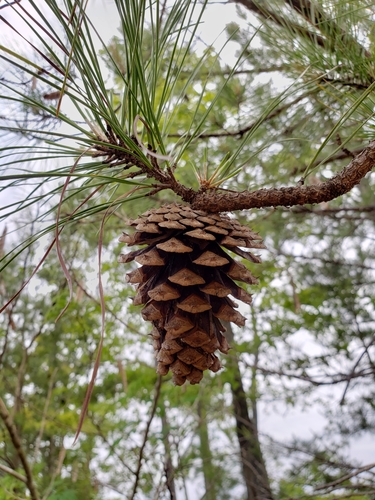
Virginia, US
Puedes ver Loblolly Pine, Fox Grape y Sensitive Fern.
Ver guía →

















