





Silky Lupine
Lupinus sericeus
Silky Lupine is a beautiful flower with soft, silky leaves and colorful blooms. It grows in sunny places and attracts butterflies and bees, making it a happy spot in nature!
Hábitat: Grasslands
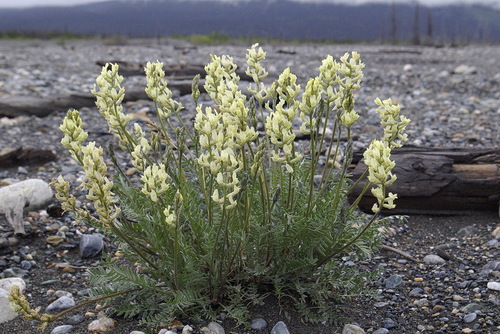
The Silky Lupine has tall, dense spikes of pea-like flowers, often vibrant purple, blue, or sometimes white. Its distinctive leaves are covered in fine, silvery hairs, giving the plant a soft, fuzzy, and silvery-green appearance.
Categoría
PlantasRareza
Common
Peligro
1/5 · Muy bajo
Snaps
¡Sé la primera persona en hacer un snap!
Its seeds can stay dormant underground for decades, patiently waiting for the right conditions to sprout!
Many Native American tribes used parts of the Silky Lupine for various traditional purposes.
Silky Lupine flowers are like a special landing strip, guiding bees to their sweet, nutritious nectar!
This plant's super deep roots help it survive long droughts by finding water far underground!
Silky Lupine can enrich the soil with nitrogen, acting like a natural fertilizer, which helps other plants grow too.
Silky Lupine has fuzzy leaves that trap moisture and a deep taproot, helping it survive in dry, sunny environments.
Silky Lupine produces bitter, toxic chemicals, especially in its seeds, deterring many hungry animals from eating them.
Apis mellifera
Collects nectar and pollen from its flowers.

Bombus impatiens
Visits flowers for nectar and helps spread pollen.
Rhizobium leguminosarum
Forms root nodules to fix nitrogen for the plant.
Peromyscus maniculatus
May consume seeds, despite their toxicity to some.
Describe a los organismos capaces de convertir el nitrógeno atmosférico en compuestos utilizables por las plantas.
Las plantas con flores son cualquier planta que produce flores como parte de su ciclo reproductivo.
Las plantas de floración primaveral producen sus flores durante la temporada de primavera, lo que a menudo significa el final del invierno y el comienzo de un nuevo crecimiento.
Las flores fragantes emiten un aroma agradable, a menudo para atraer polinizadores o como defensa.

Colorido describe a organismos u objetos que exhiben una amplia variedad de colores brillantes y distintivos.

Describe plantas que son particularmente atractivas y beneficiosas para una amplia variedad de organismos polinizadores.

Los hábitats de pastizales son biomas terrestres dominados por pastos y plantas herbáceas, que sustentan a una variedad de animales de pastoreo.
Todavía no hay alias listados.
Peligro
1/5 · Muy bajo
Do not eat any flowers or plants without asking an adult first.
30-75 cm
15-30 cm
1-1.5 cm
Late spring to mid-summer
No
Moderada
Perenne
Insectos
Acércate para separar los grupos y explorar dónde se ha fotografiado este objeto.
Los snaps recientes aparecerán aquí a medida que se añadan nuevas observaciones.










.jpg&width=800)



