




Silpha carinata
Silpha carinata
La Silpha carinata, también conocida como escarabajo errante negro, es un insecto brillante y negro al que le encanta explorar el suelo. Tiene un cuerpo largo y a menudo se puede encontrar en la hojarasca o debajo de los troncos.
Hábitat: Bosques
La Silpha carinata es un escarabajo aplanado, de forma ovalada, típicamente de 12-20 mm de largo. Es principalmente de color negro opaco, pero tiene una llamativa placa grande de color rojizo-anaranjado o amarillo-anaranjado (pronoto) detrás de su cabeza, a menudo con una mancha central más oscura. Sus élitros están claramente estriados.
Categoría
InsectosRareza
Common
Peligro
1/5 · Muy bajo
Snaps
¡Sé la primera persona en hacer un snap!
¿Sabías que su nombre científico 'carinata' significa 'quillado' debido a su espalda estriada?
¡Algunos de sus parientes pueden enterrar pequeños cuerpos de animales bajo tierra para alimentarse!
¡Estudiar estos escarabajos ayuda a los científicos a entender cómo la naturaleza se limpia a sí misma!
¡A este escarabajo a veces se le llama 'escarabajo carroñero' porque le encanta comer cosas muertas!
La Silpha carinata puede descomponer animales y plantas muertos gracias a su sistema digestivo especializado, ayudando a reciclar nutrientes.
La Silpha carinata puede liberar sustancias químicas malolientes de su parte trasera gracias a glándulas especiales, lo que les ayuda a disuadir a los depredadores hambrientos.
La Silpha carinata tiene antenas súper sensibles que les ayudan a olfatear el aroma de la materia en descomposición desde lejos.
¡Este escarabajo es un experto en limpieza, comiendo animales muertos, hongos y a veces incluso otros insectos!
Diferencias por edad: Las larvas consumen principalmente carroña; los adultos también pueden depredar otros pequeños invertebrados.
Mus musculus
Carroñea sus cuerpos muertos
Lucilia sericata
Depreda sus larvas en la carroña
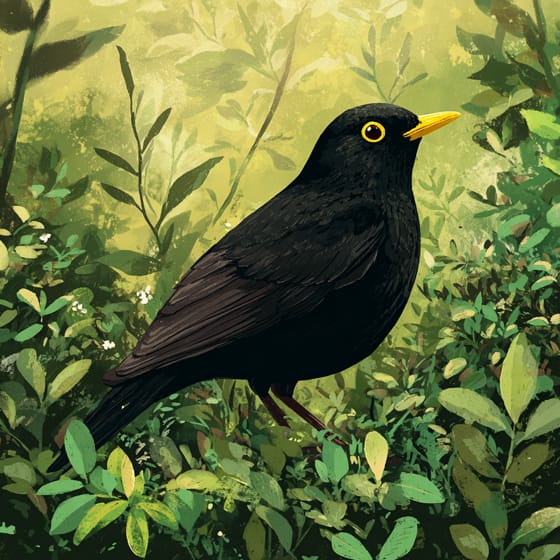
Turdus merula
Puede ser presa de aves que se alimentan en el suelo

Sorex araneus
Puede ser presa de pequeños mamíferos insectívoros
Los animales solitarios viven solos durante la mayor parte de su vida y solo interactúan con otros para aparearse o cuidar de sus crías.
Los carroñeros consumen materia orgánica muerta, ayudando a descomponer los cadáveres y otros desechos en el ecosistema.
Los hábitats boscosos son entornos terrestres dominados por una densa cubierta arbórea, que sustentan una gran diversidad de vida animal y vegetal.
Describe a los organismos que descomponen la materia orgánica muerta, reciclando los nutrientes de vuelta al ecosistema.

Relativo a especies que son significativamente más pequeñas que lo típico o promedio de su tipo.

Este rasgo identifica a los organismos que exhiben una rapidez excepcional en sus movimientos para cazar, escapar o desplazarse.
Todavía no hay alias listados.
Peligro
1/5 · Muy bajo
Sé amable y mira por dónde pisas para evitar dañar pequeños insectos como este escarabajo.
La forma más fácil de identificar a Silpha carinata es usar la aplicación de identificación de naturaleza Snappit.
25-40 mm
12-20 mm
30-90 días
¡Este escarabajo es un experto en limpieza, comiendo animales muertos, hongos y a veces incluso otros insectos!
Bosques
Carroñeo
6
Acércate para separar los grupos y explorar dónde se ha fotografiado este objeto.
Los snaps recientes aparecerán aquí a medida que se añadan nuevas observaciones.
Llévate el descubrimiento
Haz una foto con Snappit, identifica la especie y guarda el hallazgo en tu colección.









.jpg&width=800)



