Six-Banded Armadillo
euphractus sexcinctus
The Six-Banded Armadillo is a small, cute creature known for its unique shell. It loves to dig in the ground and can roll into a ball when it feels scared!
Hábitat: Grasslands and forests in South America.
The Six-Banded Armadillo has a yellowish-brown to dark brown body with a pale belly. Its most distinctive feature is its armor-plated shell, featuring six flexible bands across its back. It has short legs, a long, pointed snout, and small eyes.
Categoría
MamíferosRareza
Common
Peligro
0/5 · Sin peligro conocido
Snaps
¡Sé la primera persona en hacer un snap!
A Six-Banded Armadillo can eat up to 200,000 ants and termites daily!
Their name "armadillo" means "little armored one" in Spanish!
They have a surprisingly low body temperature compared to most mammals!
They use their long, sticky tongue to slurp up insects fast!
Six-Banded Armadillos can dig burrows and forage for food with powerful claws and strong legs that help them excavate soil rapidly.
Six-Banded Armadillos can hold their breath for several minutes, allowing them to cross shallow water bodies by walking on the bottom.
Six-Banded Armadillos have an excellent sense of smell that helps them locate insects, roots, and other food items hidden underground.
These omnivores love to dig for insects, fruits, roots, and even scavenge for bits of carrion.
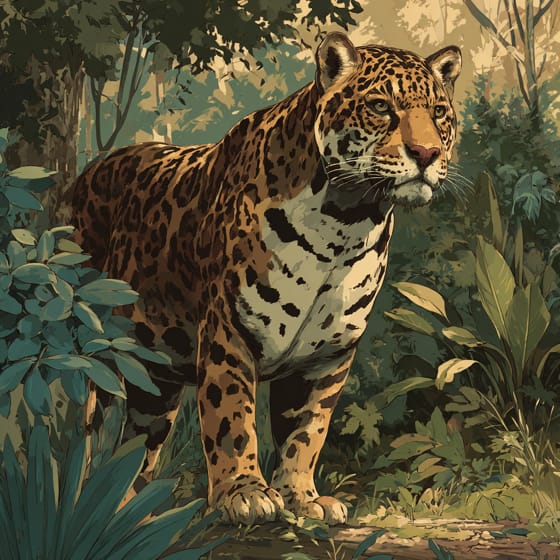
Panthera onca
A primary predator
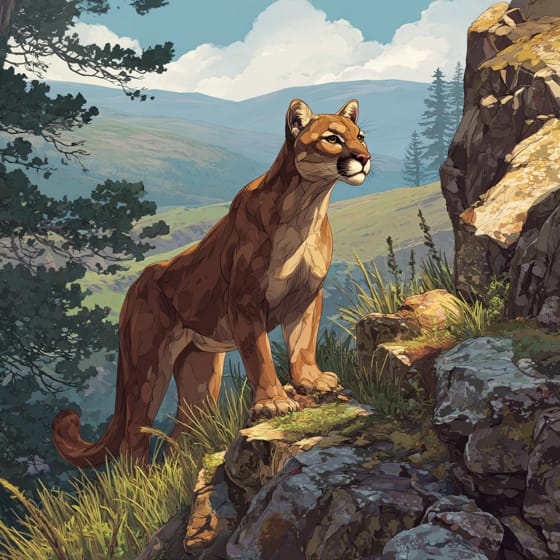
Puma concolor
Hunts these armadillos
Formica rufa
A common food source
Cornitermes cumulans
Eats these termites
Marcado con manchas o parches de un color diferente.
Los animales solitarios viven solos durante la mayor parte de su vida y solo interactúan con otros para aparearse o cuidar de sus crías.
Los animales excavadores cavan túneles y cámaras en el suelo y utilizan estas estructuras subterráneas para refugiarse, cazar o reproducirse.
Este rasgo identifica a los organismos cuya dieta consiste total o principalmente en tejido animal.

Los animales nocturnos están principalmente activos durante la noche, y suelen descansar o dormir durante el día.
Peligro
0/5 · Sin peligro conocido
Todavía no hay notas especiales de seguridad.
55-75 cm
3-6.5 kg
10-15 años
18 km/h
These omnivores love to dig for insects, fruits, roots, and even scavenge for bits of carrion.
Grasslands and forests in South America.
Foraging
1-3
Acércate para separar los grupos y explorar dónde se ha fotografiado este objeto.
Los snaps recientes aparecerán aquí a medida que se añadan nuevas observaciones.













.jpg&width=800)