.jpg&width=800)





Skimmers
Libellulidae
Skimmers are colorful dragonflies that love to fly over water. They have long bodies and wide wings, making them great at catching insects in the air.
Hábitat: Wetlands
The Skimmers are medium-sized dragonflies, often with a stout body and large, prominent eyes. They display diverse colors, from reds and blues to browns and yellows, sometimes with patterned wings. Their broad, flattened abdomen often helps distinguish them from other dragonfly types.
Categoría
InsectosRareza
Common
Peligro
1/5 · Muy bajo
Snaps
¡Sé la primera persona en hacer un snap!
A Skimmer can snatch a mosquito out of the air and eat it without even landing!
Skimmer babies, called nymphs, live underwater for up to five years before they can fly!
Skimmers are one of the fastest insects, able to fly at speeds up to 45 kilometers per hour!
Some Skimmers are expert long-distance travelers, migrating thousands of kilometers across oceans!
Skimmers have nearly 360-degree vision because their massive compound eyes help them spot prey and predators from almost any direction.
Skimmers can fly forwards, backwards, and hover in mid-air because their four independent wings allow for incredibly precise maneuverability.
Skimmers can quickly devour their prey because they possess strong, serrated mouthparts perfect for tearing up insects mid-flight.
Skimmers are aerial predators, catching and eating other insects right out of the air!
Diferencias por edad: Nymphs hunt aquatic insects and tadpoles underwater, while adults hunt flying insects.
Anopheles gambiae
Reduces mosquito populations, controlling disease.
Rana catesbeiana
Larval skimmers are prey for larger aquatic predators.
Pandion haliaetus
Adult skimmers are sometimes caught by birds.
Los animales solitarios viven solos durante la mayor parte de su vida y solo interactúan con otros para aparearse o cuidar de sus crías.
Las criaturas aéreas pasan una parte importante de su vida en el aire, utilizando el vuelo para diversas actividades como la caza, la migración o la anidación.
Colorido describe a organismos u objetos que exhiben una amplia variedad de colores brillantes y distintivos.
Este rasgo identifica a los organismos cuya dieta consiste principalmente en insectos y otros pequeños invertebrados.

Este rasgo de hábitat identifica especies que se encuentran en humedales, que son áreas de tierra saturadas de agua, ya sea permanente o estacionalmente, e incluyen marismas, pantanos y ciénagas.

Los animales diurnos están activos principalmente durante el día y suelen descansar o dormir por la noche.

Este rasgo identifica a los organismos que exhiben una rapidez excepcional en sus movimientos para cazar, escapar o desplazarse.

Describe organismos que transfieren polen, permitiendo la fertilización y reproducción de las plantas.
Todavía no hay alias listados.
Peligro
1/5 · Muy bajo
Skimmers are harmless, but it's best to watch them from a distance.
40-110 mm
25-90 mm
30-180 días
45 km/h
Skimmers are aerial predators, catching and eating other insects right out of the air!
Wetlands
Pursuit
6
Acércate para separar los grupos y explorar dónde se ha fotografiado este objeto.
Los snaps recientes aparecerán aquí a medida que se añadan nuevas observaciones.
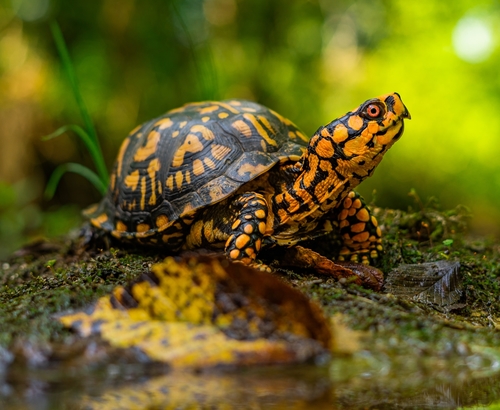
Virginia, US
Puedes ver Tortuga De Caja Oriental, Sicómoro y Grape Family.
Ver guía →
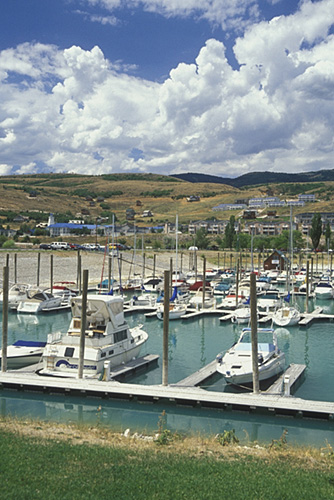
Utah, US
Puedes ver Barnacla Canadiense y Redstem Stork's-Bill.
Ver guía →
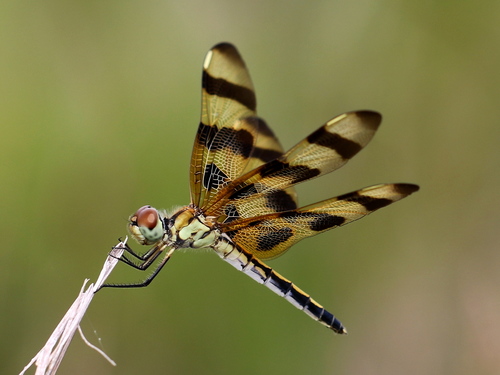
South Carolina, US
Puedes ver Skimmers, Bull Thistle y Soft Rush.
Ver guía →
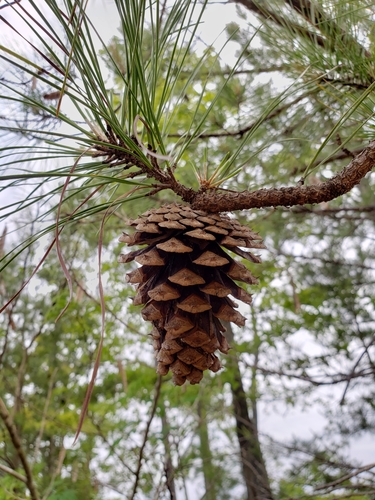
Virginia, US
Puedes ver Loblolly Pine, Fox Grape y Sensitive Fern.
Ver guía →




_focus_stacking-20230503-RM-151903.jpg&width=800)