






Small-Flower Beardtongue
penstemon procerus
The Small-Flower Beardtongue is a beautiful plant with tiny, colorful flowers that attract bees and butterflies! It grows in sunny places and adds splashes of color to gardens and wild areas.
Hábitat: Dry, rocky areas and open fields with plenty of sunlight.
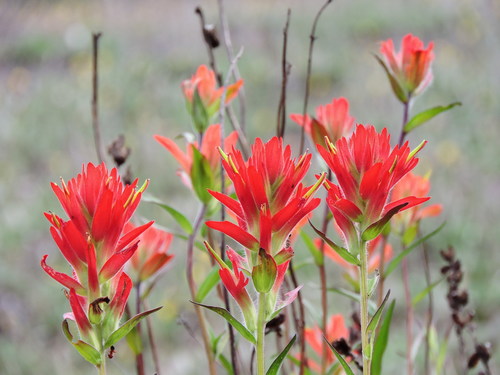
The Small-Flower Beardtongue has slender stems topped with clusters of tiny, tubular flowers, typically vibrant blue, purple, or sometimes pink. Each delicate bloom measures less than two centimeters, forming dense spikes that make it distinct from other beardtongues with larger flowers.
Categoría
PlantasRareza
Common
Peligro
0/5 · Sin peligro conocido
Snaps
¡Sé la primera persona en hacer un snap!
It thrives in tough, rocky mountain soils where many other plants struggle to grow!
Its bright blooms can carpet entire high-altitude meadows with a sea of purple and blue!
Some Native American tribes used this plant for traditional medicinal purposes, like treating coughs.
The 'beardtongue' name comes from a fuzzy, sterile stamen resembling a tiny tongue inside each flower.
Small-Flower Beardtongue has tough roots that can survive harsh winters and dry spells, helping it regrow year after year.
Its small, brightly colored flowers clustered on tall stalks act as a clear signal, efficiently attracting tiny bees and hoverflies.
This plant produces many tiny seeds that can lie dormant for years, waiting for the perfect conditions to sprout and grow.
Bombus bifarius
Collects nectar and pollen from its tubular flowers

Archilochus alexandri
Sips nectar, aiding in pollen transfer between plants
Odocoileus hemionus
Browses on the leaves and stems, especially new growth
Apis mellifera
Visits flowers for nectar, contributing to reproduction
Colorido describe a organismos u objetos que exhiben una amplia variedad de colores brillantes y distintivos.
Este rasgo caracteriza a los organismos cuya dieta consiste total o principalmente en material vegetal.
Los hábitats de pastizales son biomas terrestres dominados por pastos y plantas herbáceas, que sustentan a una variedad de animales de pastoreo.
Los animales diurnos están activos principalmente durante el día y suelen descansar o dormir por la noche.

Describe organismos que transfieren polen, permitiendo la fertilización y reproducción de las plantas.
Peligro
0/5 · Sin peligro conocido
Todavía no hay notas especiales de seguridad.
10-50 cm
15-30 cm
0.8-1.5 cm
Late spring to mid-summer
No
Ninguna
Perenne
Insectos
Acércate para separar los grupos y explorar dónde se ha fotografiado este objeto.
Los snaps recientes aparecerán aquí a medida que se añadan nuevas observaciones.





.jpg&width=800)













