

Sminthurinus Minutus
sminthurinus minutus
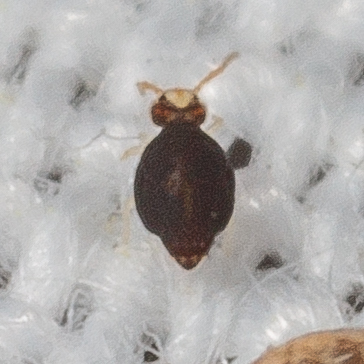
Sminthurinus minutus es un miembro notable, aunque frecuentemente pasado por alto, del micromundo bajo nuestros pies. Perteneciente a los colémbolos globulares (orden Symphypleona), este diminuto hexápodo parece una esfera microscópica y colorida que se escabulle entre las hojas en descomposición. Aunque estrechamente relacionados con los insectos, los colémbolos pertenecen a un linaje distinto conocido como Entognatha, poseyendo piezas bucales internas adaptadas para alimentarse de hongos microscópicos y detritos. Lo que hace a esta especie verdaderamente fascinante es su espectacular método de locomoción y evasión de depredadores. Cuando se siente amenazado, libera un apéndice con resorte escondido debajo de su abdomen, lanzándose al aire en una fracción de segundo. Como componente vital de los ecosistemas del suelo, Sminthurinus minutus ayuda a regular el crecimiento fúngico y descompone la materia orgánica, desempeñando un papel crucial e invisible en el ciclo global de nutrientes.
Hábitat: Se encuentra principalmente en microhábitats húmedos como hojarasca densa, madera en descomposición, suelo húmedo y entre musgos en bosques y jardines templados.
Con apenas 1 milímetro de longitud, Sminthurinus minutus tiene un cuerpo distintivo globular, en forma de lágrima, que carece de alas. Su coloración es a menudo oscura, variando del marrón intenso al púrpura o negro moteado, a veces con sutiles parches más claros que proporcionan camuflaje en el suelo. Presenta un par de antenas prominentes y segmentadas que golpea constantemente contra el sustrato, y ojos simples llamados ocelos visibles como manchas oscuras a los lados de su cabeza. Escondido bajo su abdomen redondeado hay un apéndice bifurcado especializado conocido como fúrcula, que se mantiene bajo tensión por un gancho microscópico (el tenáculo) hasta que se necesita para saltar.
Categoría
AnimalRareza
Común
Peligro
1/5 · Muy bajo
Snaps
¡Sé la primera persona en hacer un snap!
Un Sminthurinus minutus puede acelerar su cuerpo durante un salto más rápido que un parpadeo, experimentando fuerzas G que serían instantáneamente letales para un humano.
A pesar de ser frecuentemente llamados 'pulgas de nieve' o 'bichos de tierra', los colémbolos no son técnicamente insectos; pertenecen a un linaje evolutivo paralelo llamado Entognatha.
Son tan excepcionalmente diminutos que cientos de ellos podrían caber cómodamente en la superficie de una pequeña moneda.
Mudan su piel (ecdysis) durante toda su vida, incluso después de alcanzar la madurez sexual, lo cual es una característica rara en el mundo de los artrópodos.
Se alimenta principalmente de materia orgánica en descomposición, hifas fúngicas y organismos microscópicos en el suelo.
Diferencias por edad: Las ninfas consumen exactamente los mismos tipos de alimentos que los adultos, simplemente dirigiéndose a partículas de menor tamaño.
Aún no hay insignias de rasgos asignadas a este objeto.
Todavía no hay alias listados.
Las colecciones para este objeto aparecerán aquí a medida que se añadan más temas.
Peligro
1/5 · Muy bajo
Todavía no hay notas especiales de seguridad.
Empieza por la forma del cuerpo, las patas o aletas, el pelo, las plumas o las escamas y las marcas más llamativas. Después valora el tamaño, el hábitat y el lugar donde lo viste. Las crías y los pelajes de temporada pueden verse muy distintos de los adultos que conoces. Identificador de animales: sube una foto y compara los detalles visibles.
0 cm
1e-8-5e-8 kg
0-1 años
Se alimenta principalmente de materia orgánica en descomposición, hifas fúngicas y organismos microscópicos en el suelo.
Se encuentra principalmente en microhábitats húmedos como hojarasca densa, madera en descomposición, suelo húmedo y entre musgos en bosques y jardines templados.
Búsqueda De Alimento
5-40
Acércate para separar los grupos y explorar dónde se ha fotografiado este objeto.
Los snaps recientes aparecerán aquí a medida que se añadan nuevas observaciones.
Llévate el descubrimiento
Haz una foto con Snappit, identifica la especie y guarda el hallazgo en tu colección.