






smooth sumac
Rhus glabra
Smooth sumac is a tall shrub with bright green leaves that turn red in the fall. It grows in clusters and can be found in sunny places, making it a beautiful sight in nature.
Hábitat: Open fields
The smooth sumac is a deciduous shrub with smooth, hairless stems and pinnately compound leaves. It has upright, conical clusters of fuzzy red berries and vibrant orange-red fall foliage that truly stands out.
Categoría
PlantasRareza
Common
Peligro
1/5 · Muy bajo
Snaps
¡Sé la primera persona en hacer un snap!
Its name 'sumac' might come from an ancient word meaning 'red', for its fiery fall leaves!
Native Americans used sumac parts for medicine, food, and even dyes for clothing!
Unlike its poisonous cousin, smooth sumac is totally safe and a wild edible!
You can find tiny, tart crystals on its berries, making them taste like natural sour candy!
Smooth sumac can spread by underground roots, forming dense thickets that help it quickly regrow after a fire.
Smooth sumac has deep roots, allowing it to survive and thrive even in dry, rocky soils where other plants struggle.
Smooth sumac has dense clusters of fuzzy red berries, providing a crucial food source for birds during winter months.
Turdus migratorius
Feasts on tart sumac berries, especially in winter.
Odocoileus virginianus
Browses sumac leaves and twigs, particularly when food is scarce.
Apis mellifera
Visits small sumac flowers to collect nectar and pollen.
Bombus impatiens
One of many native bees that pollinate smooth sumac flowers.
Las plantas caducifolias pierden periódicamente todas sus hojas, por lo general durante el otoño o las estaciones secas.
Las plantas ornamentales se cultivan principalmente por su atractivo estético, embelleciendo paisajes y jardines con su atractivo follaje, flores o forma.
Un arbusto es una planta leñosa más pequeña que un árbol, típicamente con múltiples tallos que se ramifican desde o cerca del suelo.
Las plantas frutales producen frutos, que son los ovarios maduros de las plantas con flores que contienen semillas.

Los colores otoñales se refieren al cambio estacional en la pigmentación del follaje, principalmente en plantas de hoja caduca, mostrando tonos vibrantes.

Las plantas comestibles son aquellas partes de una planta que se consideran seguras para el consumo humano.

Describe plantas que son particularmente atractivas y beneficiosas para una amplia variedad de organismos polinizadores.

Los hábitats de pastizales son biomas terrestres dominados por pastos y plantas herbáceas, que sustentan a una variedad de animales de pastoreo.
Todavía no hay alias listados.
Peligro
1/5 · Muy bajo
Avoid eating any berries or plants without asking an adult first.
200-500 cm
100-250 cm
0.2-0.5 cm
Late spring to early summer
Sí
Ninguna
Perenne
Insectos
Acércate para separar los grupos y explorar dónde se ha fotografiado este objeto.
Los snaps recientes aparecerán aquí a medida que se añadan nuevas observaciones.
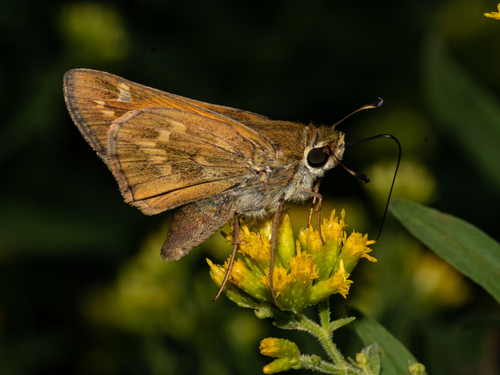
New Jersey, US
Puedes ver Huron Skipper, Garza Azulada y Petirrojo Americano.
Ver guía →

British Columbia, CA
Puedes ver Yellow-Bellied Marmot, Rubber Rabbitbrush y Siberian Elm.
Ver guía →
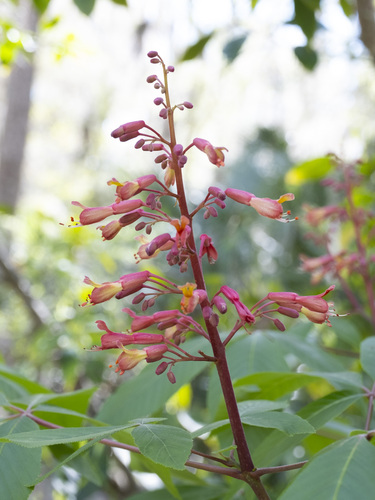
Texas, US
Puedes ver Red Buckeye, American Beautyberry y Pond Slider.
Ver guía →
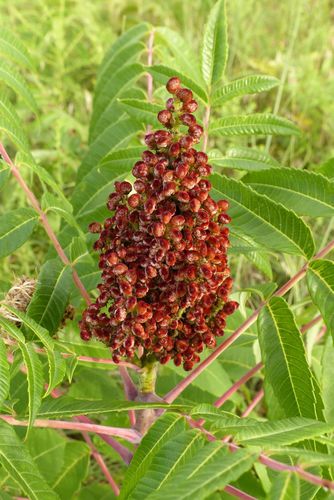
Massachusetts, US
Puedes ver Smooth Sumac, Brambles y Evening Primrose Family.
Ver guía →

















