






Snowbrush Ceanothus
Ceanothus velutinus
The Snowbrush Ceanothus is a lovely shrub with shiny green leaves and beautiful white flowers. It grows in the wild and smells sweet, especially when you touch its leaves!
Hábitat: Mountain regions
The Snowbrush Ceanothus is an evergreen shrub with dark green, glossy, leathery leaves that often feel sticky to the touch. It produces dense, frothy clusters of tiny, fragrant white flowers that blanket its branches, making it look like it's dusted with snow.
Categoría
PlantasRareza
Common
Peligro
1/5 · Muy bajo
Snaps
¡Sé la primera persona en hacer un snap!
Indigenous people once used Snowbrush wood to start fires by rubbing sticks together!
Its name 'Snowbrush' comes from how its white flowers blanket hillsides like fresh snow!
Many animals, like deer and elk, munch on its leaves, especially when other food is scarce!
This plant's shiny, waxy leaves stay green all year, providing food even in winter!
Snowbrush Ceanothus can vigorously re-sprout from its root crown after wildfires, and its seeds often need fire's heat to germinate.
Snowbrush Ceanothus has special root nodules that partner with tiny bacteria to pull nitrogen gas from the air, fertilizing the soil around it.
Snowbrush Ceanothus has thick, waxy leaves that help it store water and reduce moisture loss, allowing it to thrive in dry, sunny places.
Apis mellifera
collects nectar and pollen
Odocoileus hemionus
browses on leaves and twigs
Bombus occidentalis
visits flowers for nectar
Cervus canadensis
grazes on foliage, especially in winter
Las plantas aromáticas producen y emiten compuestos orgánicos volátiles fragantes, a menudo como defensa o para atraer a los polinizadores.
Las plantas con flores son cualquier planta que produce flores como parte de su ciclo reproductivo.
Un arbusto es una planta leñosa más pequeña que un árbol, típicamente con múltiples tallos que se ramifican desde o cerca del suelo.
Las plantas de floración primaveral producen sus flores durante la temporada de primavera, lo que a menudo significa el final del invierno y el comienzo de un nuevo crecimiento.

Las plantas de hoja perenne conservan su follaje durante todo el año, sin perder nunca todas sus hojas a la vez.

Las flores fragantes emiten un aroma agradable, a menudo para atraer polinizadores o como defensa.

Describe plantas que son particularmente atractivas y beneficiosas para una amplia variedad de organismos polinizadores.

Este rasgo de hábitat identifica a las especies que se encuentran en regiones montañosas, caracterizadas por su gran altitud, pendientes pronunciadas y zonas climáticas variables.
Todavía no hay alias listados.
Peligro
1/5 · Muy bajo
Always look but don't touch plants unless you know they're safe.
100-400 cm
100-300 cm
0.5-1 cm
Late spring to early summer
No
Ninguna
Perenne
Insectos
Acércate para separar los grupos y explorar dónde se ha fotografiado este objeto.
Los snaps recientes aparecerán aquí a medida que se añadan nuevas observaciones.

Washington, US
Puedes ver Lagartija Espinosa Del Oeste y Ciervo Mulo.
Ver guía →
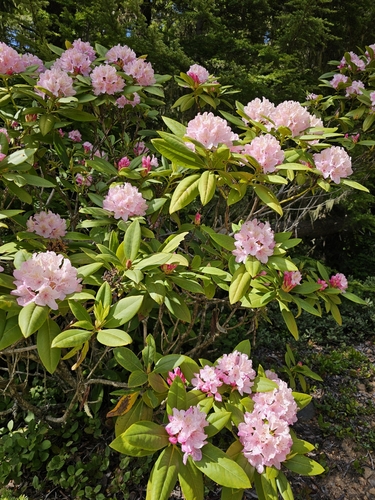
British Columbia, CA
Puedes ver Pacific Rhododendron, Vanilla Leaf y Pacific Trillium.
Ver guía →
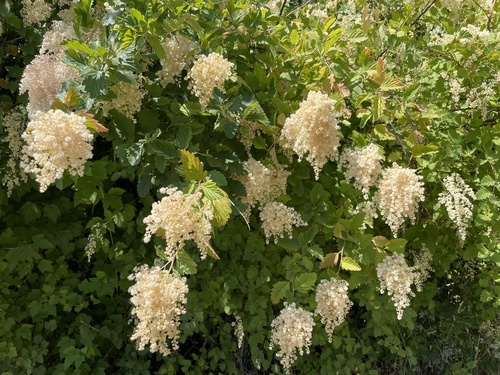
British Columbia, CA
Puedes ver Ocean Spray, Rocky Mountain Woodsia y Prairie Smoke.
Ver guía →
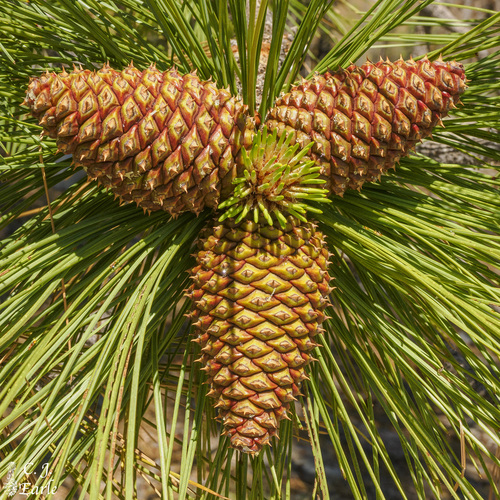
California, US
Puedes ver Jeffrey Pine y Pandora Pinemoth.
Ver guía →











