
.jpg&width=800)





Solitary Sandpiper
Tringa solitaria
The Solitary Sandpiper is a small, wading bird that loves to explore wetlands and muddy shores. With its long legs and spotted belly, it looks for tasty insects and tiny fish to eat.
Hábitat: Wetlands
The Solitary Sandpiper has a dark greenish-brown back speckled with fine white spots, a striking white belly, and a prominent white eye-ring. Its long, dark bill and yellowish-green legs make it distinct among shorebirds, especially its lack of white wing stripes in flight.
Categoría
AvesRareza
Common
Peligro
1/5 · Muy bajo
Snaps
¡Sé la primera persona en hacer un snap!
Its 'solitary' name is from migration, but they gather on wintering grounds.
These birds constantly bob their head and tail like a tiny rhythmic dancer.
They have super long toes for tip-toeing on floating pond plants!
This sandpiper is the only one that nests high up in old tree nests!
Solitary Sandpiper can wade in shallow waters because of its long legs that help them forage in muddy or vegetated wetlands.
Solitary Sandpiper has the unique ability to use old tree nests because it helps them avoid ground predators.
Solitary Sandpiper can blend into its wetland surroundings because of its spotted plumage that helps them hide from predators.
These birds slurp up tiny aquatic insects and other small critters from shallow water and mud!
Chironomus plumosus
Consumes larvae of this common insect from mud and water.
Falco peregrinus
Swift raptors may prey on them during their long migrations.
Turdus migratorius
Uses old abandoned nests of robins for laying eggs.
Describe a los animales, principalmente aves, que poseen una cubierta de plumas.
Marcado con manchas o parches de un color diferente.
Los animales solitarios viven solos durante la mayor parte de su vida y solo interactúan con otros para aparearse o cuidar de sus crías.
Este rasgo identifica a los organismos cuya dieta consiste principalmente en insectos y otros pequeños invertebrados.

Este rasgo de hábitat identifica especies que se encuentran en humedales, que son áreas de tierra saturadas de agua, ya sea permanente o estacionalmente, e incluyen marismas, pantanos y ciénagas.

Los hábitats costeros son entornos dinámicos situados a lo largo de la interfaz entre la tierra y el mar, influenciados por las mareas, las olas y el agua salada.

Los hábitats de agua dulce incluyen entornos acuáticos no salinos como ríos, lagos, estanques y humedales, vitales para numerosas especies.

Este rasgo identifica a los organismos cuya dieta consiste total o principalmente en tejido animal.

Los animales diurnos están activos principalmente durante el día y suelen descansar o dormir por la noche.

Los animales migratorios emprenden movimientos estacionales de una región a otra, típicamente en respuesta a cambios en el clima o la disponibilidad de alimentos.
Todavía no hay alias listados.
Peligro
1/5 · Muy bajo
Always watch birds from a distance so they feel safe and happy.
18-23 cm
39-42 cm
0.031-0.065 kg
4-10 años
60 km/h
These birds slurp up tiny aquatic insects and other small critters from shallow water and mud!
Wetlands
Foraging
Acércate para separar los grupos y explorar dónde se ha fotografiado este objeto.
Los snaps recientes aparecerán aquí a medida que se añadan nuevas observaciones.
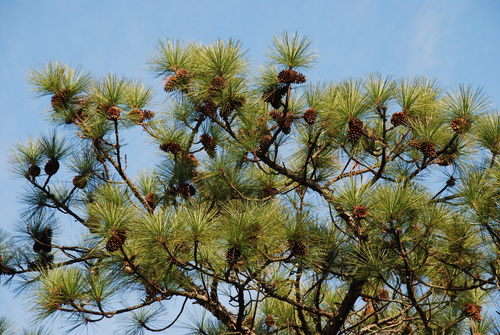
Virginia, US
Puedes ver Pines, Common Milkweed y Sweetbay Magnolia.
Ver guía →
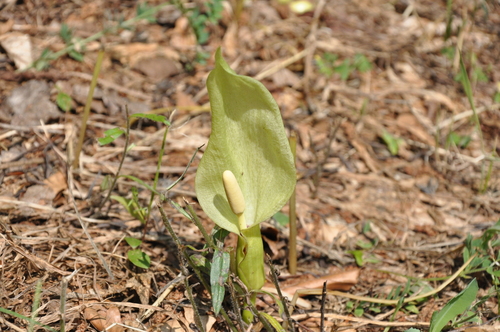
Virginia, US
Puedes ver Italian Arum, Common Mugwort y Japanese Barberry.
Ver guía →
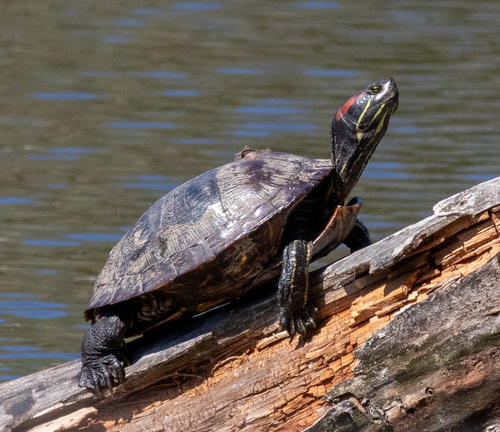
Illinois, US
Puedes ver Pond Slider, Garza Azulada y Black-Crowned Night Heron.
Ver guía →










_Sabine_Woods_TX_2018-04-28_07-15-04_(41479720584).jpg&width=800)
.jpg&width=800)
