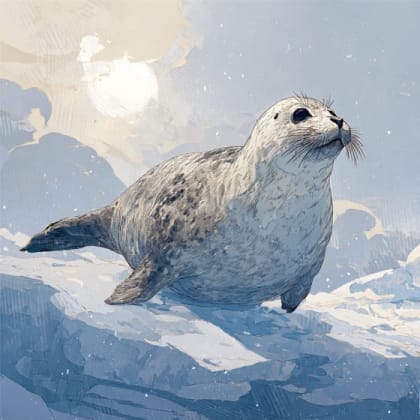
South American Sea Lion
Otaria flavescens
South American sea lions are playful and social animals that love to swim and bask in the sun. They can be found lounging on rocks or beaches, making them a fun sight to see!
Hábitat: Coastal areas
The South American Sea Lion has a robust body, typically reddish-brown or yellowish-brown, with adult males sporting a darker, shaggy mane around their neck. Their large head, often with a flattened snout, and powerful front flippers help them stand out from smaller seal species.
Categoría
MamíferosRareza
Common
Peligro
2/5 · Bajo
Snaps
¡Sé la primera persona en hacer un snap!
Baby sea lions have fluffy, dark fur when born, which changes color as they grow!
Male sea lions grow a thick, shaggy mane, which is why they're called 'sea lions'!
Their long, stiff whiskers are super sensitive, helping them find prey in murky waters!
They can balance on their large flippers and walk on land, unlike many true seals!
South American Sea Lion can dive over 300 feet deep to hunt prey because of their efficient oxygen use.
They have powerful front flippers that help them glide swiftly through the water, chasing agile fish.
A thick layer of blubber helps them stay warm in the chilly ocean waters they call home.
These sea lions are expert hunters, mostly eating seafood like fish, squid, and octopus!
Diferencias por edad: null
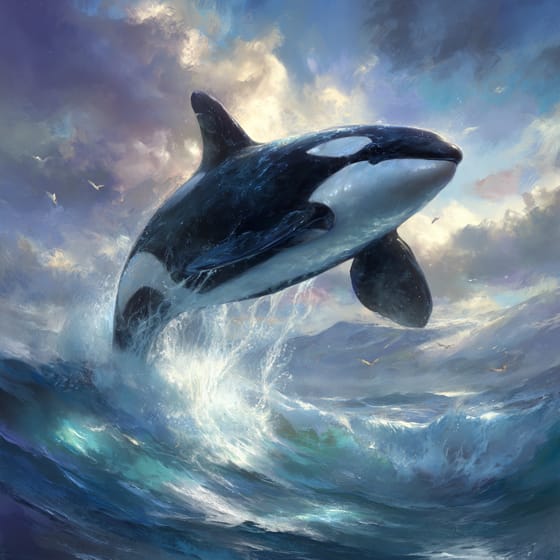
Orcinus orca
Orcas are powerful predators that hunt sea lions.
Carcharodon carcharias
Young and adult sea lions can be prey for large sharks.
Engraulis ringens
A key part of their diet, providing essential nutrients.
Loligo gahi
Sea lions actively hunt these agile cephalopods.
Peludo describe a los animales que poseen una cubierta densa de pelo o pelaje suave.
Los animales sociales viven en grupos organizados, cooperando para obtener beneficios de supervivencia como la búsqueda de alimento, la defensa y la cría de descendencia.
Los organismos piscívoros son animales que subsisten principalmente de una dieta a base de peces.
Los hábitats costeros son entornos dinámicos situados a lo largo de la interfaz entre la tierra y el mar, influenciados por las mareas, las olas y el agua salada.

Este rasgo identifica a los organismos cuya dieta consiste total o principalmente en tejido animal.

Los animales diurnos están activos principalmente durante el día y suelen descansar o dormir por la noche.

Describe una especie cuya presencia y papel tienen un efecto desproporcionadamente grande en su entorno.

Los hábitats marinos abarcan todos los entornos de agua salada de los océanos de la Tierra, sustentando una inmensa diversidad de vida acuática.
Peligro
2/5 · Bajo
Always watch sea lions from a safe distance and never try to touch them.
180-280 cm
140-350 kg
15-20 años
25 km/h
These sea lions are expert hunters, mostly eating seafood like fish, squid, and octopus!
Coastal areas
Pursuit
1
Acércate para separar los grupos y explorar dónde se ha fotografiado este objeto.
Los snaps recientes aparecerán aquí a medida que se añadan nuevas observaciones.