Southern pudu
Pudu puda
The Southern pudu is the smallest deer in the world! They are shy and like to hide in the bushes of the forest. With their tiny size, they are super cute and love to munch on leaves and fruits.
Hábitat: Forests
The Southern pudu is a tiny deer with a stocky body, short legs, and a reddish-brown coat. Males grow small, spiky antlers. Its compact size and dense fur help it navigate thick undergrowth.
Categoría
MamíferosRareza
Rare
Peligro
1/5 · Muy bajo
Snaps
¡Sé la primera persona en hacer un snap!
Male pudus grow small, spiky antlers that they shed and regrow every year.
Southern pudus are excellent at hiding, freezing perfectly still to avoid being seen!
The Southern pudu is the world's smallest deer, barely taller than a common house cat!
When threatened, these tiny deer sometimes blush with bright red cheeks!
Southern pudu has a reddish-brown coat that helps them blend perfectly into the dense undergrowth of their forest home.
Southern pudu can run in a fast zig-zag pattern through thick bushes that helps them lose predators quickly.
Southern pudu can jump onto and over fallen logs that helps them move through cluttered forest floors with ease.
This tiny deer munches on leaves, twigs, fruits, and tasty fungi found in its forest home.
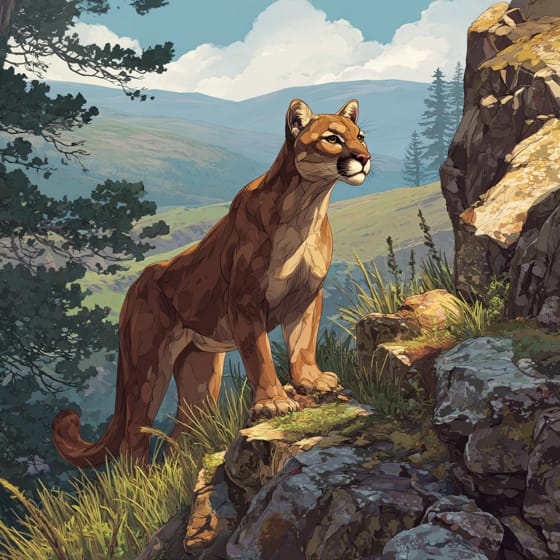
Puma concolor
A primary predator of adult pudu in their habitat.
Lycalopex culpaeus
Hunts young pudu fawns and smaller adults.
Nothofagus dombeyi
Pudu browse on its leaves and bark.
Lactarius deliciosus
Pudu forage for various forest fungi like this one.
Peludo describe a los animales que poseen una cubierta densa de pelo o pelaje suave.
Los animales solitarios viven solos durante la mayor parte de su vida y solo interactúan con otros para aparearse o cuidar de sus crías.
Este rasgo caracteriza a los organismos cuya dieta consiste total o principalmente en material vegetal.
Los hábitats boscosos son entornos terrestres dominados por una densa cubierta arbórea, que sustentan una gran diversidad de vida animal y vegetal.

Relativo a especies que son significativamente más pequeñas que lo típico o promedio de su tipo.

Este rasgo identifica a los organismos que exhiben una rapidez excepcional en sus movimientos para cazar, escapar o desplazarse.

El estado de peligro de extinción indica que una especie corre un riesgo muy alto de extinguirse en estado silvestre en un futuro próximo.
Todavía no hay alias listados.
Peligro
1/5 · Muy bajo
Always watch from a distance and do not try to touch wild animals.
60-85 cm
6.5-13.5 kg
8-10 años
20 km/h
This tiny deer munches on leaves, twigs, fruits, and tasty fungi found in its forest home.
Forests
Foraging
1
Acércate para separar los grupos y explorar dónde se ha fotografiado este objeto.
Los snaps recientes aparecerán aquí a medida que se añadan nuevas observaciones.

Delaware, US
Puedes ver Northern Raven, Abeja y Panda Rojo.
Ver guía →

New York, US
Puedes ver Puma, Coyote y Bisonte Americano.
Ver guía →

California, US
Puedes ver Four-Toed Hedgehog, Military Macaw y Pitón Verde.
Ver guía →












_male_(33106309596).jpg&width=800)