Southern Tamandua
tamandua tetradactyla
The Southern Tamandua is a fascinating animal known for its long snout and strong claws. These clever creatures love to climb trees and are great at finding tasty ants and termites.
Hábitat: They live in tropical forests, grasslands, and savannas across Central and South America.
The Southern Tamandua has a distinctive appearance with a pale yellow or tan body marked by a broad black "vest" pattern across its shoulders and flanks. It features a long, pointed snout, small eyes, and powerful front claws. This creates a striking contrast that makes it easily recognizable.
Categoría
MamíferosRareza
Common
Peligro
1/5 · Muy bajo
Snaps
¡Sé la primera persona en hacer un snap!
Despite poor eyesight, they navigate and find food almost entirely by smell!
Tamanduas communicate with hisses, snorts, and can even let out a surprising roar!
These unique mammals have very few teeth, or sometimes none at all, for their insect diet!
They can stand on their hind legs to appear larger and intimidate potential predators!
Southern Tamandua can climb trees using its strong claws and prehensile tail, which helps them escape predators and find food.
Southern Tamandua has incredibly strong claws that allow them to tear open tough termite mounds and ant nests.
Southern Tamandua can collect insects with their long, sticky tongue because it helps them access hidden prey.
Southern Tamandua has an excellent sense of smell that helps them locate hidden ant and termite nests.
Southern Tamanduas mainly eat ants and termites, using their long, sticky tongues to slurp them up.
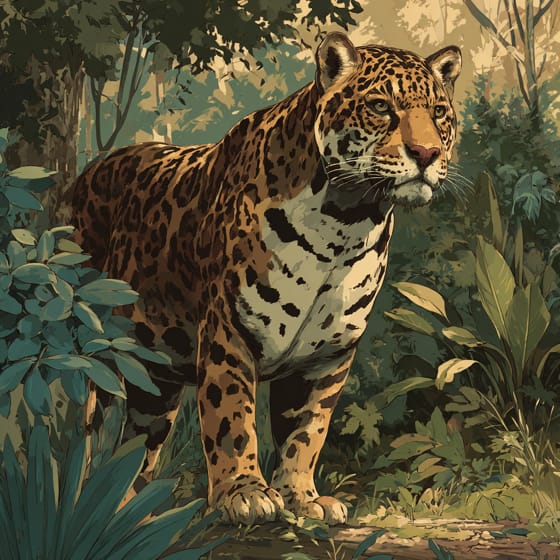
Panthera onca
A powerful predator of tamanduas in the rainforest.
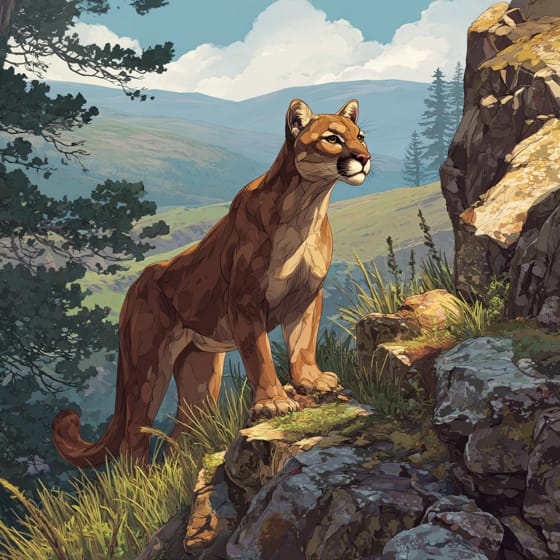
Puma concolor
These big cats prey on tamanduas in various habitats.
Harpia harpyja
Large raptors sometimes catch tamanduas from the trees.
Atta cephalotes
Tamanduas frequently raid nests of various ant species.
Nasutitermes corniger
Tamanduas break into their nests for a nutritious meal.
Peludo describe a los animales que poseen una cubierta densa de pelo o pelaje suave.
Los animales solitarios viven solos durante la mayor parte de su vida y solo interactúan con otros para aparearse o cuidar de sus crías.
Los animales arborícolas viven principalmente en los árboles, utilizándolos como refugio, alimento y protección contra los depredadores.
Este rasgo identifica a los organismos cuya dieta consiste total o principalmente en tejido animal.

Los animales nocturnos están principalmente activos durante la noche, y suelen descansar o dormir durante el día.
Peligro
1/5 · Muy bajo
Todavía no hay notas especiales de seguridad.
71-147 cm
2-7 kg
9-16 años
15 km/h
Southern Tamanduas mainly eat ants and termites, using their long, sticky tongues to slurp them up.
They live in tropical forests, grasslands, and savannas across Central and South America.
Foraging
1
Acércate para separar los grupos y explorar dónde se ha fotografiado este objeto.
Los snaps recientes aparecerán aquí a medida que se añadan nuevas observaciones.