






Spanish Bluebell
hyacinthoides hispanica
The Spanish Bluebell is a beautiful flower that blooms in spring with lovely blue, bell-shaped flowers. Kids love to see them swaying in the breeze in gardens and woodlands!
Hábitat: Spanish Bluebells thrive in woodland areas, gardens, and grassy spaces.
The Spanish Bluebell has upright stems bearing loose clusters of bell-shaped flowers that hang downwards. They are typically bright blue, but can also appear in shades of pink or white, distinguishing them from the deeper blue, nodding flowers of its English cousin.
Categoría
PlantasRareza
Common
Peligro
0/5 · Sin peligro conocido
Snaps
¡Sé la primera persona en hacer un snap!
If you dig them up, their tiny bulbs look just like mini onions!
One tiny bulb can make a whole patch of blue flowers in just a few years!
Their name tells you where they come from: Spain and Portugal!
These tough flowers are great at growing in shady spots under big trees!
Spanish Bluebell can rapidly multiply using underground bulbs, helping it quickly spread into large, colorful patches.
It produces a subtle, sweet fragrance that acts as a signal, drawing busy bees and other insects to its nectar.
Spanish Bluebell has special chemicals in its bulbs and leaves that make it unappetizing to many plant-eating animals.
Apis mellifera
visits flowers for nectar
Bombus terrestris
collects pollen and nectar
Arion vulgaris
consumes leaves and flowers
Colorido describe a organismos u objetos que exhiben una amplia variedad de colores brillantes y distintivos.
Este rasgo caracteriza a los organismos cuya dieta consiste total o principalmente en material vegetal.
Los hábitats boscosos son entornos terrestres dominados por una densa cubierta arbórea, que sustentan una gran diversidad de vida animal y vegetal.
Los animales diurnos están activos principalmente durante el día y suelen descansar o dormir por la noche.

Describe organismos que transfieren polen, permitiendo la fertilización y reproducción de las plantas.
Peligro
0/5 · Sin peligro conocido
Todavía no hay notas especiales de seguridad.
20-50 cm
10-20 cm
1-2 cm
Primavera
No
Moderada
Perenne
Insectos
Acércate para separar los grupos y explorar dónde se ha fotografiado este objeto.
Los snaps recientes aparecerán aquí a medida que se añadan nuevas observaciones.
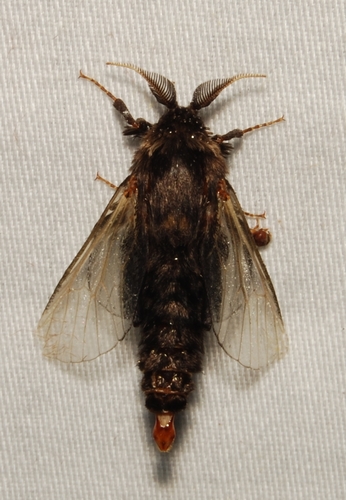
Virginia, US
Puedes ver Evergreen Bagworm Moth, Wild Indigos y Arce Plateado.
Ver guía →
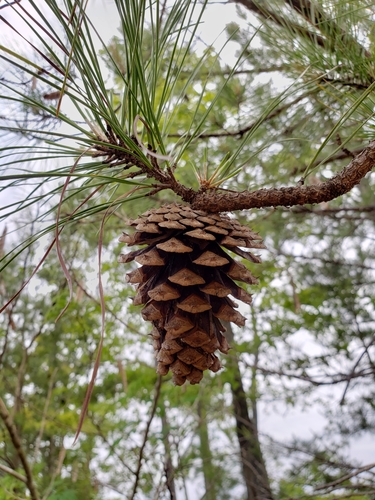
Virginia, US
Puedes ver Loblolly Pine, Fox Grape y Sensitive Fern.
Ver guía →
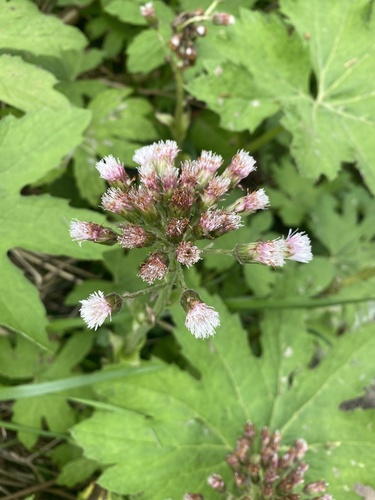
Washington, US
Puedes ver Arctic Butterbur, Red Valerian y American Brooklime.
Ver guía →

















