




Spanish moss
Tillandsia usneoides
Spanish moss is a beautiful, gray-green plant that hangs from trees like soft curtains. It loves warm, humid places and can be found swaying gently in the breeze.
Hábitat: Coastal areas
The Spanish moss has a striking silvery-gray, hair-like appearance, forming long, draping strands from tree branches. Its narrow, scaly leaves are covered in tiny silver scales, giving it a soft, fuzzy texture that easily distinguishes it from true mosses.
Categoría
PlantasRareza
Common
Peligro
1/5 · Muy bajo
Snaps
¡Sé la primera persona en hacer un snap!
Before synthetic materials, people used tons of Spanish moss to stuff furniture, mattresses, and even car seats!
It's an epiphyte, meaning it hangs on trees for support but doesn't take their food or water!
Its tiny flowers are hard to spot, but they release a sweet perfume, especially noticeable in the evenings!
Some tiny creatures, like the Spanish moss mite, live only inside its strands and nowhere else!
Spanish moss can absorb all its water and nutrients directly from humid air and rain, meaning it doesn't need soil to grow!
Its tiny silvery scales help reflect sunlight, protecting it from intense sun and reducing water loss in hot environments.
Its long, tangled strands provide excellent shelter and nesting material for many small animals and birds.

Setophaga dominica
Nests exclusively within its hanging strands.
Lasiurus seminolus
Roosts in its dense, camouflaged clumps.
Hyla cinerea
Hides from predators within the moss.

Amblycorypha oblongifolia
Camouflages itself among the strands.
Describe una planta o estructura anatómica que se inclina o cuelga hacia abajo.
Las plantas ornamentales se cultivan principalmente por su atractivo estético, embelleciendo paisajes y jardines con su atractivo follaje, flores o forma.
Las criaturas aéreas pasan una parte importante de su vida en el aire, utilizando el vuelo para diversas actividades como la caza, la migración o la anidación.
Las plantas de hoja perenne conservan su follaje durante todo el año, sin perder nunca todas sus hojas a la vez.

Este rasgo caracteriza a los organismos con una esperanza de vida excepcionalmente larga en comparación con otros de su especie.

Los hábitats costeros son entornos dinámicos situados a lo largo de la interfaz entre la tierra y el mar, influenciados por las mareas, las olas y el agua salada.

Describe una especie cuya presencia y papel tienen un efecto desproporcionadamente grande en su entorno.
Peligro
1/5 · Muy bajo
Spanish moss is safe to touch, but don't pull it off trees without asking an adult.
100-600 cm
0.3-0.5 cm
Late_spring_to_early_summer
No
Ninguna
Perenne
Viento
Coastal areas
Acércate para separar los grupos y explorar dónde se ha fotografiado este objeto.
Los snaps recientes aparecerán aquí a medida que se añadan nuevas observaciones.
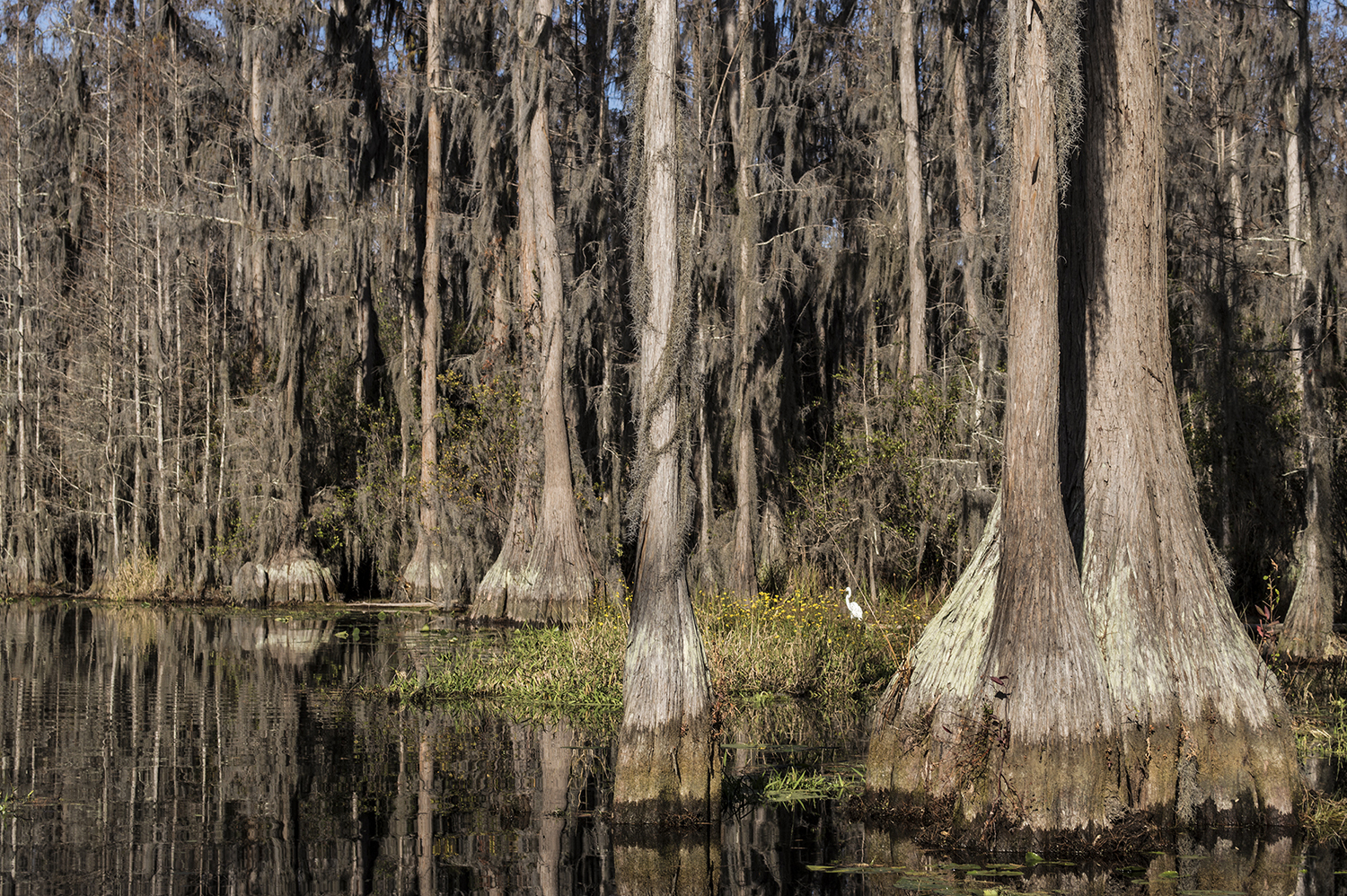
Georgia, US
Puedes ver Caimán Americano, Ciervo De Cola Blanca y Anolis Verde.
Ver guía →

North Carolina, US
Puedes ver Spiny Spikemoss, Laurel De Montaña y Longleaf Pine.
Ver guía →
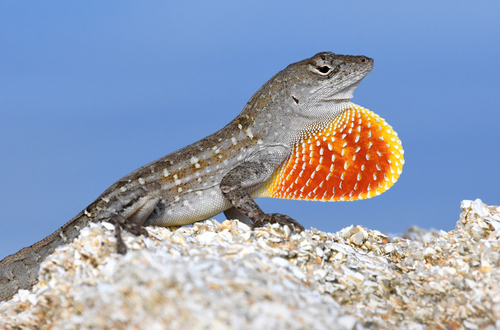
Florida, US
Puedes ver Anolis Castaño, Southern Live Oak y Resurrection Fern.
Ver guía →
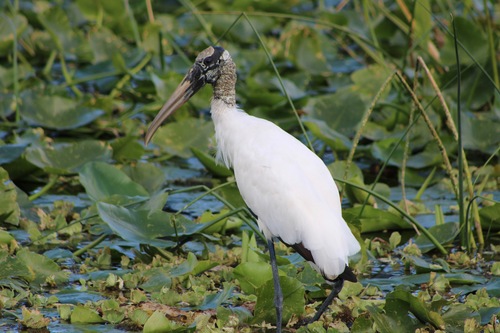
Florida, US
Puedes ver Wood Stork, Anolis Castaño y Taro.
Ver guía →

North Carolina, US
Puedes ver Cipreses Calvos, Southern Cricket Frog y Green Treefrog.
Ver guía →