

Spathoglottis Plicata
spathoglottis plicata
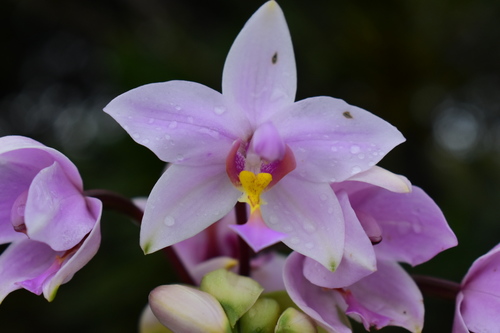
La Spathoglottis Plicata, comúnmente conocida como orquídea terrestre filipina o gran orquídea púrpura, es una orquídea terrestre resistente y asombrosa nativa de los cálidos paisajes tropicales de Asia, el norte de Australia y el Pacífico. A diferencia de muchas de sus parientes orquídeas que crecen en los árboles y dependen de los doseles forestales, esta especie robusta arraiga firmemente en el suelo, lo que le permite colonizar pastizales soleados, bordes de bosques e incluso arcenes alterados con una facilidad notable. Esta adaptabilidad, combinada con sus duraderos y vibrantes racimos de flores, le ha valido un lugar querido en jardines tropicales de todo el mundo. Ya sea creciendo salvaje en sus hábitats nativos o prosperando en paisajes urbanos, esta orquídea es un testimonio de la capacidad de la naturaleza para la belleza vibrante y la resistencia tenaz.
Hábitat: Se encuentra en pastizales abiertos y bañados por el sol, márgenes de bosques y arcenes alterados en todas las regiones tropicales y subtropicales.
Esta orquídea terrestre presenta hojas verdes distintivas, plegadas (plicadas), que crecen hasta 80 centímetros de largo, asemejándose mucho a las hojas jóvenes de palma. Desde el centro de su base bulbosa se elevan altos y erguidos tallos florales que pueden alcanzar hasta un metro de altura. Estos tallos llevan racimos de flores de color púrpura vibrante a rosa, cada una de unos 3 a 5 centímetros de ancho. Las flores se caracterizan por tres sépalos, dos pétalos y un prominente labelo en forma de T, que a menudo está acentuado con marcas amarillas en el centro para guiar a los polinizadores.
Categoría
PlantasRareza
Common
Peligro
1/5 · Muy bajo
Snaps
1
Debido a que produce miles de pequeñas semillas dispersadas por el viento, se ha naturalizado con éxito y a veces se considera una maleza en Florida y Hawái.
El nombre de su especie, 'plicata', significa literalmente 'plegada' o 'doblada', describiendo la característica textura de acordeón de sus largas hojas.
A diferencia de las orquídeas epífitas típicas que crecen suspendidas en las ramas de los árboles, esta especie es estrictamente terrestre y crece directamente en la tierra.
Como fotoautótrofa, esta orquídea sintetiza sus propios azúcares a partir de dióxido de carbono y agua utilizando la luz solar absorbida por su clorofila verde.
Diferencias por edad: Depende completamente de hongos micorrízicos simbióticos para el carbono orgánico durante la germinación de la semilla antes de desarrollar hojas y comenzar la fotosíntesis.
Aún no hay insignias de rasgos asignadas a este objeto.
Las colecciones para este objeto aparecerán aquí a medida que se añadan más temas.
Peligro
1/5 · Muy bajo
Todavía no hay notas especiales de seguridad.
La forma más fácil de identificar a Spathoglottis Plicata es usar la aplicación de identificación de naturaleza Snappit.
30-100 cm
0.2-1 kg
5-15 años
Como fotoautótrofa, esta orquídea sintetiza sus propios azúcares a partir de dióxido de carbono y agua utilizando la luz solar absorbida por su clorofila verde.
Se encuentra en pastizales abiertos y bañados por el sol, márgenes de bosques y arcenes alterados en todas las regiones tropicales y subtropicales.
Acércate para separar los grupos y explorar dónde se ha fotografiado este objeto.

Hawaii, US
Puedes ver Geco Diurno De Polvo De Oro, Star Of Bethlehem y Manto Español.
Ver guía →

Hawaii, US
Puedes ver Spathoglottis Plicata, Pandano De Techo y Anolis Castaño.
Ver guía →
Llévate el descubrimiento
Haz una foto con Snappit, identifica la especie y guarda el hallazgo en tu colección.











.jpg&width=800)



_001.jpg&width=800)




