
.jpg&width=800)





Spotted Cucumber Beetle
Diabrotica undecimpunctata
The Spotted Cucumber Beetle is a small, colorful bug with bright yellow-green skin and black spots. They love to munch on plants, especially cucumbers, making them easy to spot in gardens!
Hábitat: Gardens
The Spotted Cucumber Beetle has a bright greenish-yellow body with eleven distinctive black spots arranged on its wing covers. Its head and legs are typically black. This beetle's slender shape and vibrant spotted pattern make it stand out from other garden insects.
Categoría
InsectosRareza
Common
Peligro
1/5 · Muy bajo
Snaps
¡Sé la primera persona en hacer un snap!
Even with 'cucumber' in their name, they love over 200 different plant types!
Their hungry larvae, called corn rootworms, live underground and munch on plant roots!
These beetles lay hundreds of tiny eggs hidden in the soil near their favorite plants!
They are speedy eaters and can cause serious damage to farmers' crops very quickly!
Spotted Cucumber Beetles have a super strong exoskeleton that helps them protect their soft bodies from bumps and predators.
Spotted Cucumber Beetles can munch through plant leaves and roots because of their strong jaws, helping them get vital nutrients.
Spotted Cucumber Beetles can fly swiftly because of their powerful wings, helping them travel far to find new food sources.
These beetles eat leaves, flowers, and fruits, while their larvae feast on roots underground.
Diferencias por edad: Larvae eat roots underground, while adults feed on leaves, flowers, and fruits above ground.

Cucumis sativus
Adults and larvae feast on the leaves and roots.
Zea mays
Larvae cause significant damage to corn roots.

Cucurbita pepo
They chew holes in leaves and damage fruits.
Podisus maculiventris
This predatory bug will feed on beetle larvae and eggs.
Marcado con manchas o parches de un color diferente.
Los animales solitarios viven solos durante la mayor parte de su vida y solo interactúan con otros para aparearse o cuidar de sus crías.
Colorido describe a organismos u objetos que exhiben una amplia variedad de colores brillantes y distintivos.
Este rasgo caracteriza a los organismos cuya dieta consiste total o principalmente en material vegetal.

Describe plantas que son particularmente atractivas y beneficiosas para una amplia variedad de organismos polinizadores.

Los animales diurnos están activos principalmente durante el día y suelen descansar o dormir por la noche.

Esta característica de hábitat indica especies que pueden coexistir con los humanos en entornos urbanos y suburbanos, utilizando estructuras artificiales y espacios verdes.

Describe organismos que transfieren polen, permitiendo la fertilización y reproducción de las plantas.
Peligro
1/5 · Muy bajo
Don't touch beetles without asking an adult, as some bugs can bite.
5-8 mm
30-90 días
These beetles eat leaves, flowers, and fruits, while their larvae feast on roots underground.
Gardens
Foraging
6
Acércate para separar los grupos y explorar dónde se ha fotografiado este objeto.
Los snaps recientes aparecerán aquí a medida que se añadan nuevas observaciones.
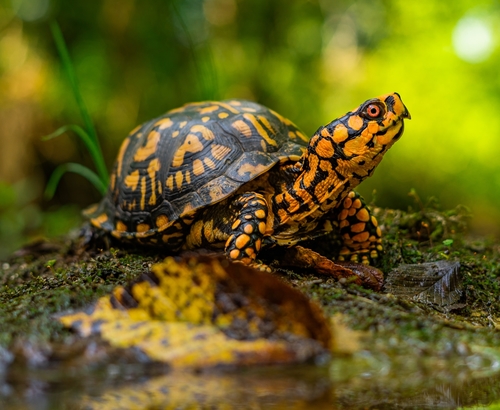
Virginia, US
Puedes ver Tortuga De Caja Oriental, Sicómoro y Grape Family.
Ver guía →
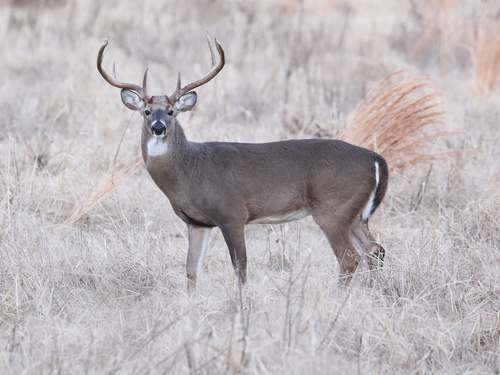
Virginia, US
Puedes ver Ciervo De Cola Blanca, Cardenal Norteño y Zorro Rojo.
Ver guía →
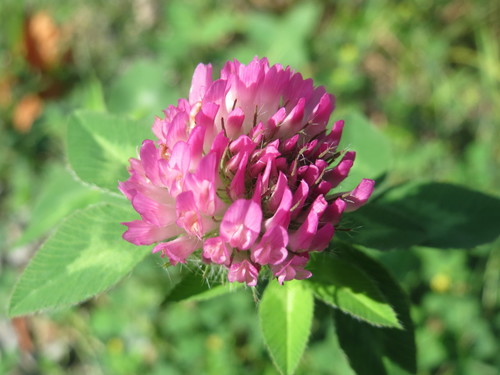
Virginia, US
Puedes ver Red Clover, American Tuliptree y Common Eastern Bumble Bee.
Ver guía →
Virginia, US
Puedes ver Tortuga De Caja Oriental, True Sedges y True Lilies.
Ver guía →







_Enyo_lugubris_MHNT_CUT_2010_0_528_-_La_Mucuy%2C_Venezuela%2C_female.jpg&width=800)



