






Spotted Tussock Moth
Lophocampa maculata
The Spotted Tussock Moth is a fluffy, colorful caterpillar that turns into a beautiful moth. It has soft, fuzzy hairs that can look like little tufts, making it very unique and fun to spot in nature!
Hábitat: Forests
The Spotted Tussock Moth has creamy white to pale yellow wings adorned with striking irregular dark brown or black square-ish spots. Its body is fuzzy and yellowish. The distinct spotting pattern helps it blend into lichen-covered tree bark.
Categoría
InsectosRareza
Common
Peligro
2/5 · Bajo
Snaps
¡Sé la primera persona en hacer un snap!
Adult Spotted Tussock Moths have no mouthparts and never eat!
Its caterpillar stage is so fuzzy it looks like a tiny punk rocker!
Some of its caterpillar hairs can cause an itchy sting if touched!
This moth's larvae sometimes eat plants toxic to other animals!
Spotted Tussock Moth has irritating bristly hairs as a caterpillar that deter predators from touching them.
Spotted Tussock Moth has speckled wing patterns that help them disappear against tree bark, hiding from hungry birds.
Spotted Tussock Moth can spin silk to create a strong cocoon for safe pupation and turning into an adult.
Young caterpillars munch on tree leaves and shrubs to grow big and strong!
Diferencias por edad: Adult moths do not eat, relying on energy reserves from their caterpillar stage.
Salix nigra
a common host plant for its hungry larvae.
Populus tremuloides
its caterpillars munch on the leaves of aspen trees.
Cyanocitta cristata
jays often prey on its caterpillars and moths.
Compsilura concinnata
this fly lays its eggs on the caterpillar host.
Peludo describe a los animales que poseen una cubierta densa de pelo o pelaje suave.
Marcado con manchas o parches de un color diferente.
Los animales solitarios viven solos durante la mayor parte de su vida y solo interactúan con otros para aparearse o cuidar de sus crías.
El camuflaje describe a los organismos que poseen colores o patrones que les permiten mezclarse con su entorno.

Colorido describe a organismos u objetos que exhiben una amplia variedad de colores brillantes y distintivos.

Este rasgo caracteriza a los organismos cuya dieta consiste total o principalmente en material vegetal.

Los hábitats boscosos son entornos terrestres dominados por una densa cubierta arbórea, que sustentan una gran diversidad de vida animal y vegetal.

Los animales diurnos están activos principalmente durante el día y suelen descansar o dormir por la noche.
Todavía no hay alias listados.
Peligro
2/5 · Bajo
Don't touch the fuzzy caterpillars, as their hairs can irritate your skin.
35-45 mm
15-20 mm
7-14 días
Young caterpillars munch on tree leaves and shrubs to grow big and strong!
Forests
Foraging
6
Acércate para separar los grupos y explorar dónde se ha fotografiado este objeto.
Los snaps recientes aparecerán aquí a medida que se añadan nuevas observaciones.

British Columbia, CA
Puedes ver Western Toad, Ghost Pipe y Pacific Coralroot.
Ver guía →
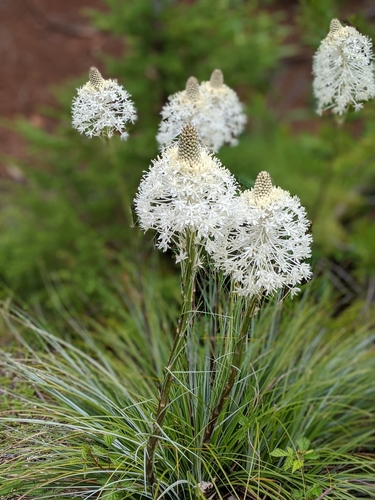
British Columbia, CA
Puedes ver Common Beargrass, Subalpine Larch y Mountain Bog Gentian.
Ver guía →
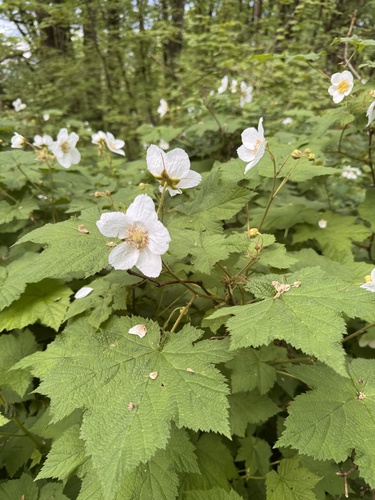
British Columbia, CA
Puedes ver Thimbleberry, Western Redcedar y Red Osier Dogwood.
Ver guía →




.jpg&width=800)

.jpg&width=800)



