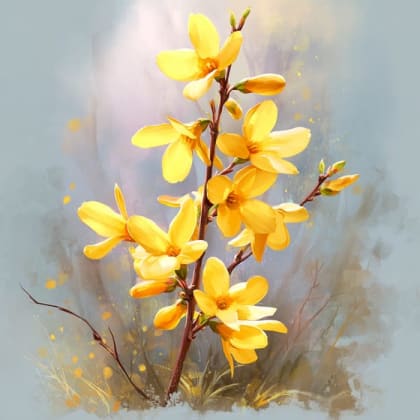
spreading dogbane
Apocynum androsaemifolium
Spreading dogbane is a lovely plant with pretty flowers that attract butterflies. It grows in sunny places and can spread out wide, making it a great addition to gardens.
Hábitat: Grasslands
The spreading dogbane has slender, reddish stems and oval leaves. Its small, bell-shaped flowers are typically pinkish-white, often with darker stripes inside. It usually grows in bushy clumps.
Categoría
PlantasRareza
Common
Peligro
2/5 · Bajo
Snaps
¡Sé la primera persona en hacer un snap!
It's a cousin to milkweed, but without the famous monarch butterfly connection!
Its scientific name means 'away dog,' a nod to its poisonous history!
Its strong fibers were once used by Native Americans to weave twine and fishing nets!
Some tiny caterpillars can eat its toxic leaves without getting sick!
Spreading dogbane has tiny sticky pads inside its flowers that can briefly trap small insects, ensuring good pollination.
This plant creates a milky, toxic sap to deter hungry animals, making it unappetizing to most herbivores.
Spreading dogbane can grow deep underground roots and rhizomes, allowing it to quickly form large, dense patches.
Apis mellifera
visits flowers for nectar
Bombus impatiens
gathers nectar and pollen from blooms
Ceriana abbreviata
mimics a wasp and visits flowers
Las plantas caducifolias pierden periódicamente todas sus hojas, por lo general durante el otoño o las estaciones secas.
Las plantas con flores son cualquier planta que produce flores como parte de su ciclo reproductivo.
Las plantas ornamentales se cultivan principalmente por su atractivo estético, embelleciendo paisajes y jardines con su atractivo follaje, flores o forma.
Las plantas de floración de verano producen sus flores durante la temporada estival, a menudo aportando un color vibrante cuando muchas otras plantas ya han terminado de florecer.

Las flores fragantes emiten un aroma agradable, a menudo para atraer polinizadores o como defensa.

Las plantas de crecimiento rápido exhiben tasas de crecimiento aceleradas, aumentando rápidamente de tamaño y biomasa en un corto período de tiempo.

Describe plantas que son particularmente atractivas y beneficiosas para una amplia variedad de organismos polinizadores.

Los hábitats de pastizales son biomas terrestres dominados por pastos y plantas herbáceas, que sustentan a una variedad de animales de pastoreo.
Todavía no hay alias listados.
Peligro
2/5 · Bajo
Don't eat any part of the plant, as it can be harmful.
30-100 cm
30-90 cm
0.5-1 cm
Late spring to mid-summer
No
Alta
Perenne
Insectos
Acércate para separar los grupos y explorar dónde se ha fotografiado este objeto.
Los snaps recientes aparecerán aquí a medida que se añadan nuevas observaciones.
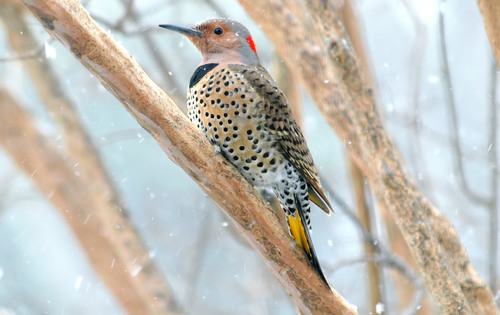
British Columbia, CA
Puedes ver Carpintero Norteño, Pavo Real Común y Red-Breasted Sapsucker.
Ver guía →

Washington, US
Puedes ver Lagartija Espinosa Del Oeste y Ciervo Mulo.
Ver guía →
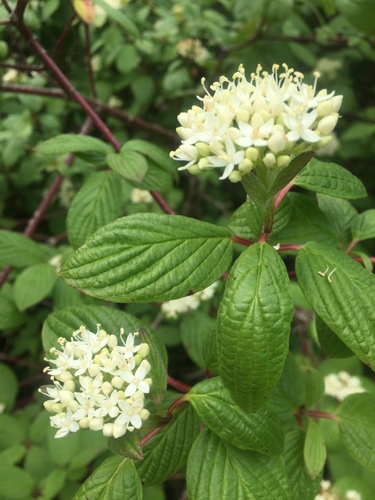
British Columbia, CA
Puedes ver Red Osier Dogwood, Pino Contorta y Common Juniper.
Ver guía →
.jpg)
Manitoba, CA
Puedes ver Canadian Bunchberry, Jack Pine y Abedul Papelero.
Ver guía →
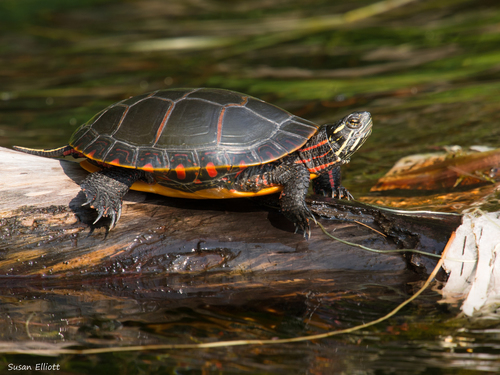
British Columbia, CA
Puedes ver Tortuga Pintada, Solomon's Plume y Saskatoon.
Ver guía →
British Columbia, CA
Puedes ver Tortuga Pintada, Antelope Bitterbrush y Western Tiger Beetle.
Ver guía →