






spruces
Picea
Spruces are tall, evergreen trees with sharp, needle-like leaves. They are often found in cold places and can grow very tall, making them great for climbing and hiding!
Hábitat: Forests
The spruces has sharp, stiff needles that are square in cross-section and individually attached to small woody pegs. Its cones hang downwards from branches, often starting green or purplish before maturing to brown. The bark is typically scaly or furrowed.
Categoría
PlantasRareza
Common
Peligro
1/5 · Muy bajo
Snaps
¡Sé la primera persona en hacer un snap!
Indigenous peoples once chewed spruce resin like gum for its fresh, clean taste and medicinal properties.
Sailors historically brewed spruce beer to prevent scurvy on long voyages, thanks to its Vitamin C.
Spruce wood is prized by instrument makers for its amazing ability to resonate sound in violins!
The world's oldest individual tree, 'Old Tjikko' in Sweden, is an ancient spruce!
Spruces have a distinctive conical shape that helps them shed heavy snow, preventing branch breakage and protecting them.
Its sharp, tough needles have a thick waxy coating to reduce water loss and deter hungry herbivores.
Spruces can produce sticky resin that oozes from wounds, sealing them and protecting against insects and fungi.
Alces alces
Browses on young spruce twigs and needles.
Tamiasciurus hudsonicus
Feeds primarily on spruce seeds from cones.
Choristoneura fumiferana
Larvae defoliate spruce trees, causing damage.
Accipiter gentilis
Often builds large nests in tall, mature spruce trees.
Laccaria bicolor
Forms beneficial mycorrhizal associations with spruce roots.
Las plantas ornamentales se cultivan principalmente por su atractivo estético, embelleciendo paisajes y jardines con su atractivo follaje, flores o forma.
Las plantas coníferas suelen ser de hoja perenne, con agujas o escamas y conos reproductivos.
Las plantas de hoja perenne conservan su follaje durante todo el año, sin perder nunca todas sus hojas a la vez.
Las flores fragantes emiten un aroma agradable, a menudo para atraer polinizadores o como defensa.

Las plantas medicinales poseen compuestos químicos que pueden utilizarse con fines terapéuticos para tratar enfermedades o mantener la salud.

Las plantas resistentes al frío son capaces de soportar bajas temperaturas y condiciones de congelación sin sufrir daños significativos.

Se refiere a la madera que ha sido preparada para su uso en la construcción y la carpintería.

Los hábitats boscosos son entornos terrestres dominados por una densa cubierta arbórea, que sustentan una gran diversidad de vida animal y vegetal.

Este rasgo caracteriza a los organismos con una esperanza de vida excepcionalmente larga en comparación con otros de su especie.

Describe una especie cuya presencia y papel tienen un efecto desproporcionadamente grande en su entorno.
Todavía no hay alias listados.
Peligro
1/5 · Muy bajo
Be careful around tall trees and watch for falling branches during strong winds.
1000-6000 cm
300-1000 cm
Sí
Ninguna
Perenne
Viento
Forests
Acércate para separar los grupos y explorar dónde se ha fotografiado este objeto.
Los snaps recientes aparecerán aquí a medida que se añadan nuevas observaciones.

Massachusetts, US
Puedes ver White Mulberry, Paloma Huilota y Eastern Black Carpenter Ant.
Ver guía →
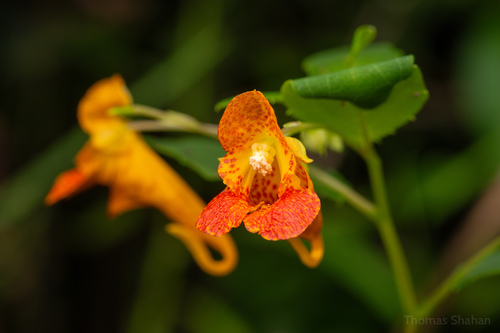
Virginia, US
Puedes ver Common Jewelweed, Willow Oak y American Jumpseed.
Ver guía →
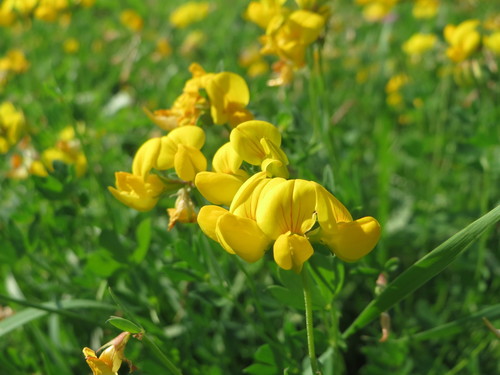
Ontario, CA
Puedes ver Bird's-Foot Trefoil, Dandelions y Bellflowers.
Ver guía →
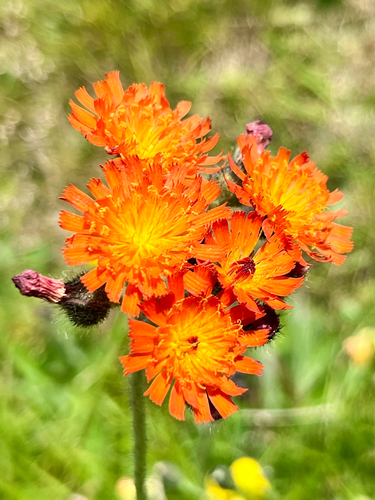
British Columbia, CA
Puedes ver Orange Hawkweed, Shinyleaf Meadowsweet y Columbia Lily.
Ver guía →
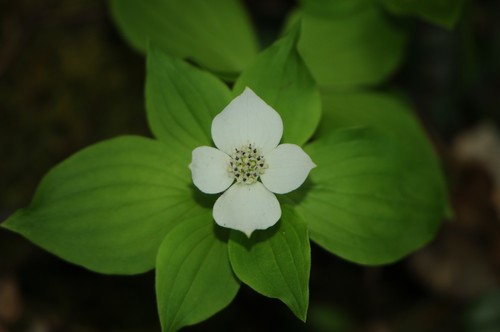
Maine, US
Puedes ver Canadian Bunchberry y águila Pescadora.
Ver guía →

















