

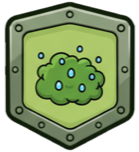




stairstep moss
Hylocomium splendens
Stairstep moss is a soft, green plant that grows in layers, looking like little steps. It loves to live in cool, shady places and can often be found on forest floors.
Hábitat: Forests
The stairstep moss has a distinctive tiered growth pattern, resembling miniature staircases with new growth arising from the middle of previous year's shoots. It typically displays rich green fronds, often with reddish stems, creating a lush, carpet-like appearance on the forest floor.
Categoría
PlantasRareza
Common
Peligro
1/5 · Muy bajo
Snaps
¡Sé la primera persona en hacer un snap!
Each 'step' represents a new year of growth, just like rings on a tree!
Scientists can tell a forest's age by counting the 'steps' on older stairstep moss!
This moss can live for many decades, slowly building up its layered form.
Tiny critters like tardigrades often hide inside its dense, moist cushions.
Stairstep moss can absorb and hold many times its weight in water, which helps it survive dry periods.
Stairstep moss grows new segments annually on top of old ones, helping it slowly spread over obstacles.
Stairstep moss forms dense mats, which helps protect the soil from erosion caused by rain and wind.
Picea mariana
Often forms dense carpets under coniferous trees.

Vaccinium vitis-idaea
Grows alongside understory plants, helping soil moisture.
Formica rufa
Provides damp, sheltered microhabitats for small insects.
Este rasgo caracteriza a las plantas que carecen de tejidos vasculares especializados (xilema y floema) para transportar agua y nutrientes.
Las plantas tolerantes a la sombra están adaptadas para crecer y prosperar en áreas con bajos niveles de luz, requiriendo menos luz solar directa.
Los hábitats boscosos son entornos terrestres dominados por una densa cubierta arbórea, que sustentan una gran diversidad de vida animal y vegetal.
Describe a los organismos que descomponen la materia orgánica muerta, reciclando los nutrientes de vuelta al ecosistema.
Todavía no hay alias listados.
Peligro
1/5 · Muy bajo
Always be gentle when touching plants and never eat anything you find outside without asking an adult.
5-20 cm
10-50 cm
No
Ninguna
Perenne
Forests
Acércate para separar los grupos y explorar dónde se ha fotografiado este objeto.
Los snaps recientes aparecerán aquí a medida que se añadan nuevas observaciones.
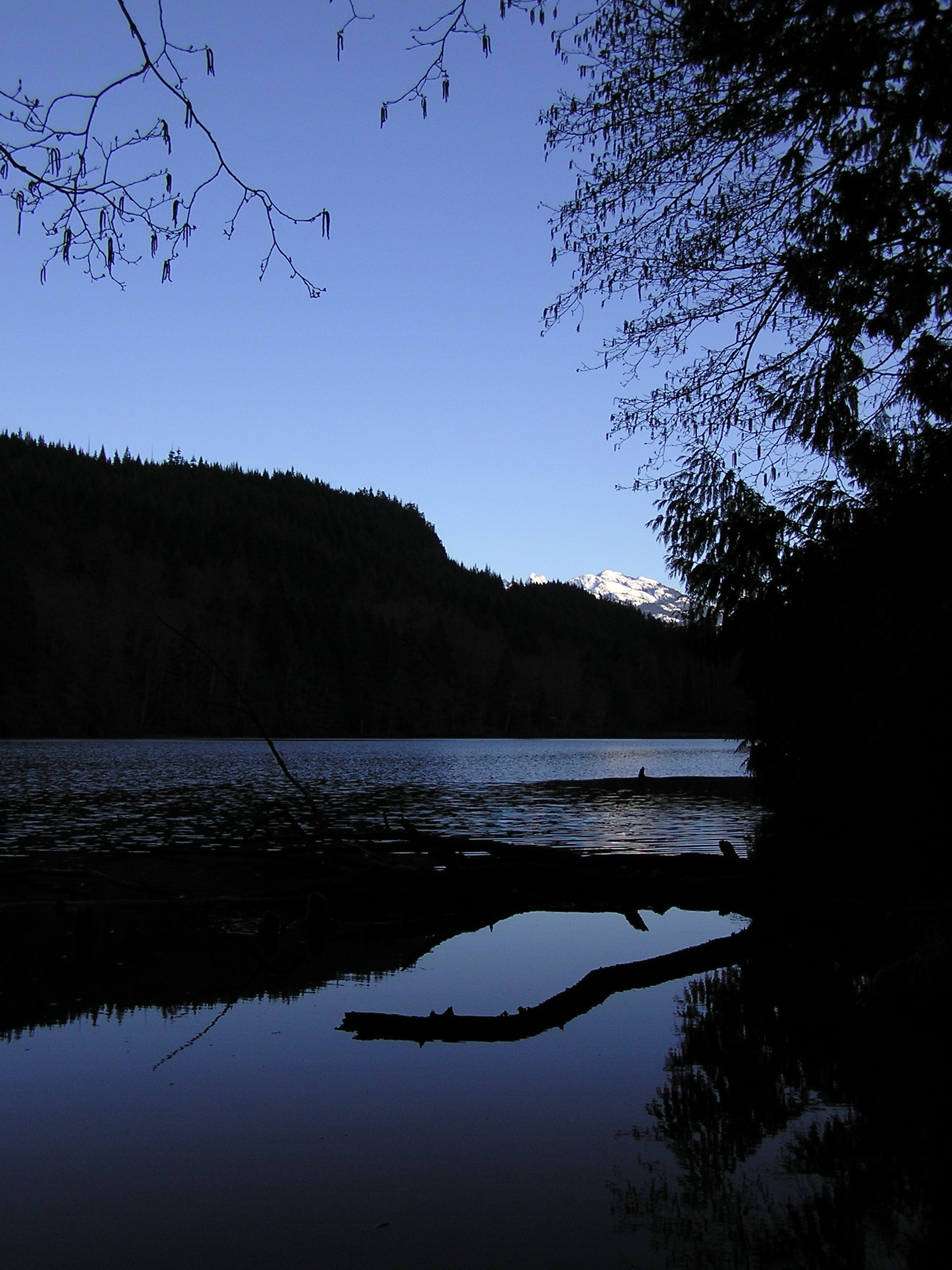
British Columbia, CA
Puedes ver Western Toad, Ghost Pipe y Pacific Coralroot.
Ver guía →

British Columbia, CA
Puedes ver Lettuce Lichen, Giant White Fawn Lily y Pacific Trillium.
Ver guía →

British Columbia, CA
Puedes ver Pipsissewa, Western Rattlesnake Plantain y Salal.
Ver guía →
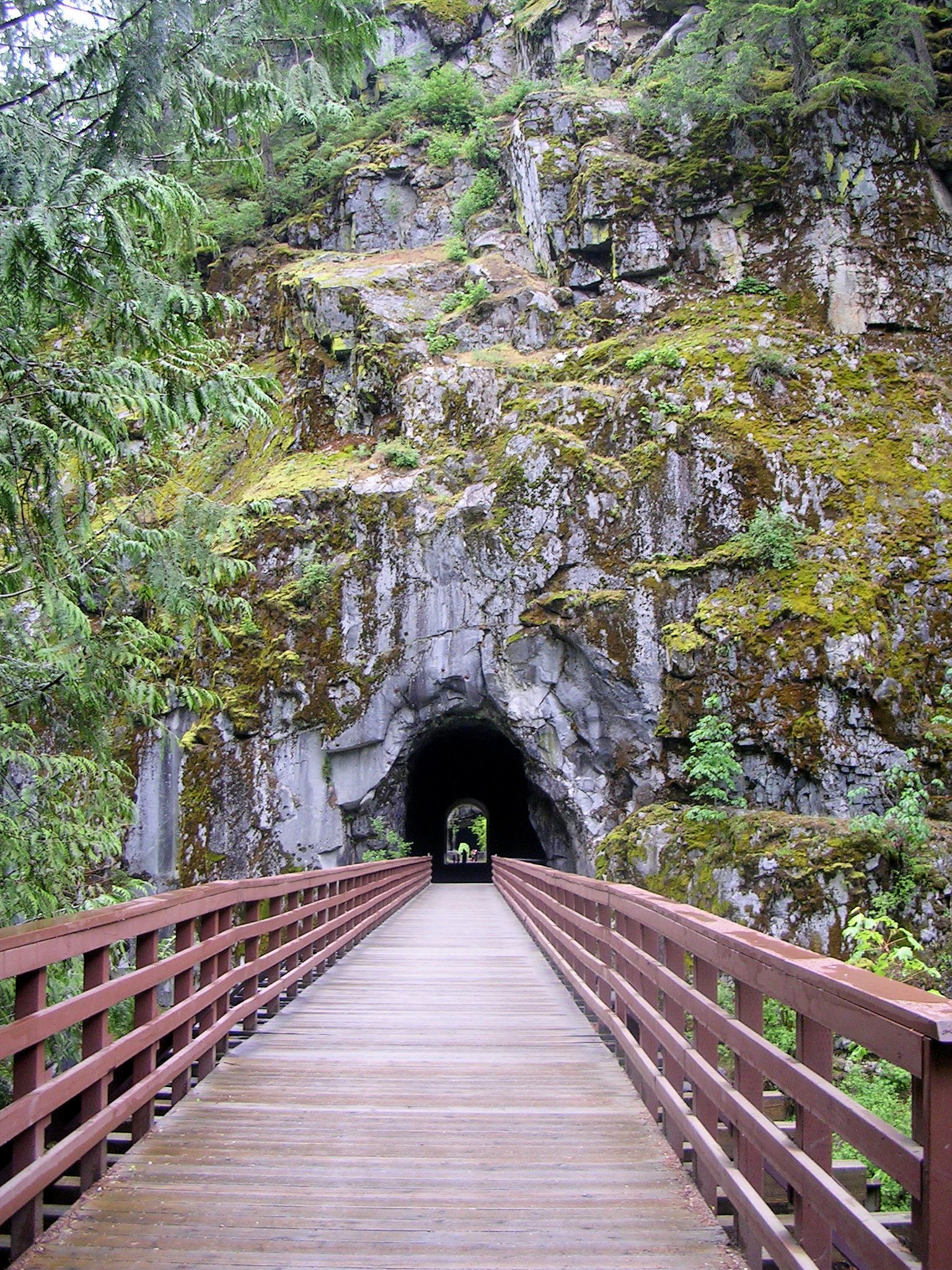
British Columbia, CA
Puedes ver Western Sword Fern, Vine Maple y Thimbleberry.
Ver guía →
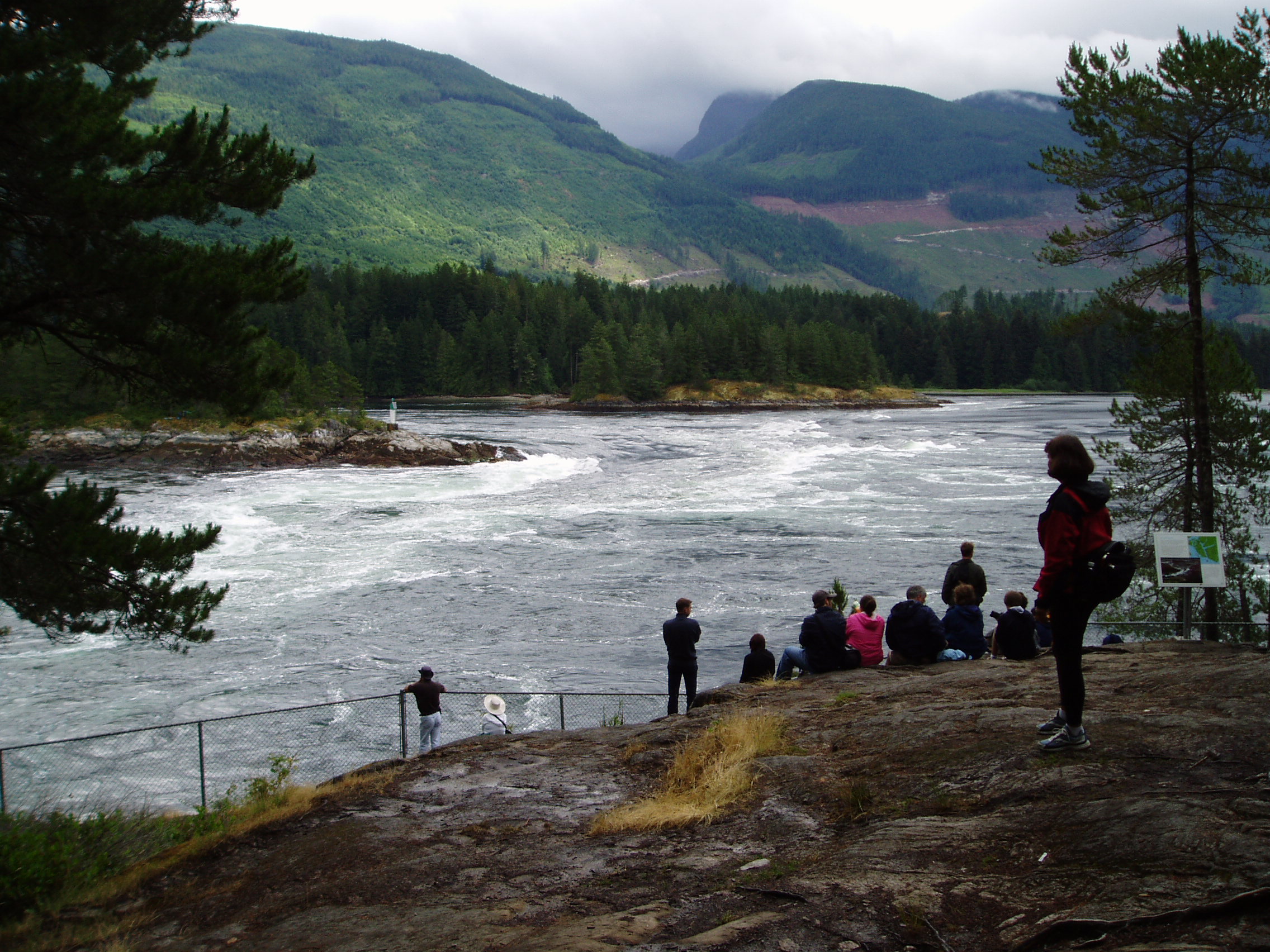
British Columbia, CA
Puedes ver Ochre Sea Star, Aggregating Anemone y Western Starflower.
Ver guía →

British Columbia, CA
Puedes ver Salal, Northern Red Belt y Western Sword Fern.
Ver guía →




_(6804020555).jpg&width=800)













