






star-flowered lily-of-the-valley
Maianthemum stellatum
The star-flowered lily-of-the-valley is a lovely flower that blooms in spring. It has tiny, star-shaped white flowers that look like little stars shining in the forest!
Hábitat: Forests
The star-flowered lily-of-the-valley is a delicate plant with unbranched stems holding 2-4 oval, pointed leaves. It features small clusters of pure white, star-shaped flowers, each with six petals. These flowers are followed by striped green berries that ripen to a translucent, ruby-red.
Categoría
PlantasRareza
Common
Peligro
2/5 · Bajo
Snaps
¡Sé la primera persona en hacer un snap!
Despite its name, it's not a 'true' lily-of-the-valley, but a close relative!
Its scientific name means 'May flower with stars' – how poetic!
The berries start with green stripes, then magically turn a shiny translucent red!
You can find these tiny white stars blooming even in cool, damp forest shade!
Star-flowered lily-of-the-valley can spread through underground stems (rhizomes) that helps it form large colonies.
Star-flowered lily-of-the-valley has broad leaves that help it capture sunlight efficiently in shady forest understories.
Star-flowered lily-of-the-valley produces bright red berries that help it attract birds for seed dispersal.
Turdus migratorius
Eats its ripe red berries
Bombus impatiens
Visits flowers for nectar
Peromyscus maniculatus
Consumes the sweet berries
Las plantas caducifolias pierden periódicamente todas sus hojas, por lo general durante el otoño o las estaciones secas.
Las plantas con flores son cualquier planta que produce flores como parte de su ciclo reproductivo.
Las flores en racimo son inflorescencias donde las flores individuales están dispuestas muy juntas en un tallo común.
Las plantas de floración primaveral producen sus flores durante la temporada de primavera, lo que a menudo significa el final del invierno y el comienzo de un nuevo crecimiento.

Las plantas tolerantes a la sombra están adaptadas para crecer y prosperar en áreas con bajos niveles de luz, requiriendo menos luz solar directa.

Las flores fragantes emiten un aroma agradable, a menudo para atraer polinizadores o como defensa.

Describe plantas que son particularmente atractivas y beneficiosas para una amplia variedad de organismos polinizadores.

Los hábitats boscosos son entornos terrestres dominados por una densa cubierta arbórea, que sustentan una gran diversidad de vida animal y vegetal.
Todavía no hay alias listados.
Peligro
2/5 · Bajo
Do not touch or eat any wild plants without asking an adult first.
15-60 cm
10-30 cm
0.5-1 cm
Primavera
No
Leve
Perenne
Insectos
Acércate para separar los grupos y explorar dónde se ha fotografiado este objeto.
Los snaps recientes aparecerán aquí a medida que se añadan nuevas observaciones.
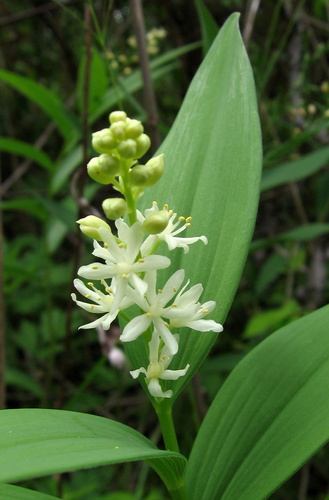
Michigan, US
Puedes ver Star-Flowered Lily-Of-The-Valley y Common Silverweed.
Ver guía →
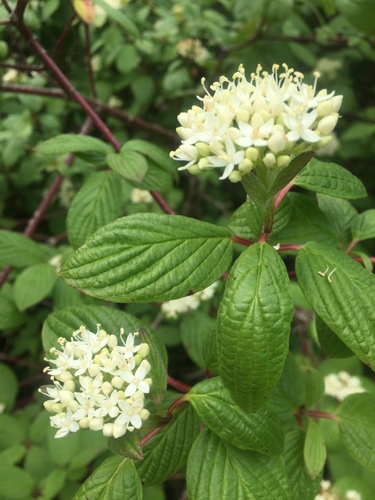
British Columbia, CA
Puedes ver Red Osier Dogwood, Pino Contorta y Common Juniper.
Ver guía →
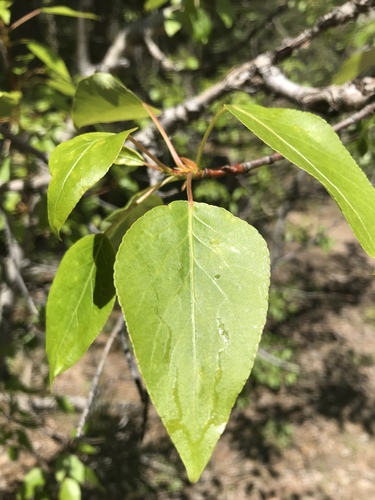
British Columbia, CA
Puedes ver Black Cottonwood, Oregon Grape y Showy Milkweed.
Ver guía →
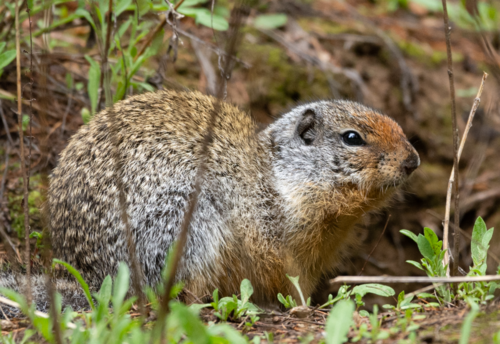
British Columbia, CA
Puedes ver Columbian Ground Squirrel y Spotted Knapweed.
Ver guía →
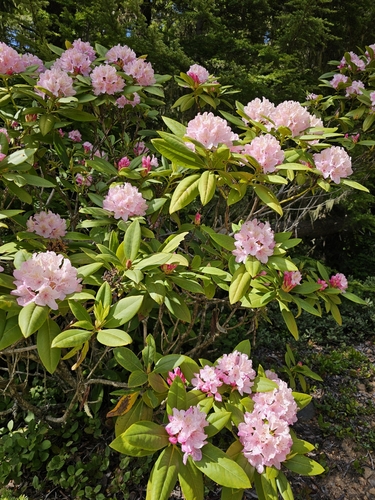
British Columbia, CA
Puedes ver Pacific Rhododendron, Vanilla Leaf y Pacific Trillium.
Ver guía →

Ontario, CA
Puedes ver Golondrina Común y Northern Yellow Warbler.
Ver guía →















