





Steiroxys
Steiroxys
Las Steiroxys son insectos fascinantes que se pueden encontrar en diversos entornos. Tienen formas y colores únicos que les ayudan a camuflarse con su entorno.
Hábitat: Bosques
La Steiroxys es un saltamontes arbustivo robusto, a menudo moteado de verde o marrón para mimetizarse perfectamente con la vegetación. Tiene antenas muy largas y filiformes que pueden duplicar la longitud de su cuerpo, y las hembras lucen un ovipositor prominente en forma de espada en su parte trasera para poner huevos.
Categoría
InsectosRareza
Common
Peligro
1/5 · Muy bajo
Snaps
¡Sé la primera persona en hacer un snap!
Las hembras de Steiroxys usan su ovipositor en forma de espada para poner huevos con precisión en el suelo o en los tallos de las plantas.
¡Muchas especies de Steiroxys no tienen alas o las tienen muy cortas, lo que significa que prefieren caminar o saltar!
Algunas Steiroxys pueden imitar la apariencia de hojas muertas o ramitas para evitar ser comidas.
¡Las 'orejas' de las Steiroxys se encuentran en realidad en sus patas delanteras, justo debajo de sus rodillas!
Las Steiroxys son omnívoras, mordisquean una mezcla de plantas e insectos más pequeños, lo que las convierte en comedoras adaptables.
Aphis fabae
Se alimenta de estos pequeños insectos que se encuentran en las plantas.
Passer domesticus
Depredador aviar común en su hábitat.
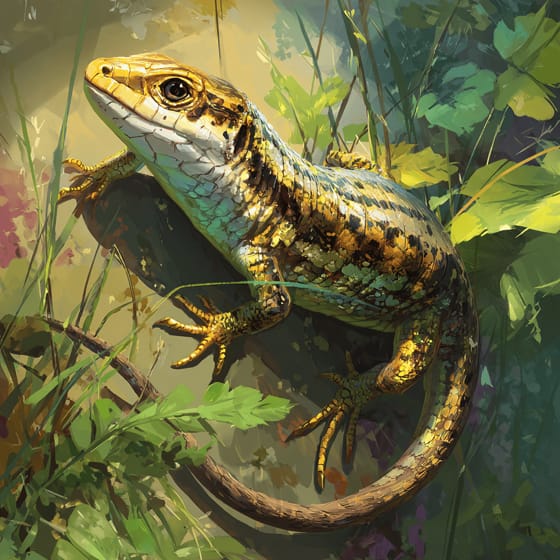
Podarcis muralis
Los lagartos a menudo depredan a estos insectos terrestres.
Pieris brassicae
Depreda las larvas de cuerpo blando de las mariposas.
Los animales sociales viven en grupos organizados, cooperando para obtener beneficios de supervivencia como la búsqueda de alimento, la defensa y la cría de descendencia.
El camuflaje describe a los organismos que poseen colores o patrones que les permiten mezclarse con su entorno.
Colorido describe a organismos u objetos que exhiben una amplia variedad de colores brillantes y distintivos.
Este rasgo caracteriza a los organismos cuya dieta consiste total o principalmente en material vegetal.

Describe plantas que son particularmente atractivas y beneficiosas para una amplia variedad de organismos polinizadores.

Los hábitats boscosos son entornos terrestres dominados por una densa cubierta arbórea, que sustentan una gran diversidad de vida animal y vegetal.

Los animales diurnos están activos principalmente durante el día y suelen descansar o dormir por la noche.

Este rasgo identifica a los organismos que exhiben una rapidez excepcional en sus movimientos para cazar, escapar o desplazarse.

Describe organismos que transfieren polen, permitiendo la fertilización y reproducción de las plantas.
Todavía no hay alias listados.
Peligro
1/5 · Muy bajo
Ten cuidado de no tocar insectos sin preguntar a un adulto, ya que algunos pueden morder.
La forma más fácil de identificar a Steiroxys es usar la aplicación de identificación de naturaleza Snappit.
15-40 mm
60-120 días
Las Steiroxys son omnívoras, mordisquean una mezcla de plantas e insectos más pequeños, lo que las convierte en comedoras adaptables.
Bosques
Forrajeo
6
Acércate para separar los grupos y explorar dónde se ha fotografiado este objeto.
Los snaps recientes aparecerán aquí a medida que se añadan nuevas observaciones.
Llévate el descubrimiento
Haz una foto con Snappit, identifica la especie y guarda el hallazgo en tu colección.







.jpg&width=800)


