





Stretch Spiders
Tetragnatha
Stretch Spiders are long and skinny spiders that love to hang out near water. They have super stretchy legs that help them catch food and move quickly!
Hábitat: Wetlands
The Stretch Spiders has very long, slender bodies and extremely thin legs, often held stretched out. They are typically drab colors like brown, green, or yellow, allowing them to blend seamlessly with vegetation. Their distinctive elongated form sets them apart from most other spiders.
Categoría
InsectosRareza
Common
Peligro
1/5 · Muy bajo
Snaps
¡Sé la primera persona en hacer un snap!
Baby Stretch Spiders often "balloon" through the air on silk threads to new homes.
Some species of Stretch Spiders can even walk on water using surface tension!
Their super long legs make them look like a twig, fooling hungry birds.
They are called "long-jawed orb weavers" because of their prominent mouthparts!
Stretch Spiders can extend their long bodies and legs to mimic twigs or grass stems, helping them hide from predators and prey.
Stretch Spiders can build delicate, horizontal orb webs near water, which helps them catch flying insects efficiently.
Stretch Spiders has incredibly long, flexible legs that allow them to quickly scuttle away or drop from their webs to escape danger.
These spiders mostly eat small flying insects they catch in their sticky webs.
Musca domestica
Catches flies in its sticky orb web.
Passer domesticus
Birds often prey on spiders they find in vegetation.
Argyrodes trigonum
Steals trapped insects from the Stretch Spider's web.
Los animales solitarios viven solos durante la mayor parte de su vida y solo interactúan con otros para aparearse o cuidar de sus crías.
Este rasgo caracteriza a los organismos que construyen elaboradas telarañas de seda para atrapar presas, refugiarse o reproducirse.
El camuflaje describe a los organismos que poseen colores o patrones que les permiten mezclarse con su entorno.
Este rasgo identifica a los organismos cuya dieta consiste principalmente en insectos y otros pequeños invertebrados.

Este rasgo de hábitat identifica especies que se encuentran en humedales, que son áreas de tierra saturadas de agua, ya sea permanente o estacionalmente, e incluyen marismas, pantanos y ciénagas.

Este rasgo identifica a los organismos cuya dieta consiste total o principalmente en tejido animal.
Todavía no hay alias listados.
Peligro
1/5 · Muy bajo
If you see a spider, it's best to watch from a distance and not touch it.
5-15 mm
365-730 días
These spiders mostly eat small flying insects they catch in their sticky webs.
Wetlands
Ambush
8
Acércate para separar los grupos y explorar dónde se ha fotografiado este objeto.
Los snaps recientes aparecerán aquí a medida que se añadan nuevas observaciones.
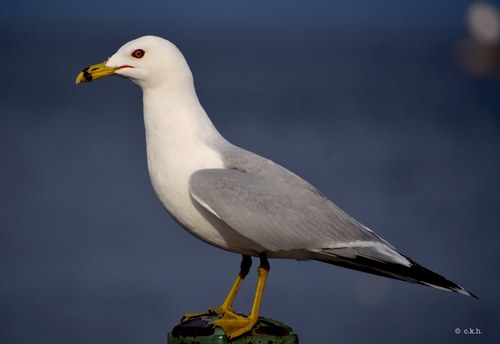
Washington, US
Puedes ver Gaviota De Delaware y Barnacla Canadiense.
Ver guía →
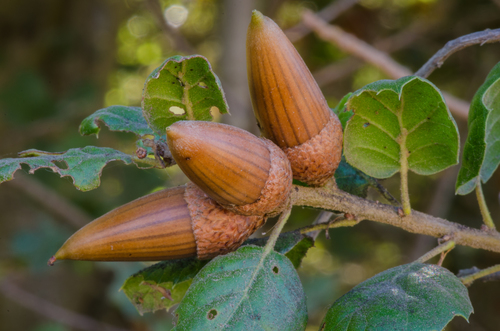
California, US
Puedes ver Coast Live Oak, Lesser Goldfinch y California Scrub-Jay.
Ver guía →

British Columbia, CA
Puedes ver Babosa Banana, Round-Leaved Sundew y Spleenwortleaf Goldthread.
Ver guía →




_Pyrgus_malvoides_-_France_-_male.jpg&width=800)










.jpg&width=800)