.jpg&width=800)





striped maple
Acer pensylvanicum
The striped maple is a small tree with beautiful green leaves and unique striped bark. It loves to grow in shady forests and is a great home for many animals.
Hábitat: Forests
The striped maple is a slender, understory tree easily identified by its smooth, green bark adorned with distinctive white or pale stripes. It has large, three-lobed leaves often compared to a goose's foot, which turn vibrant yellow in autumn. Its overall appearance is quite unique among North American maples.
Categoría
PlantasRareza
Common
Peligro
1/5 · Muy bajo
Snaps
¡Sé la primera persona en hacer un snap!
Indigenous peoples used parts of the striped maple for food and to make various tools or crafts!
Its scientific name, 'pensylvanicum,' means 'from Pennsylvania,' where it was first documented!
Some people call this tree 'goosefoot maple' because its large leaves look like a goose's foot!
The unique 'helicopter' seeds spin as they fall, helping them travel far from the parent tree!
Striped maple has smooth, green-striped bark that can perform photosynthesis, helping it create energy even before its leaves unfurl in spring.
The striped maple can thrive in deep forest shade, using its broad leaves to capture what little sunlight filters through the canopy.
Striped maple has sap that flows early in spring, allowing animals like moose to gain vital nutrients when other food is scarce.
Alces alces
Browses on young twigs, leaves, and bark, especially in winter.
Odocoileus virginianus
Forages on tender leaves and shoots, especially new growth.

Vespula maculifrons
Visits the small, greenish-yellow flowers for nectar and pollen.
Parus atricapillus
Uses its branches for perching, nesting, and foraging for insects.
Marcado con bandas paralelas o líneas de color.
Las plantas caducifolias pierden periódicamente todas sus hojas, por lo general durante el otoño o las estaciones secas.
Las plantas tolerantes a la sombra están adaptadas para crecer y prosperar en áreas con bajos niveles de luz, requiriendo menos luz solar directa.
Los árboles de hoja ancha son angiospermas caracterizadas por hojas planas y anchas que típicamente se caen anualmente en climas templados.

Los colores otoñales se refieren al cambio estacional en la pigmentación del follaje, principalmente en plantas de hoja caduca, mostrando tonos vibrantes.

Las plantas comestibles son aquellas partes de una planta que se consideran seguras para el consumo humano.

Los hábitats boscosos son entornos terrestres dominados por una densa cubierta arbórea, que sustentan una gran diversidad de vida animal y vegetal.
Peligro
1/5 · Muy bajo
Stay on paths when exploring forests and don't touch plants without asking an adult.
500-1500 cm
300-800 cm
0.5-1 cm
Primavera
Sí
Ninguna
Perenne
Insectos
Acércate para separar los grupos y explorar dónde se ha fotografiado este objeto.
Los snaps recientes aparecerán aquí a medida que se añadan nuevas observaciones.
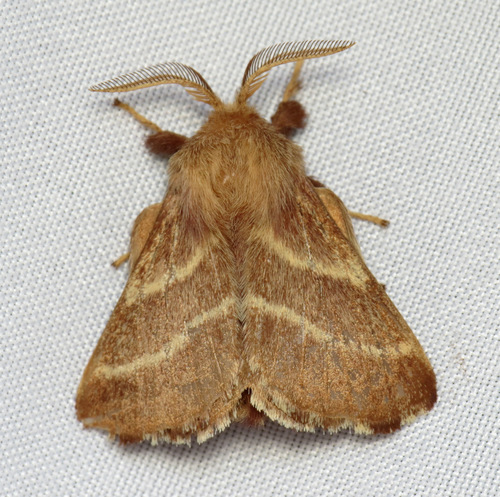
New York, US
Puedes ver Eastern Tent Caterpillar Moth y Common Mugwort.
Ver guía →
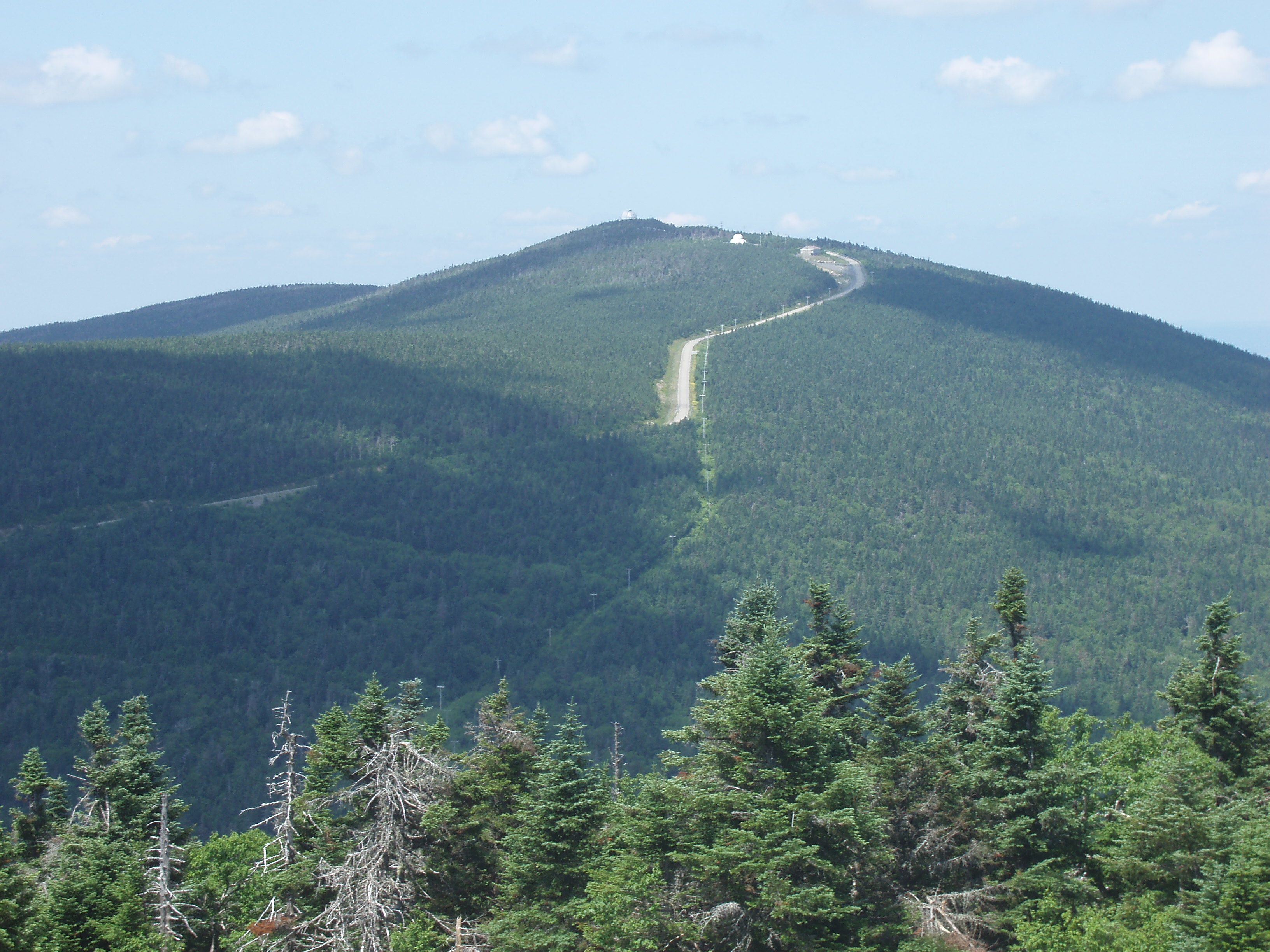
Québec, CA
Puedes ver Canada Jay, Bluebead Lily y Hobblebush.
Ver guía →

Pennsylvania, US
Puedes ver Partridgeberry, Tsuga Del Canadá y Haya Americana.
Ver guía →

Pennsylvania, US
Puedes ver New York Fern, Common Milkweed y True Sedges.
Ver guía →




.jpg&width=800)