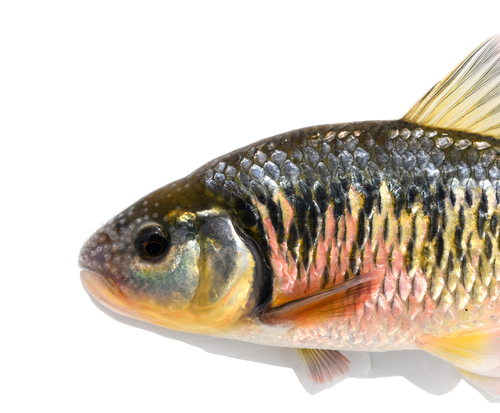


Striped Shiner
luxilus chrysocephalus
The Striped Shiner (Luxilus chrysocephalus) is a highly adaptable and active freshwater minnow native to the clear streams and small rivers of eastern and central North America. Known for the distinctive, dark, zigzagging stripes running along its upper back, this dynamic fish frequently forms large schools in the mid-water columns of stream pools. They play a crucial ecological role by bridging the energy transfer from small aquatic invertebrates and algae to larger predatory fish and riparian birds. What makes the Striped Shiner particularly fascinating is its unique reproductive strategy. Rather than expending energy to build their own nests, they behave as 'nest associates,' opportunistically laying their eggs in the gravel mounds painstakingly constructed by other stream-dwelling fish. During the spring spawning season, the males undergo a dramatic physical transformation, turning from a standard silver to a brilliant rosy hue to attract mates.
Hábitat: Found in the clear, gently flowing pools and sluggish runs of small to medium-sized rivers and streams, typically hovering over substrates of clean gravel, bedrock, or cobble.
This medium-sized minnow typically measures between 10 and 18 centimeters in length. It boasts a deep, laterally compressed body covered in large, highly reflective, silvery scales. Its most defining visual trait is the presence of several dark, parallel stripes along the upper sides and back that converge to form distinct V-shaped patterns just behind the head. The fins are mostly transparent, but during the spring breeding season, males undergo a striking transformation, developing vibrant pink or pale red coloration on their fins, lower body, and snout, alongside prominent, spiky keratinized bumps known as breeding tubercles on their heads.
Categoría
PecesRareza
Common
Peligro
1/5 · Muy bajo
Snaps
¡Sé la primera persona en hacer un snap!
Striped Shiners are considered 'nest parasites' or associates, as they often hijack the hard work of chubs by laying eggs in their carefully constructed gravel mounds.
The V-shaped dark markings on the backs of Striped Shiners look like chevron stripes, giving the species its common name.
To tell a male and female apart in the spring, simply look at their heads: only the males develop a rough 'crown' of tiny keratinized spikes called tubercles.
When a predator approaches, the school moves in unison; their large reflective scales create confusing, flashing bursts of light that make it difficult for predators to target a single fish.
Striped Shiners conserve energy by spawning over the gravel nests built by other fish, relying on the host's nest-guarding behaviors to protect their eggs.
During spawning season, males grow hard, spiky keratin bumps on their heads used for territorial combat and stimulating females during mating.
Their upward-angled vision and mouth placement allow them to expertly detect and quickly strike at terrestrial insects that accidentally fall onto the water's surface.
They are opportunistic feeders that consume a varied diet of aquatic and terrestrial insects, plant material, and detritus.
Diferencias por edad: Juveniles primarily consume microscopic zooplankton and tiny insect larvae, transitioning to larger terrestrial insects and algae as they grow.
Semotilus atromaculatus
Striped Shiners frequently lay their eggs in the nests built and guarded by the Creek Chub, benefiting from the host's parental care.
Micropterus dolomieu
A major predator of the Striped Shiner in shared river habitats.
Hexagenia limbata
An important aquatic food source for the Striped Shiner, especially in their nymph stage.
Aún no hay insignias de rasgos asignadas a este objeto.
Todavía no hay alias listados.
Las colecciones para este objeto aparecerán aquí a medida que se añadan más temas.
Peligro
1/5 · Muy bajo
Todavía no hay notas especiales de seguridad.
La forma más fácil de identificar a Striped Shiner es usar la aplicación de identificación de naturaleza Snappit.
10-18 cm
0.01-0.05 kg
3-6 años
They are opportunistic feeders that consume a varied diet of aquatic and terrestrial insects, plant material, and detritus.
Found in the clear, gently flowing pools and sluggish runs of small to medium-sized rivers and streams, typically hovering over substrates of clean gravel, bedrock, or cobble.
Foraging
500-3000
Acércate para separar los grupos y explorar dónde se ha fotografiado este objeto.
Los snaps recientes aparecerán aquí a medida que se añadan nuevas observaciones.


















.jpg&width=800)