sunshine mimosa
Mimosa strigillosa
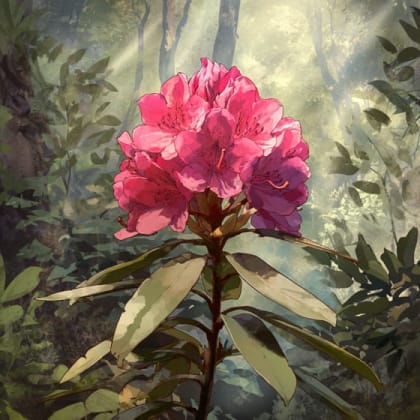
The sunshine mimosa is a cheerful flower that loves to soak up the sun! Its fluffy pink blooms look like little pom-poms and attract butterflies and bees, making it a happy spot in gardens.
Hábitat: Urban areas
The sunshine mimosa is a low-growing plant with delicate, fern-like green leaves. It has distinctive fluffy, spherical flowers that are vibrant pink to purplish. Its spreading habit forms a soft, dense groundcover, unlike taller mimosa species.
Categoría
PlantasRareza
Common
Peligro
1/5 · Muy bajo
Snaps
¡Sé la primera persona en hacer un snap!
Did you know some people call it a 'tickle-me plant' because its leaves react to a gentle touch?
Its fuzzy pink flowers look like tiny exploding stars when they bloom in the sun!
The sunshine mimosa's delicate leaves fold up tightly every evening to 'sleep' for the night!
This tough plant can grow a super long taproot deep into the soil to find precious water!
Sunshine mimosa can rapidly fold its feathery leaves inward when touched, helping it deter hungry critters or protect itself from harsh conditions.
Sunshine mimosa has special root nodules that can convert nitrogen from the air into plant food, enriching the soil for itself and neighbors.
Sunshine mimosa has a creeping, spreading growth habit that helps it quickly cover and stabilize soil, preventing erosion on slopes.
Apis mellifera
visits flowers for nectar and pollen
Danaus plexippus
feeds on the flower nectar
Odocoileus virginianus
grazes on its leaves and stems
Bombus impatiens
collects nectar from its blooms
Las plantas caducifolias pierden periódicamente todas sus hojas, por lo general durante el otoño o las estaciones secas.
Las plantas con flores son cualquier planta que produce flores como parte de su ciclo reproductivo.
Las plantas de floración de verano producen sus flores durante la temporada estival, a menudo aportando un color vibrante cuando muchas otras plantas ya han terminado de florecer.
Las flores fragantes emiten un aroma agradable, a menudo para atraer polinizadores o como defensa.

Las plantas tolerantes a la sequía pueden sobrevivir y florecer en condiciones de escasa disponibilidad de agua.

Las plantas de crecimiento rápido exhiben tasas de crecimiento aceleradas, aumentando rápidamente de tamaño y biomasa en un corto período de tiempo.

Describe plantas que son particularmente atractivas y beneficiosas para una amplia variedad de organismos polinizadores.

Esta característica de hábitat indica especies que pueden coexistir con los humanos en entornos urbanos y suburbanos, utilizando estructuras artificiales y espacios verdes.
Todavía no hay alias listados.
Peligro
1/5 · Muy bajo
Always be gentle when touching plants, and wash your hands after playing outside.
5-30 cm
60-180 cm
1-2 cm
Primavera a otoño
No
Ninguna
Perenne
Insectos
Acércate para separar los grupos y explorar dónde se ha fotografiado este objeto.
Los snaps recientes aparecerán aquí a medida que se añadan nuevas observaciones.