






Surf Scoter
Melanitta perspicillata
The Surf Scoter is a colorful duck that loves to dive for food in the ocean. With its bold black and white feathers, it looks very unique and is often seen in coastal areas during winter.
Hábitat: Coastal areas
The Surf Scoter is a large sea duck. Males are striking all-black with two crisp white patches on the nape and forehead, complemented by a massive, multi-colored bill. Females are dusky brown with subtle pale patches on their cheeks. Their unique bill shape makes them visually distinctive.
Categoría
AvesRareza
Common
Peligro
1/5 · Muy bajo
Snaps
¡Sé la primera persona en hacer un snap!
Ducklings are super independent, leaving the nest almost immediately after hatching.
Their scientific name *perspicillata* means 'spectacled', referring to eye markings!
They form huge flocks, called rafts, of thousands on the ocean during winter!
They nest surprisingly far inland, in the boreal forests near freshwater ponds.
Surf Scoters can dive over 60 feet deep because of their dense bones and powerful legs that propel them, finding food on the ocean floor.
Surf Scoters have a strong, specially adapted bill that helps them crush the hard shells of clams and mussels, making them easy to eat.
Surf Scoters have special glands near their eyes that help them drink saltwater, removing the extra salt from their bodies.
These sea ducks mostly dive to the bottom of the ocean to gobble up tasty clams and mussels!
Diferencias por edad: Young ducklings eat more insect larvae and small crustaceans, changing to shellfish as they grow.
Mytilus edulis
A key food source in coastal habitats.
Mya arenaria
Dug from the seafloor, providing essential energy.
Haliaeetus leucocephalus
Preys on vulnerable adults or juveniles.
Vulpes vulpes
Often targets nests, eggs, and flightless ducklings.
Describe a los animales, principalmente aves, que poseen una cubierta de plumas.
Los animales sociales viven en grupos organizados, cooperando para obtener beneficios de supervivencia como la búsqueda de alimento, la defensa y la cría de descendencia.
Las criaturas aéreas pasan una parte importante de su vida en el aire, utilizando el vuelo para diversas actividades como la caza, la migración o la anidación.
Colorido describe a organismos u objetos que exhiben una amplia variedad de colores brillantes y distintivos.

Los filtradores obtienen nutrientes filtrando partículas de alimentos suspendidos y pequeños organismos del agua.

Los hábitats costeros son entornos dinámicos situados a lo largo de la interfaz entre la tierra y el mar, influenciados por las mareas, las olas y el agua salada.

Este rasgo identifica a los organismos cuya dieta consiste total o principalmente en tejido animal.

Este rasgo identifica a los organismos que exhiben una rapidez excepcional en sus movimientos para cazar, escapar o desplazarse.

Los hábitats marinos abarcan todos los entornos de agua salada de los océanos de la Tierra, sustentando una inmensa diversidad de vida acuática.

Los animales migratorios emprenden movimientos estacionales de una región a otra, típicamente en respuesta a cambios en el clima o la disponibilidad de alimentos.
Todavía no hay alias listados.
Peligro
1/5 · Muy bajo
Always watch birds from a distance and do not try to touch them.
45-56 cm
76-85 cm
0.85-1.2 kg
9-20 años
80 km/h
These sea ducks mostly dive to the bottom of the ocean to gobble up tasty clams and mussels!
Coastal areas
Pursuit
Acércate para separar los grupos y explorar dónde se ha fotografiado este objeto.
Los snaps recientes aparecerán aquí a medida que se añadan nuevas observaciones.
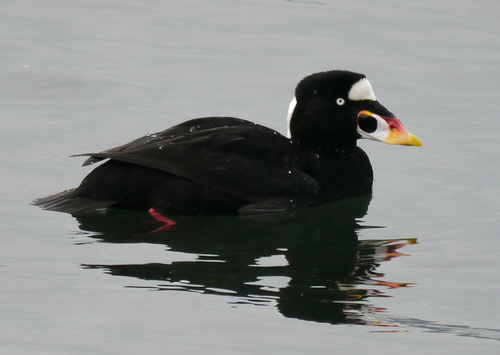
Washington, US
Puedes ver Surf Scoter, Eastern Cottontail y Rosa Silvestre.
Ver guía →

Maryland, US
Puedes ver Bufflehead, Common Goldeneye y Pato.
Ver guía →
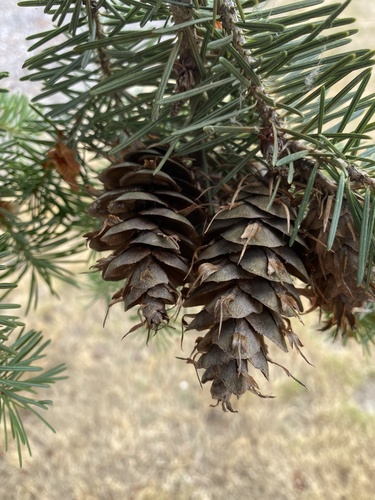
British Columbia, CA
Puedes ver Abeto De Douglas, Pacific Madrone y Tritón De Piel Rugosa.
Ver guía →

British Columbia, CA
Puedes ver Greater Yellowlegs, Glaucous-Winged Gull y Haya Europea.
Ver guía →

British Columbia, CA
Puedes ver águila Calva, Harlequin Duck y Barrow's Goldeneye.
Ver guía →
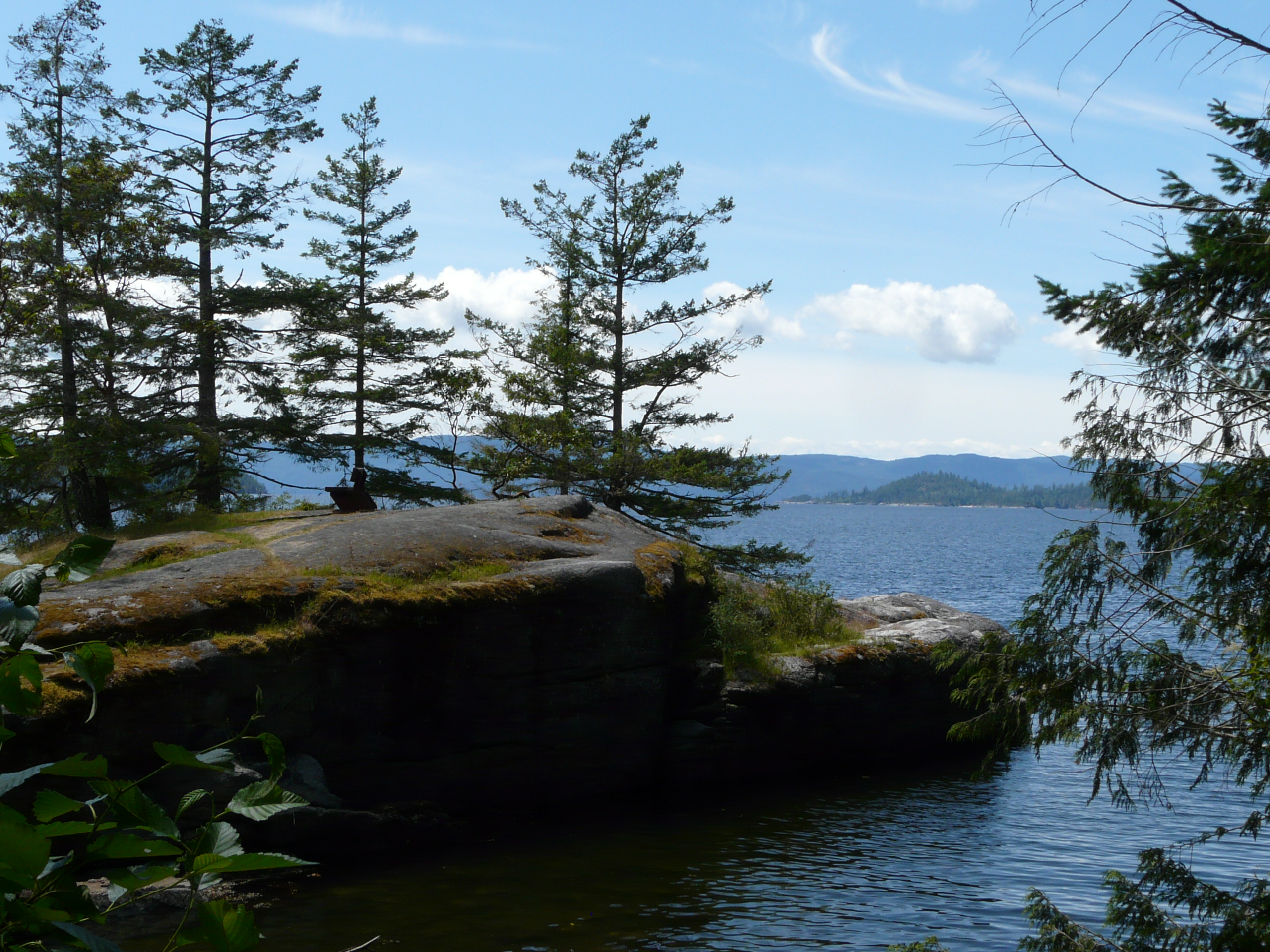
British Columbia, CA
Puedes ver Ochre Sea Star y Yellow Shore Crab.
Ver guía →











.jpg&width=800)

