_-_Guelph%2C_Ontario.jpg&width=800)





swamp milkweed
Asclepias incarnata
Swamp milkweed is a pretty flower that grows in wet areas. Its pink blooms attract butterflies and bees, making it a favorite in gardens and nature spots.
Hábitat: Wetlands
The swamp milkweed has sturdy, upright stems topped with dense clusters of small, star-shaped flowers. Its blooms range from vibrant pink to rose-purple, contrasting with bright green lance-shaped leaves. It visually stands out with its striking color in wet environments.
Categoría
PlantasRareza
Common
Peligro
1/5 · Muy bajo
Snaps
¡Sé la primera persona en hacer un snap!
Its scientific name, *incarnata*, means "flesh-colored," describing its lovely pink blooms.
Monarch butterflies *only* lay their eggs on milkweed plants, making them super important!
Native Americans once used milkweed fibers for strong ropes and nets, and its roots for medicine.
Some clever insects eat its toxic sap and then use the poisons to defend themselves!
Swamp milkweed has a milky, toxic sap that oozes out when damaged, protecting it from most hungry animals.
Swamp milkweed can thrive with its roots in very wet, soggy soil where most other plants would struggle to survive.
Its seeds grow fluffy, silky parachutes that catch the wind, allowing them to travel far and wide.
Danaus plexippus
Its caterpillars exclusively feed on swamp milkweed leaves.
Bombus impatiens
Bumblebees visit the nectar-rich flowers for a sugary snack.
Apis mellifera
Honey bees gather both nectar and pollen from its many blooms.
.jpg&width=800)
Oncopeltus fasciatus
This bug feeds on the sap and developing seeds of the plant.
Las plantas con flores son cualquier planta que produce flores como parte de su ciclo reproductivo.
Las plantas de floración de verano producen sus flores durante la temporada estival, a menudo aportando un color vibrante cuando muchas otras plantas ya han terminado de florecer.
Las flores fragantes emiten un aroma agradable, a menudo para atraer polinizadores o como defensa.
Las plantas medicinales poseen compuestos químicos que pueden utilizarse con fines terapéuticos para tratar enfermedades o mantener la salud.

Colorido describe a organismos u objetos que exhiben una amplia variedad de colores brillantes y distintivos.

Describe plantas que son particularmente atractivas y beneficiosas para una amplia variedad de organismos polinizadores.

Este rasgo de hábitat identifica especies que se encuentran en humedales, que son áreas de tierra saturadas de agua, ya sea permanente o estacionalmente, e incluyen marismas, pantanos y ciénagas.

Describe una especie cuya presencia y papel tienen un efecto desproporcionadamente grande en su entorno.
Peligro
1/5 · Muy bajo
While swamp milkweed is beautiful, it's best to enjoy it from a distance and not touch it too much.
60-150 cm
30-60 cm
0.5-1 cm
Verano
No
Moderada
Perenne
Insectos
Acércate para separar los grupos y explorar dónde se ha fotografiado este objeto.
Los snaps recientes aparecerán aquí a medida que se añadan nuevas observaciones.
.JPG)
Massachusetts, US
Puedes ver Virginia Bluebells y Great Golden Digger Wasp.
Ver guía →
New York, US
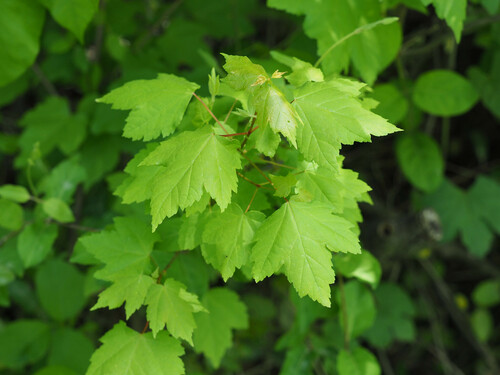
Puedes ver Arce Rojo, Black Tupelo y Sensitive Fern.
Ver guía →

Wisconsin, US
Puedes ver Ciervo De Cola Blanca, Common Eastern Bumble Bee y Pato.
Ver guía →

Pennsylvania, US
Puedes ver Rana Toro Americana, Allegheny Monkeyflower y Partridgeberry.
Ver guía →

New York, US
Puedes ver Common Mugwort, White Snakeroot y Common Eastern Bumble Bee.
Ver guía →

South Dakota, US
Puedes ver Brittle Pricklypear, Eastern Redcedar y Common Cowparsnip.
Ver guía →