.jpg&width=800)





Swamp Rabbit
Sylvilagus aquaticus
Swamp Rabbits are big, fluffy rabbits that love to live in wet areas like swamps and marshes. They are great swimmers and can hop fast to escape from danger!
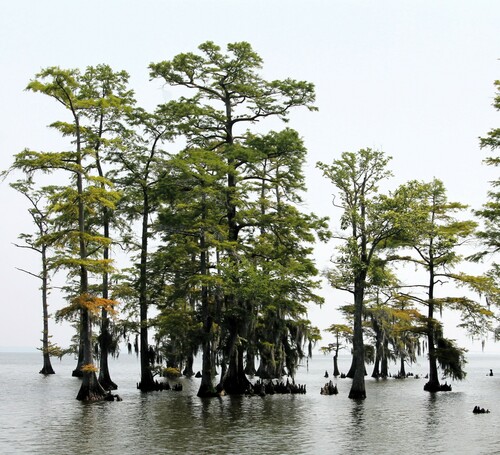
Hábitat: Wetlands
The Swamp Rabbit has coarse, grizzled brown-black fur on its back, a white belly, and a distinctive reddish-brown patch on its hind legs. Its small, dark tail helps distinguish it from other cottontails, and it often appears muddy.
Categoría
MamíferosRareza
Common
Peligro
1/5 · Muy bajo
Snaps
¡Sé la primera persona en hacer un snap!
Eating plants and spreading seeds helps new growth sprout in their wetland homes!
Swamp Rabbits nest in hollow logs or elevated ground, staying safe from floods.
They are sometimes called 'Cane Cutters' because they often live in cane thickets!
They thump their strong hind legs on the ground to warn other swamp rabbits of danger!
Swamp Rabbits can swim and dive expertly using their strong, web-like feet to escape predators in water.
Swamp Rabbits have long, powerful hind legs and large feet that help them leap through muddy, wet environments with ease.
Swamp Rabbits have grizzled brown fur that helps them blend perfectly with the dark, muddy banks of their swamp homes.
These rabbits munch on various leafy plants, grasses, and bark found in their wetland homes.
Alligator mississippiensis
Alligators prey on rabbits in wetland areas.
Lynx rufus
Bobcats hunt swamp rabbits as a food source.
Bubo virginianus
Great Horned Owls are aerial predators of rabbits.
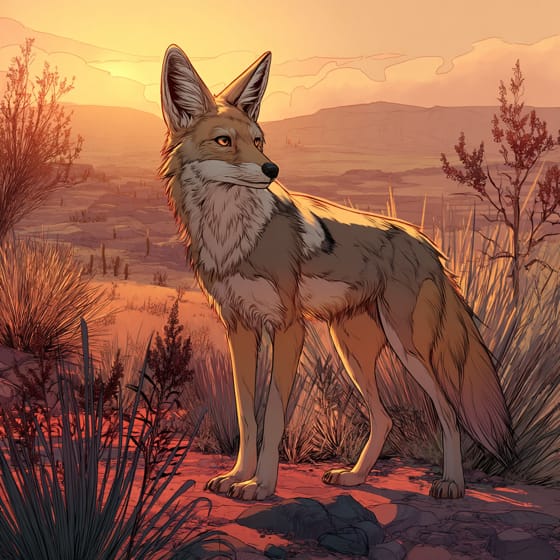
Canis latrans
Coyotes often hunt swamp rabbits for food.
Peludo describe a los animales que poseen una cubierta densa de pelo o pelaje suave.
Los animales solitarios viven solos durante la mayor parte de su vida y solo interactúan con otros para aparearse o cuidar de sus crías.
Este rasgo caracteriza a los organismos cuya dieta consiste total o principalmente en material vegetal.
Este rasgo de hábitat identifica especies que se encuentran en humedales, que son áreas de tierra saturadas de agua, ya sea permanente o estacionalmente, e incluyen marismas, pantanos y ciénagas.

Describe una especie cuya presencia y papel tienen un efecto desproporcionadamente grande en su entorno.

Este rasgo identifica a los organismos que exhiben una rapidez excepcional en sus movimientos para cazar, escapar o desplazarse.
Todavía no hay alias listados.
Peligro
1/5 · Muy bajo
If you see a rabbit, watch quietly from a distance and don't try to touch it.
45-55 cm
1.5-2.7 kg
1-3 años
56 km/h
These rabbits munch on various leafy plants, grasses, and bark found in their wetland homes.
Wetlands
Foraging
1-6
Acércate para separar los grupos y explorar dónde se ha fotografiado este objeto.
Los snaps recientes aparecerán aquí a medida que se añadan nuevas observaciones.




_adult_male_and_juvenile.jpg&width=800)