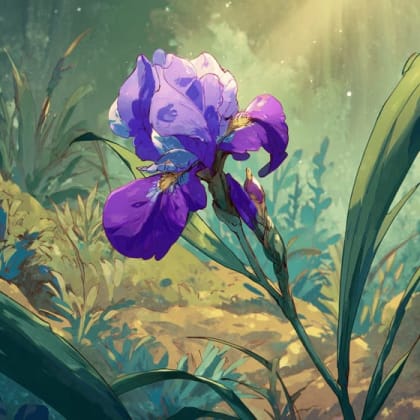




Sweet Alyssum
Lobularia maritima
Sweet Alyssum is a delicate flower with clusters of tiny, fragrant blooms. It attracts butterflies and bees with its sweet scent and bright colors.
Hábitat: Gardens, Coastal areas
The Sweet Alyssum has a sprawling growth habit, creating dense carpets of tiny, four-petaled flowers. These delicate blossoms typically appear in shades of pure white, soft pinks, lavender, and royal purple, often forming a cloud-like display. Its compact clusters make it visually distinct as a delicate groundcover.
Categoría
PlantasRareza
Common
Peligro
1/5 · Muy bajo
Snaps
¡Sé la primera persona en hacer un snap!
Gardeners sometimes call it "Carpet of Snow" because of its dense, white flower clusters!
Its Greek name "Alyssum" means "without madness," as it was once believed to cure rabies!
Its tiny seeds can sprout and grow in surprisingly small cracks, brightening up walls or paths!
Some varieties can actually change color from white to pink or purple as their tiny flowers mature!
Sweet Alyssum releases a strong, sweet fragrance, acting as a beacon to guide insects to its tiny flowers for pollination.
This plant grows low and wide, forming a dense 'living carpet' that helps keep moisture in the soil and suppresses weeds.
Sweet Alyssum can produce tiny blossoms almost continuously for months, ensuring it creates many seeds for new plants.
Apis mellifera
collects nectar and pollen from its flowers.
Episyrphus balteatus
feeds on nectar, helping spread pollen between blossoms.
Hippodamia convergens
uses the plant's nectar and shelter while hunting garden pests.
Las plantas anuales completan todo su ciclo de vida, desde la germinación hasta la producción de semillas, en una sola temporada de crecimiento.
Las flores en racimo son inflorescencias donde las flores individuales están dispuestas muy juntas en un tallo común.
Las plantas de floración primaveral producen sus flores durante la temporada de primavera, lo que a menudo significa el final del invierno y el comienzo de un nuevo crecimiento.
Las flores fragantes emiten un aroma agradable, a menudo para atraer polinizadores o como defensa.

Los hábitats costeros son entornos dinámicos situados a lo largo de la interfaz entre la tierra y el mar, influenciados por las mareas, las olas y el agua salada.
Peligro
1/5 · Muy bajo
Enjoy looking at these flowers, but avoid picking them to let them grow and attract more insects.
10-30 cm
15-60 cm
0.2-0.5 cm
Spring, Summer, Fall
Sí
Ninguna
Anual
Insectos
Acércate para separar los grupos y explorar dónde se ha fotografiado este objeto.
Los snaps recientes aparecerán aquí a medida que se añadan nuevas observaciones.